

The Festival as a Temporary Utopia
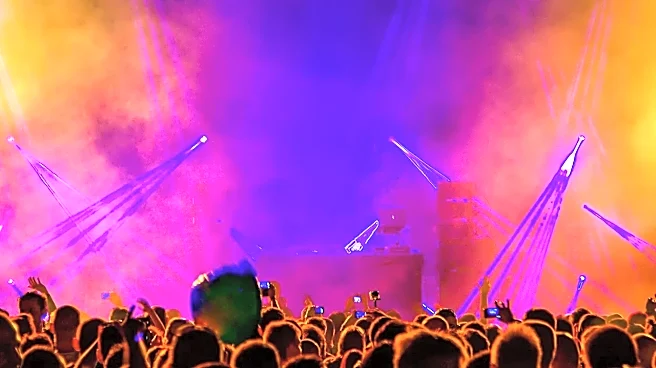
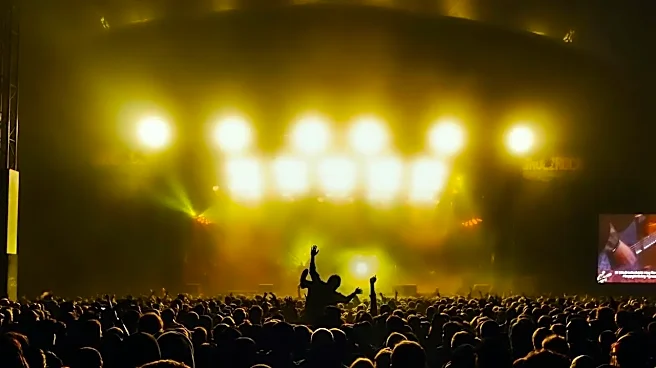
Before a single note is played, the modern music festival creates an environment ripe for unity. Unlike a typical concert catering to a specific fanbase, major festivals are sprawling, multi-stage affairs that attract a diverse coalition of music lovers.
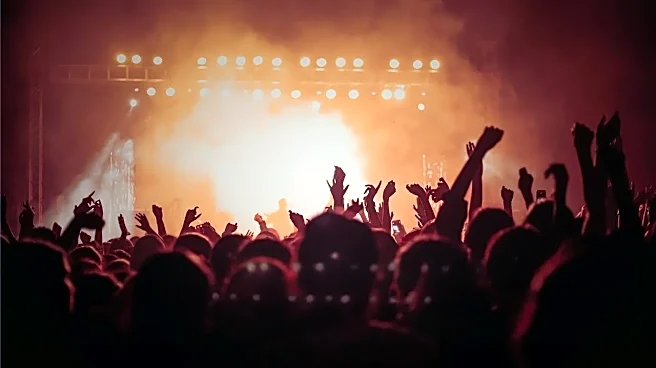
For a few days, the normal social barriers of taste, scene, and style become porous. This shared space fosters what sociologists call “collective effervescence”—a feeling of intense shared identity and emotional energy that emerges from group rituals. Stripped of daily routines and surrounded by people choosing joy, the crowd becomes a temporary community, primed for a shared experience that transcends individual preference. The very act of being there, enduring the same sun and navigating the same crowds, creates a powerful social glue.
Anatomy of a Universal Anthem
Not every hit song can become a cross-genre singalong. These anthems share a specific DNA. Musically, they often feature a simple, infectious melody and a structure that builds tension before a massive, cathartic release. Think of the iconic opening riff of The Killers' "Mr. Brightside," a song that practically commands a full-throated chant from the very first note. Lyrically, these songs tap into universal themes: love, heartbreak, defiance, or nostalgia. The words are often straightforward and repetitive, making them easy to learn and shout back, even if you only vaguely know them. A song like Neil Diamond's "Sweet Caroline," a soft-rock hit from 1969, has become a global sporting and festival anthem largely because its chorus is simple, joyful, and invites participation with its famous "ba, ba, ba!" hook.
The Overwhelming Power of Nostalgia
Many of these genre-busting moments come from songs that are decades old. Queen's “Bohemian Rhapsody” is a prime example. Well before Green Day even takes the stage, tens of thousands of fans—many of whom weren't born when the song was released—will spontaneously perform a full, six-minute operatic rock piece in perfect unison. The song is no longer just a Queen hit; it's a piece of shared cultural furniture. This happens because the song has transcended its original context. It's been in movies, on radio stations of every format, and passed down through generations. Singing it together isn't just about enjoying a song; it's about participating in a collective memory, a ritual that connects the present moment to a shared, almost mythic, past.
It's Not Your Genre, It's Our Song
In the heat of the moment, when thousands of voices join as one, a song's original genre becomes irrelevant. When a metal band like Metallica plays their cover of the Irish folk song "Whiskey in the Jar" at a castle in Ireland, it's not just a metal song anymore; it's a celebration of national pride. The song is adopted by the crowd and transformed. Its purpose shifts from personal enjoyment to collective expression. The Killers may be an American indie rock band, but in the UK, "Mr. Brightside" functions as something closer to a national anthem at pubs, weddings, and festivals. The song's success lies in its ability to be a vessel for whatever emotion the crowd pours into it—joy, frustration, or pure, unadulterated energy. It becomes folk music for the night, belonging to everyone who sings it.