


A Genre Built on Narrative
Before you can understand the album’s significance, you have to understand Americana itself. It’s less a strict genre and more of a musical philosophy. It’s a rich tapestry woven from the threads of American roots traditions: folk, country, blues, R&B,
and rock. What binds these disparate sounds together is an unwavering commitment to storytelling. An Americana song often functions like a short story, introducing characters, establishing a sense of place, and exploring complex emotions that can’t be summed up in a simple hook. Artists from foundational figures like Bob Dylan and The Band to modern mainstays like Brandi Carlile and Jason Isbell have built their careers on this principle. The genre thrives on authenticity and lyrical depth, creating a space for artists who operate outside the polished, radio-driven formulas of mainstream pop and country. It’s music that asks for a listener’s attention, rewarding it with narratives that linger long after the song has ended.
The Album as a Complete World
If a single song is a short story, then an Americana album is a novel. It’s a complete, immersive world that an artist invites a listener into. The format provides the necessary canvas for the genre’s ambitious storytelling. Artists can build a cohesive mood, explore a central theme from multiple angles, and create a narrative arc that unfolds across 10 or 12 tracks. Listening to a great Americana record from start to finish is a journey. The sequencing of the songs matters, creating a deliberate emotional or narrative flow that a shuffled playlist completely dismantles. This tradition dates back to the format’s godparents. The Band’s self-titled 1969 album didn’t just contain classic songs; it created a mythic version of America steeped in history and folklore. That legacy continues today. An album gives an artist room to breathe—to include the quiet, atmospheric track that sets a scene, the barn-burner that raises the stakes, and the somber ballad that delivers the emotional payoff.
A Quiet Rebellion Against the Algorithm
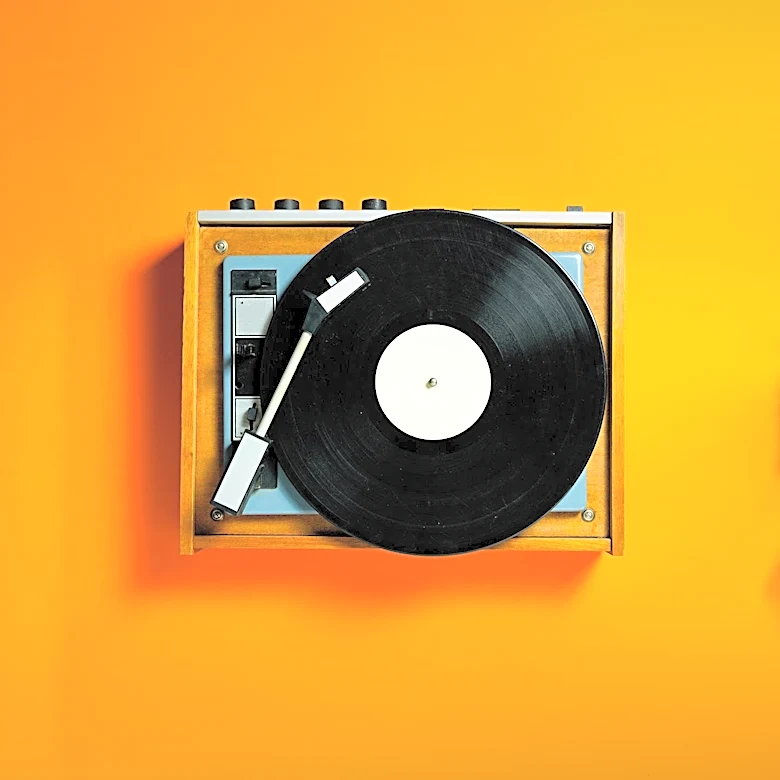
In the streaming era, music consumption is often passive and fragmented. Algorithms are designed to serve up an endless stream of individual tracks, prioritizing engagement over artistic intent. The Americana fan’s devotion to the album is a quiet act of rebellion against this model. It represents a conscious choice to engage with music on a deeper level. It’s a commitment to an artist’s vision, a willingness to set aside 45 minutes to listen without distraction. This philosophy is embedded in the genre’s infrastructure. For years, the primary Americana radio chart was based on album plays, not singles, a clear indicator of what the community values most. While mainstream country radio often favors songs under three-and-a-half minutes, Americana has long been a haven for the four-minute-plus track with an extended guitar solo or an extra verse of storytelling. By championing the album, fans and artists are preserving a space for long-form art in a short-form world.
The Awards Show Confirms the Value
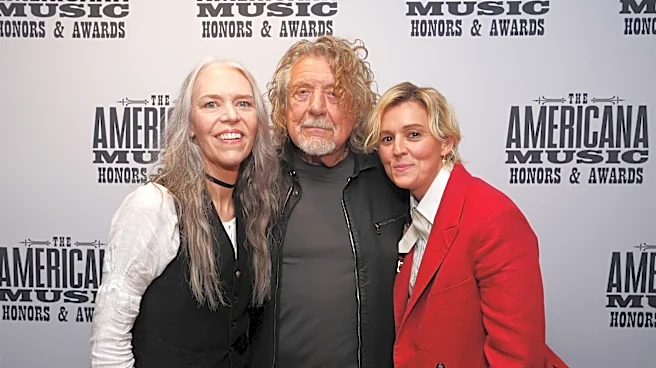
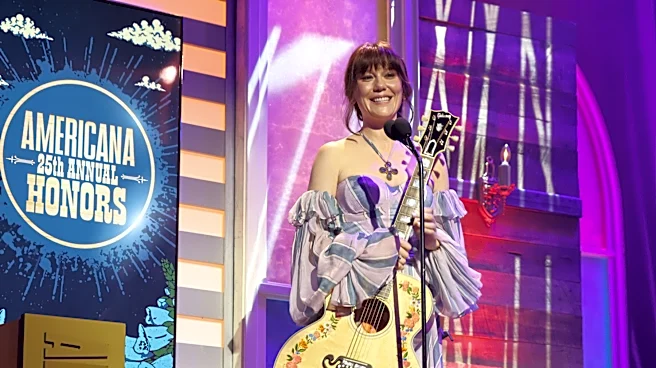
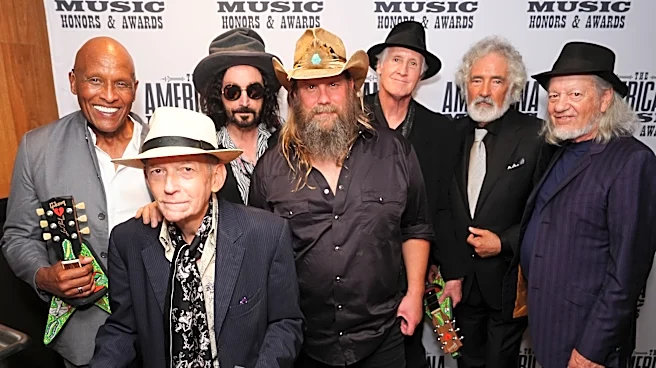
The annual Americana Honors & Awards ceremony serves as a yearly confirmation of these values. Awarding an Album of the Year isn’t just a formality; it’s a mission statement. By celebrating Tyler Childers’ Snipe Hunter, the association elevates the entire body of work—the production, the songwriting, and the cohesive vision. The same ceremony celebrated Molly Tuttle as Artist of the Year and gave Brandi Carlile the nod for Song of the Year, recognizing artists known for their substantive, album-oriented careers. These awards reflect a listening culture that values the slow burn over the instant gratification. It’s a community that understands that the most rewarding artistic experiences often demand a little more from the listener. They know that a great album, like a great book, isn’t just something you consume; it’s something you live with.