
1. Master the V-Neck Drop
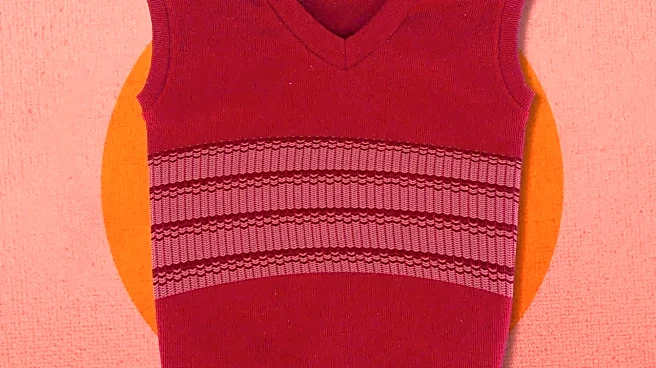
The V-neck is the defining feature of a classic tennis vest, and its depth is crucial. A V that’s too high will awkwardly crowd the collar of a button-down shirt, while one that’s too deep can look sloppy
over a t-shirt. The sweet spot allows the points of a shirt collar to sit neatly within the frame without disappearing. Before you buy, visualize it with your go-to layers. A well-proportioned V-neck frames your shirt and tie perfectly for a polished look or shows just the right amount of crewneck for a casual weekend vibe.
2. Assess the Armhole Architecture
Properly sized armholes are the secret to a comfortable, well-fitting vest. If they’re too tight, they’ll unpleasantly bunch the sleeves of the shirt underneath, restricting movement and creating a rumpled look. If they’re too loose or cut too low, the vest will look like a holdover from a ‘90s sitcom. The ideal armhole is large enough to accommodate a shirt sleeve without binding but high enough to look sharp and intentional. When trying one on, move your arms around. You want freedom of movement without sacrificing a clean silhouette.
3. Scrutinize the Fabric Foundation
The material of your vest determines its warmth, breathability, and drape. Wool, including merino, is a classic choice, offering excellent insulation and structure, making it ideal for cooler weather. Cotton is a more breathable, lighter alternative perfect for spring days or as a sporty, casual layer. Cashmere offers luxurious softness and warmth without the weight, but requires more delicate care. Synthetic blends can offer durability and affordability but may not breathe as well. Choose the fabric that best suits your climate and how you intend to wear the vest most often.
4. Check the Overall Length and Hem
The bottom hem of the sweater vest should land right around your hip bones or the belt line. A vest that’s too long will bunch up when you sit down and can visually shorten your legs. A cropped style can be a deliberate fashion choice but is less traditional for classic preppy layering. The ribbed hem should have enough structure to sit flat without being too tight or too loose. This length is versatile, looking just as good untucked over chinos as it does with the front slightly tucked into higher-waisted trousers for a more modern silhouette.
5. Determine the Right Body Fit
A sweater vest should skim your body, not cling to it or swallow it whole. When layering, you want a fit that’s close enough to look tailored but with enough room to comfortably fit a shirt underneath without pulling. If you see stretch lines across the chest or back, it’s too tight. Conversely, if there's excessive fabric hanging at your sides, it will create unwanted bulk under a blazer or jacket. The goal is a clean line that adds warmth and a pop of color to your core without adding mass.
6. Test the Trim's Versatility
The signature striped trim on the V-neck, armholes, and hem is what gives a tennis vest its sporty heritage. While a classic navy and red on cream is timeless, consider the colors in your existing wardrobe. Will the trim colors clash with your favorite shirts and trousers? Opting for a vest with more subdued or classic trim colors—like navy, burgundy, or forest green—will give you far more layering options than one with trendy neon stripes. The trim should be a versatile accent, not a limiting factor.
7. Consider the Knit's Character
Finally, look at the knit itself. Is it a classic cable knit or a simpler, flatter knit? A cable knit adds rich texture and a traditional, slightly bulkier feel that is perfect for a more rugged, academic look. It stands up well on its own as a statement piece. A flat or jersey knit is sleeker, less bulky, and layers more smoothly under a sport coat or blazer. Neither is better than the other, but they serve different stylistic purposes. For maximum layering potential under tailored jackets, a flat knit is often the more practical choice.