

A Symbol of Highland Rebellion
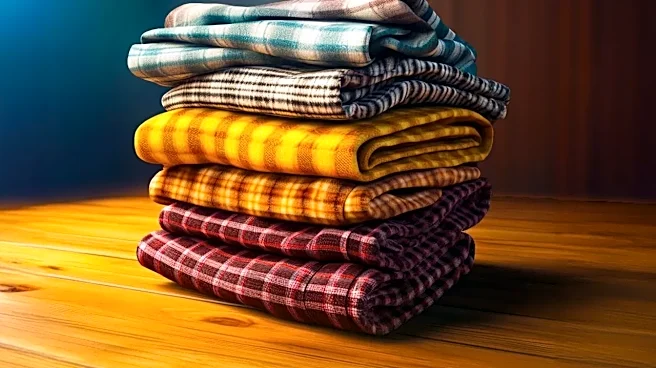
Before it was a fashion statement, tartan was the signature of Scottish Highland clans. The specific patterns, or setts, originally developed based on local weavers and the natural dyes available in their region. For centuries, this fabric was everyday
wear for Highlanders, a practical and potent symbol of kinship. This connection became so strong that after the Jacobite rising of 1745, the British government passed the Dress Act of 1746. This law banned the wearing of tartan by civilian men in an attempt to crush the clan system. Paradoxically, the act of prohibition only strengthened tartan’s power. Banning it transformed the cloth from a regional garment into an enduring symbol of Scottish identity and defiance.
From Outlawed to Royal
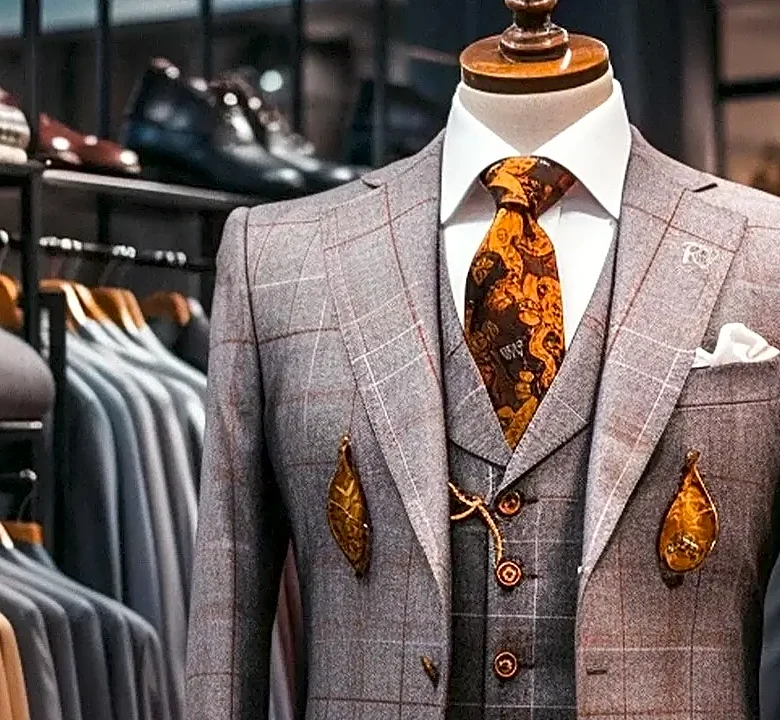
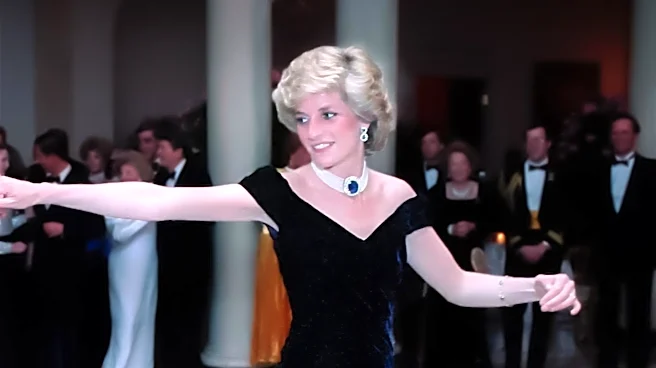
After the ban was repealed in 1782, tartan began a remarkable journey from the Highlands to the heart of the establishment. The ultimate rebranding came courtesy of Queen Victoria and Prince Albert. Deeply enchanted with a romanticized vision of Scotland, they purchased the Balmoral estate in the mid-19th century and made it their Highland getaway. Prince Albert even designed the exclusive Balmoral tartan around 1853, its grey tones inspired by the Aberdeenshire granite. Suddenly, the fabric of rebels was the favorite of the monarchy. Victoria's embrace of tartans, particularly the Royal Stewart, made it phenomenally fashionable across Britain and beyond, cementing it as a key part of the aristocratic wardrobe.
The Punk Rock Uniform
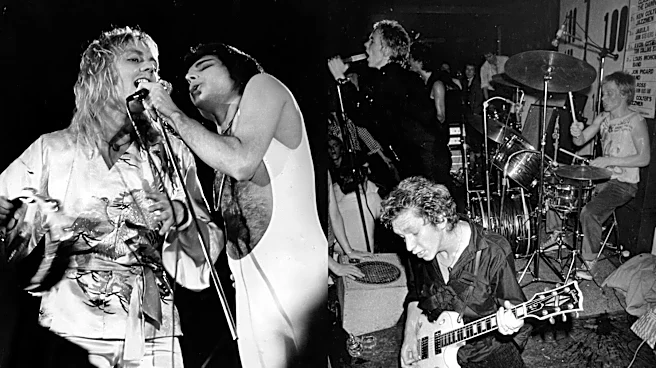
For much of the 20th century, tartan settled into a comfortable role, associated with royal tradition, cozy blankets, and preppy style. But in the 1970s, it was violently yanked back to its rebellious roots. Designer Vivienne Westwood, the architect of punk fashion, seized on tartan as the perfect anti-establishment symbol. Along with her partner Malcolm McLaren, she took traditional tartans, ripped them, and adorned them with safety pins and provocative graphics for their London shop, SEX. Worn by bands like the Sex Pistols, tartan became the unofficial uniform of the punk movement—a deliberate, snarling rejection of the very aristocratic and mainstream values it had come to represent.
High Fashion's Enduring Muse
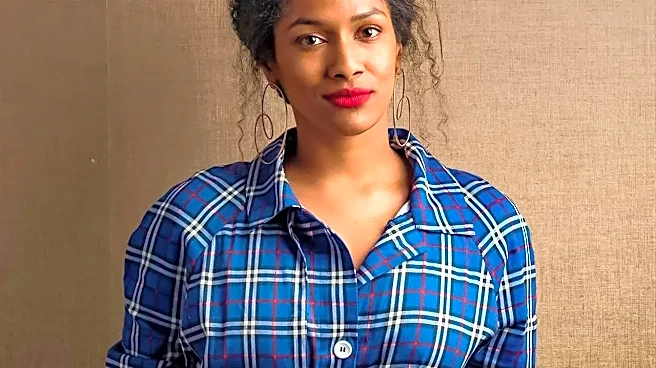
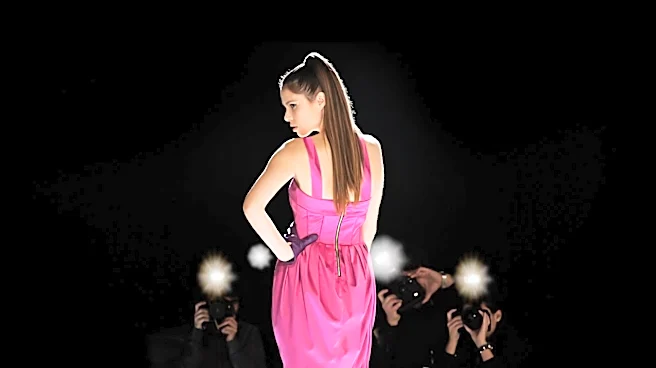
Having been claimed by both punks and princes, tartan proved its unique versatility. This duality has made it an irresistible muse for generations of British designers. The most famous tartan in modern luxury is arguably the Burberry check, first introduced as a trench coat lining in the 1920s before becoming a global status symbol in its own right. On the couture stage, designers like the late Alexander McQueen consistently used tartan to explore his own Scottish heritage and the nation’s turbulent history, creating powerful, often confrontational, collections like 'Highland Rape' and 'Widows of Culloden'. These designers treat tartan not just as a pattern but as a narrative medium, loaded with historical and emotional weight.