





One Shot to Make an Impression
The most fundamental rule that sets the guest-acting categories apart is the submission: an actor's entire nomination hangs on their performance in a single episode. Unlike lead or supporting actors, who are judged on a body of work across a season, a guest star
must deliver a knockout performance in a limited amount of screen time. This transforms the nature of the performance itself. It’s not about a slow-burn character arc; it’s about creating a memorable, impactful character in one fell swoop. A well-chosen episode can make or break a campaign, forcing performers and their teams to be incredibly strategic about which installment best showcases their talent.
The A-List Pop-In vs. The Character Actor
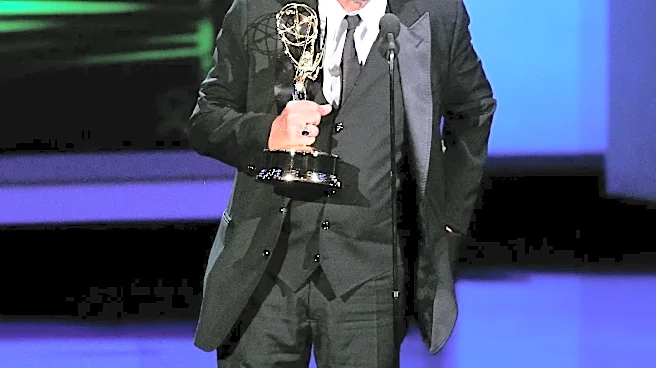
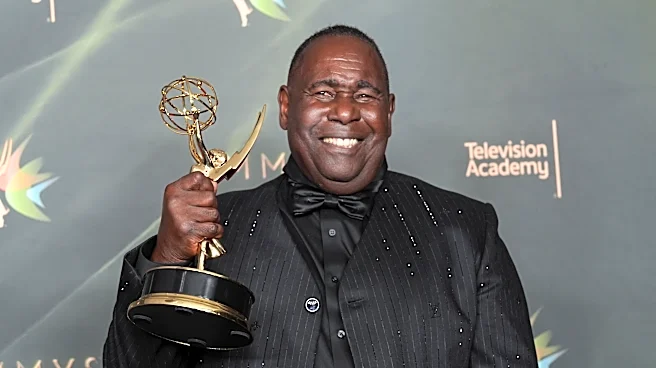
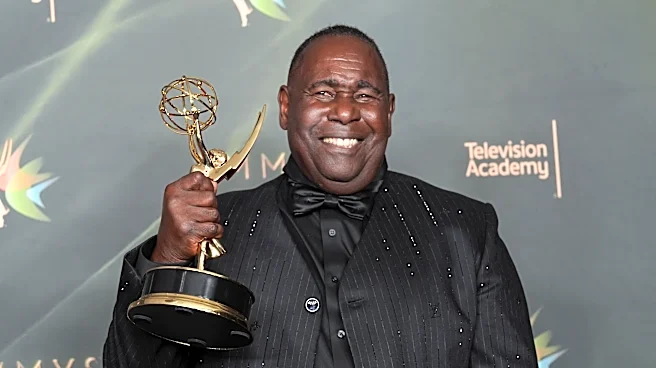
These categories are often a fascinating collision of Hollywood's elite and its most reliable character actors. It's not uncommon to see major movie stars or beloved television legends nominated for a one-off appearance. For the 2026 Emmys, names like Shailene Woodley, nominated for "Paradise," and Jonathan Pryce for "Slow Horses," bring cinematic weight to the race.. In the comedy categories, Jamie Lee Curtis was nominated for her role in "The Bear.". These high-profile drop-ins compete against veteran actors who have spent careers delivering memorable smaller roles. For example, Ernest Harden Jr. took home the 2026 Emmy for his guest role in the drama "The Pitt," a win for a career character actor.. This creates a unique dynamic where name recognition battles against years of dedicated, under-the-radar work.
A Chance for a Sentimental Win
Voters in the Television Academy often use the guest categories to reward actors for a lifetime of work, honor a beloved performer who has never won, or celebrate a character's poignant return. This was seen with the posthumous award for the late Rob Reiner for his appearance in "The Bear.". These wins often feel more about the narrative than the performance itself. They can be a way to finally give a respected veteran their due, providing some of the most emotional and satisfying moments of the awards season. This sentimentality adds an unpredictable layer to the race that is less prevalent in the main acting fields, where season-long performance quality is more heavily scrutinized.
Navigating the Rules
The definition of a "guest" has been a long-running source of debate and rule changes for the Television Academy. Historically, the rules were loose, leading to situations where actors appearing in a whole season could win a guest Emmy.. The Academy has since tightened its regulations. To be eligible, an actor must appear in less than 50% of a season's episodes. More recently, another rule was added: if a performer was previously nominated in a lead or supporting category for a role, they can no longer be nominated as a guest for that same role in a later season.. This prevents actors like Claire Foy from "The Crown" or Ron Cephas Jones from "This Is Us" from winning guest awards for returning to roles that had already earned them mainline acting nominations.. These regulations force studios to think carefully about how they classify and campaign for their talent, adding another layer to the strategic game.