



It Starts with a Neutral Palette
The foundation of the Scandinavian look is a disciplined color palette. Instead of chasing every bright new hue, the style set in Copenhagen builds their wardrobes around a core of black, white, beige, grey, and other muted, earthy tones. This isn't about
being boring; it's strategic. A neutral base ensures that every piece in your wardrobe can be mixed and matched effortlessly. This approach allows the focus to shift from color to other, more subtle details like fabric and silhouette, which inherently read as more sophisticated. A tonal outfit, where you layer different shades of the same color, is a classic Scandi move that looks instantly polished and intentional.
They Master Proportions and Silhouettes
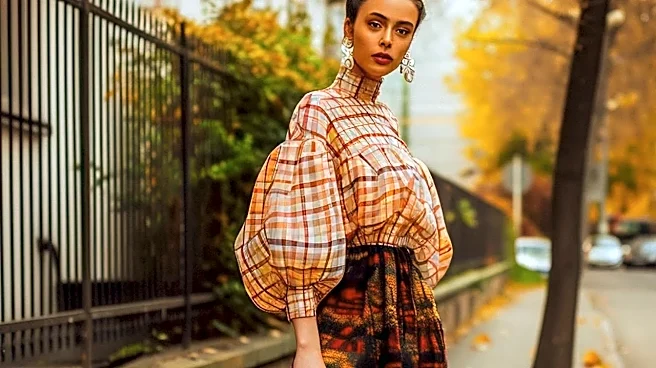
A key difference between a basic outfit and an expensive-looking one is the play on proportions. Scandinavian style often features relaxed, slightly oversized fits rather than tight or constricting ones. Think of a crisp, oversized button-down shirt half-tucked into straight-leg jeans, or a voluminous coat thrown over a simple knit dress. This deliberate choice creates a sense of ease and confidence. The style blurs the lines between masculine and feminine, using clean lines and looser cuts to create looks that feel both modern and timeless. It’s not about hiding your shape, but about creating a more interesting and dynamic silhouette that commands attention.
Layering Is a Deliberate Art Form
In a region known for its unpredictable weather, layering is a practical necessity, but in Copenhagen, it's elevated to an art. It's about more than just piling on clothes for warmth; it's about creating depth and texture. You might see a thin turtleneck under a crewneck sweater, a blazer layered over a hoodie, or even a sheer skirt worn over tailored trousers. The layers look intentional, not bulky. Recent street style has even featured sweaters tied artfully around the waist or slung over the shoulders, used as an accessory rather than just a garment. This thoughtful approach to layering adds complexity and a bespoke feel to even the simplest of outfits.
Texture and Quality Come First
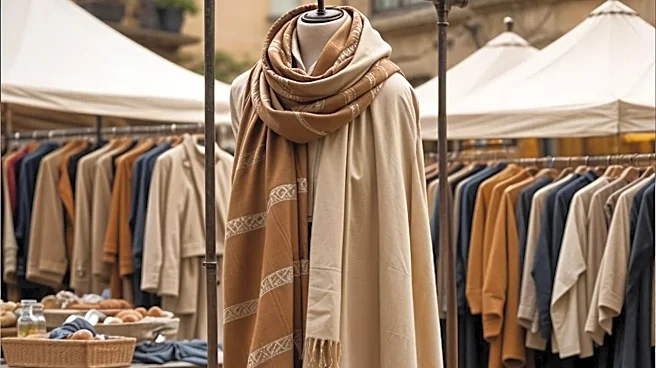
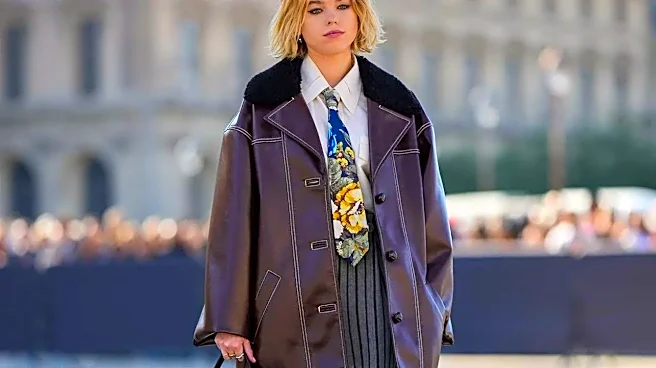
When your color palette is simple, the texture of your clothes does the talking. This is where the “expensive” feeling truly comes from. Scandinavian style prioritizes high-quality, natural fabrics like wool, cotton, linen, and silk. An outfit combining a chunky wool knit, a sleek silk skirt, and a leather accessory feels luxurious because of the tactile contrast. One major trend seen at recent fashion weeks is the combination of soft lace with tough leather, creating a perfect balance of hard and soft. Investing in quality fabrics means your clothes will hang better, last longer, and look more premium than their fast-fashion counterparts.
The High-Low Mix Is Essential
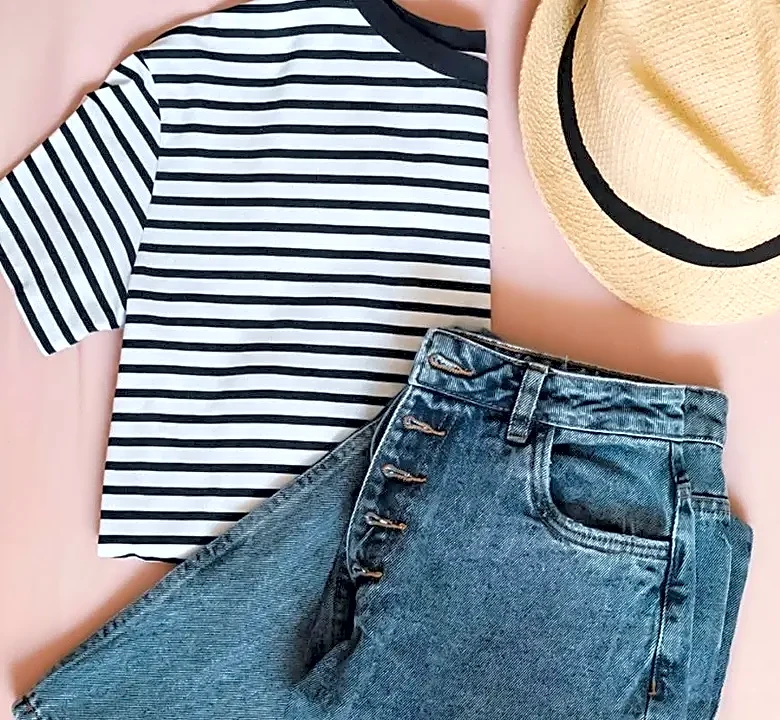
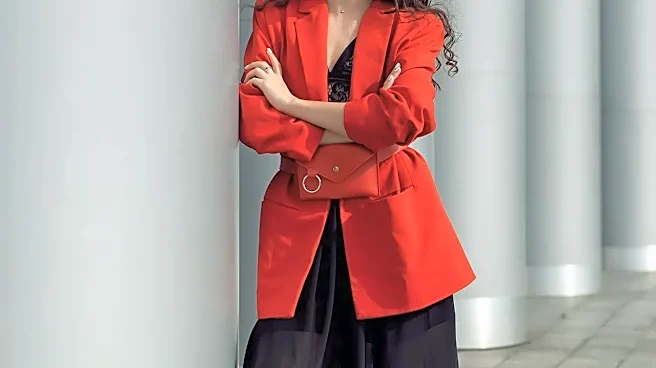
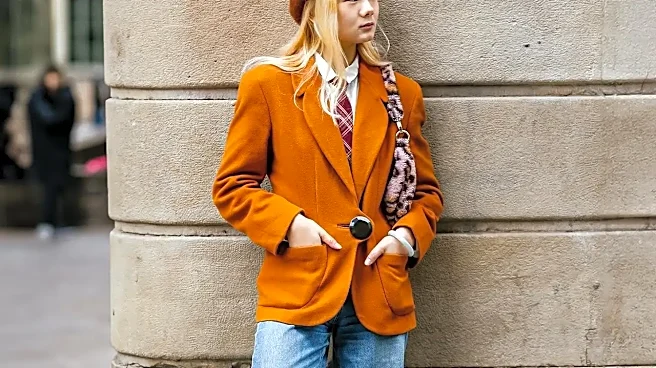
The ultimate Scandi styling trick is mastering the high-low mix—the art of pairing casual, sporty, or everyday items with more polished, tailored pieces. This could be a sharp blazer worn with a simple t-shirt and jeans, a romantic ruffled blouse paired with sporty shorts, or a delicate lace camisole peeking out from under an oversized sweatshirt. This juxtaposition is what creates that coveted sense of effortless style. It shows you know the rules of fashion but are confident enough to break them. The look is considered and put-together, but never feels overly formal or fussy.
Accessories Are Intentional, Not an Afterthought
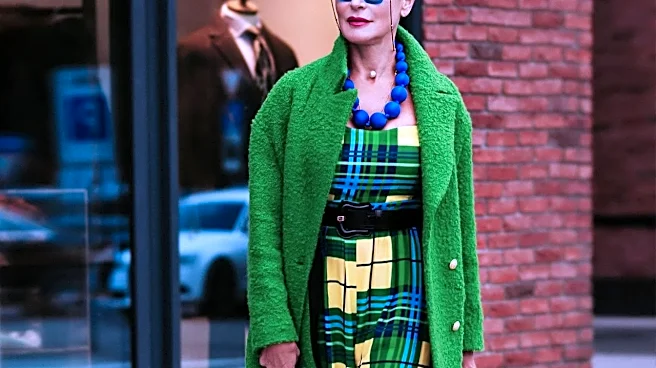
While the clothing is often minimalist, accessories are chosen with purpose to complete the look. However, the approach is still 'less is more'. You won't see an overload of flashy logos or distracting hardware. Instead, the focus is on a few key pieces: a structured handbag, a pair of sleek sunglasses, or minimalist gold or silver jewelry. Practical-yet-chic footwear is also crucial, with classic loafers, ankle boots, or clean white sneakers being popular choices. Lately, statement accessories like a bold hat or a scarf tied creatively have been used to add a single point of interest to an otherwise simple outfit.