





A Rivalry Reheated by Words
The stage was set for a classic World Cup grudge match long before kickoff. Argentina and the Netherlands share a rich, often tense, tournament history, including the 1978 final. But in 2022, Dutch manager Louis van Gaal added fuel to the fire. Confident
in his tactics, he publicly noted that Lionel Messi "doesn't participate much when the other team has the ball" and spoke of settling a score for their 2014 semifinal loss to Argentina. For an Argentine squad playing with ferocious pride in what was likely Messi's final World Cup, these weren't just tactical observations; they were fighting words. The comments simmered, setting a hostile tone for a match that was destined to boil over.
Brilliance, Brutality, and a Referee Who Lost Control
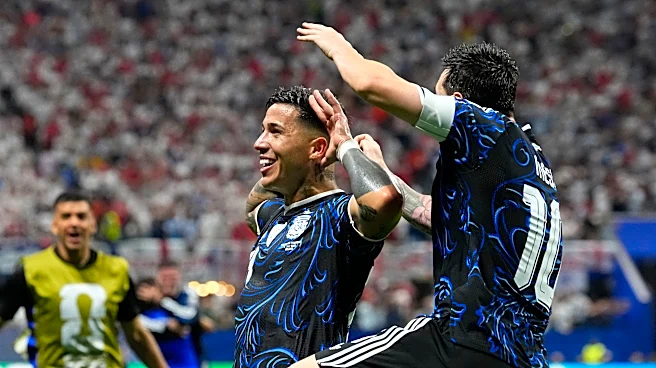
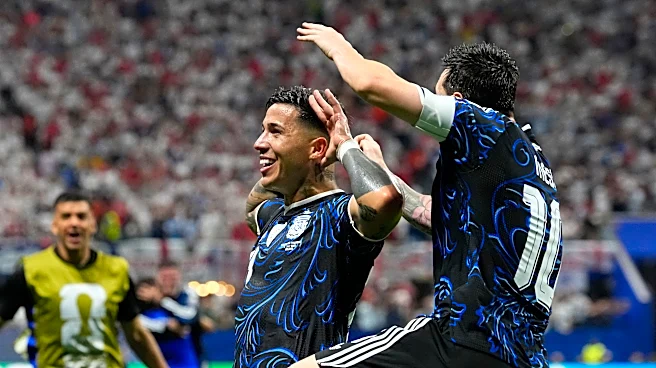
For 70 minutes, Argentina was in control. A moment of pure Messi genius saw him thread an impossible pass to Nahuel Molina for the opening goal. Later, Messi himself converted a penalty, seemingly putting the game out of reach. But the match was already descending into anarchy, largely orchestrated by Spanish referee Antonio Mateu Lahoz. He brandished a World Cup record 18 yellow cards, plus a red, losing control of the game as tempers flared. At one point, Argentina's Leandro Paredes smashed the ball directly into the Dutch bench, sparking a full-team shoving match that saw Virgil van Dijk flatten him. The referee’s erratic performance was so widely criticized that both teams, including a furious Messi, condemned his officiating post-match, and he was reportedly sent home by FIFA.
The Unthinkable Dutch Comeback
Trailing 2-0 and with time running out, Louis van Gaal initiated his 'Plan B'. He sent on his tallest strikers, Luuk de Jong and Wout Weghorst, and instructed his team to abandon their fluid passing for direct, aerial assaults. Van Gaal's logic was simple: "put on tall people and hit long balls." The tactic, while crude, was devastatingly effective. Weghorst, a substitute who had already been booked while on the bench, scored with a header in the 83rd minute. Then, in the 11th minute of stoppage time, a brilliantly disguised free-kick routine saw Weghorst steer home an equalizer, stunning Argentina and sending the match into extra time. The Dutch had clawed their way back from the dead, and the animosity reached a fever pitch.
Psychology, Gamesmanship, and Pure Spite
If the match was chaotic, the penalty shootout was psychological warfare. Argentina's goalkeeper, Emiliano 'Dibu' Martínez, cemented his legend with pure gamesmanship, using every trick to distract the Dutch penalty takers. He made two crucial saves, staring down his opponents and celebrating with raw aggression. The Dutch players weren't innocent bystanders; several of them swarmed Lautaro Martínez as he walked to the spot to take the decisive kick, attempting to intimidate him. When Lautaro scored to win it, the Argentine players didn't just celebrate—they turned and openly goaded their vanquished, devastated opponents. It was a raw, unsportsmanlike, and utterly compelling display of emotion, a final, bitter twist in a night defined by it.
An Icon of Anger: 'Qué Mirás, Bobo?'
The anger didn't end with the final whistle. In a post-match interview, an incensed Lionel Messi delivered a moment that became an instant classic. He locked eyes with Wout Weghorst off-camera and snarled, "¿Qué mirás, bobo? Andá para allá"—'What are you looking at, fool? Get lost.' This was a side of Messi the world had rarely seen: petty, street-smart, and utterly unapologetic. He had already celebrated his penalty by cupping his ears in front of Louis van Gaal, a gesture he later admitted he regretted in the heat of the moment. But the confrontation with Weghorst, born from on-field trash talk, became the enduring symbol of the match's bitterness and a rallying cry in Argentina, printed on T-shirts and mugs overnight.