




Embrace Olive Oil as Liquid Gold
Long before it became a kitchen staple, olive oil was revered by ancient Greeks as a multi-purpose beauty elixir. They used it to cleanse, moisturize, and protect their skin and hair. Rich in antioxidants like vitamin E and polyphenols, extra virgin olive oil helps
combat free radicals that contribute to premature aging. Its fatty acids provide deep hydration, leaving skin soft and improving its natural barrier. For hair, it acts as a natural conditioner, penetrating the shaft to add strength, shine, and reduce frizz. To use it correctly, you don't need to douse yourself in cooking oil. Instead, use a few drops of high-quality, cold-pressed olive oil to remove makeup, gently massage it into damp skin after a shower, or apply a small amount to the ends of your hair as a smoothing treatment.
Harness Honey for Healing
Honey was another cornerstone of ancient Greek beauty, prized for its purifying and healing properties. Modern science confirms its benefits: as a natural humectant, honey draws moisture into the skin, making it an excellent hydrator. It also possesses antibacterial and anti-inflammatory properties, which can help calm irritated skin and even spot-treat blemishes. To incorporate this into your routine, apply a thin layer of raw or Manuka honey as a 10-minute face mask before cleansing. This simple act can help brighten the complexion and leave skin feeling exceptionally soft. You can also mix it with a bit of sugar for a gentle lip scrub or combine it with yogurt for an ultra-nourishing mask.
Try a Greek Yogurt Facial
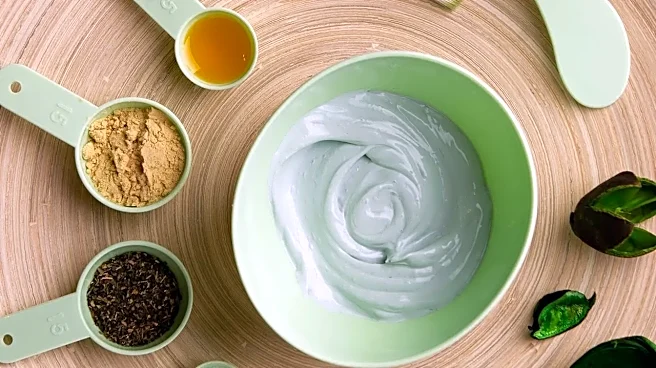
The thick, creamy texture of Greek yogurt is more than just a satisfying breakfast. It’s a powerhouse for your skin. Full-fat Greek yogurt is packed with lactic acid, a gentle alpha-hydroxy acid (AHA) that exfoliates the skin by dissolving dead cells without causing irritation. This process reveals brighter, smoother skin underneath. The probiotics in yogurt can help balance the skin's microbiome and calm inflammation, while its proteins and fats offer hydration. It’s particularly effective for soothing redness or sunburn. For a simple and effective facial, apply plain, full-fat Greek yogurt to your face, leave it on for 15-20 minutes, and rinse with lukewarm water. Your skin will feel refreshed, calm, and noticeably softer.
Use the Sea for Natural Renewal
Living by the sea, ancient Greeks understood the restorative power of salt water and minerals. Sea salt is a natural exfoliant, packed with minerals like magnesium, potassium, and calcium. A gentle salt scrub can slough off dead skin, improve circulation, and help detoxify the skin. However, doing it right means being gentle. A proper salt scrub should be used on the body, focusing on rough areas like elbows and feet, and is generally too harsh for the delicate skin on the face. To create a spa-like experience, mix fine sea salt with a carrier oil like olive or coconut oil and gently massage it onto damp skin in circular motions before rinsing thoroughly. This ritual not only smooths the skin but also helps it better absorb moisturizer afterward.
Beauty From the Inside Out
Perhaps the most important Greek beauty secret is not a product but a lifestyle: the Mediterranean diet. This way of eating, rich in fruits, vegetables, whole grains, and healthy fats from olive oil and fish, is foundational to glowing skin. These foods are packed with antioxidants that protect skin from damage, while anti-inflammatory properties can help manage conditions like acne and eczema. Omega-3 fatty acids from fish help maintain the skin's lipid barrier, keeping it hydrated and supple. This holistic approach recognizes that true radiance is a reflection of overall health. The Greek philosophy is clear: what you put in your body is just as important for your appearance as what you put on your skin.