








The Gospel of Heritage Craft
To understand Milanese design, you first have to understand the Italian reverence for 'fatto a mano'—the handmade. This isn't just a quaint tradition; it's a cultural pillar. For centuries, Italian identity has been tied to the mastery of materials: the supple
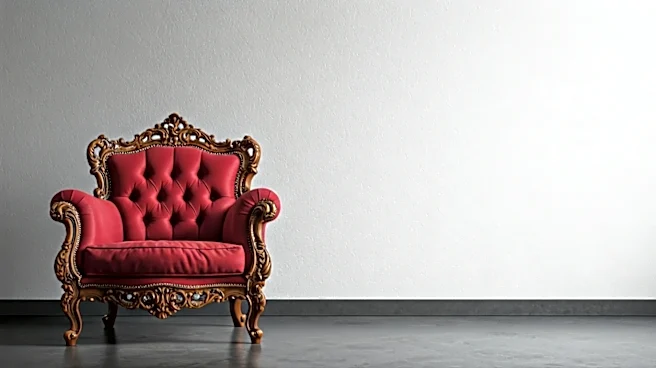
leather of Tuscany, the otherworldly glass of Murano, the cool, veined marble from Carrara. In Milan, this legacy lives in brands that feel more like dynasties. Think of Fornasetti, with its surreal, operatic porcelain, or the intricate woodworking of heritage furniture makers. These workshops champion complexity, ornamentation, and the visible touch of the human hand. The value isn't just in the object itself, but in the generations of skill required to produce it. It’s an aesthetic of addition, of glorious, unapologetic detail that tells a story of time, place, and expertise.
The Rise of Modernist Restraint
Then came the rebellion. In the mid-20th century, a new wave of Italian designers looked at all this ornate history and asked a simple question: What if we took it all away? Influenced by post-war rationalism and a desire for a new, democratic way of living, architects and designers like Achille Castiglioni and Vico Magistretti began stripping objects down to their essential function. They celebrated industrial materials and pure, geometric forms. This wasn't about a lack of ideas; it was about the intellectual rigor of reduction. This minimalist impulse is the driving force behind much of what we consider 'modern Italian design.' It’s the sleek, low-slung sofa, the single-form plastic chair, the light fixture that is nothing more than a bulb and a cord. It’s a philosophy that prizes clarity over complexity, and silence over noise.
A Tension You Can Feel
This is where the 'hidden tension' comes alive. It's most palpable during Salone del Mobile, Milan's annual design week, where the entire city becomes a showroom. You’ll walk into a 17th-century palazzo, its ceilings covered in elaborate frescoes and its floors inlaid with intricate parquet, only to find a single, brutally minimalist concrete bench sitting in the center of the room. The contrast is jarring, and it’s entirely intentional. A high-tech, algorithm-designed textile might be displayed next to a hand-carved wooden cabinet. It’s a city where heritage brands feel the pressure to collaborate with minimalist designers to stay relevant, and starkly modern brands seek out historic venues to give their work a sense of weight and soul. This isn't a comfortable coexistence; it’s a constant, provocative dialogue about what beauty means in the 21st century.
The Beautiful Synthesis
But the most interesting things in Milan happen not at the extremes, but in the middle. The true genius of modern Milanese design is its ability to synthesize these two opposing forces. It's where the tension resolves into something new and breathtaking. You see it in a brand like Cassina, which reissues minimalist masterworks but upholsters them in luxurious, richly textured fabrics that speak to a history of craft. You find it in the work of designers like Elisa Ossino or Piero Lissoni, who create profoundly simple forms but execute them in exquisite, deeply veined marble, letting the ancient material provide all the necessary ornament. In these instances, craft elevates minimalism, giving it warmth and character. And minimalism gives heritage craft a new context, saving it from becoming a museum piece. The simple form makes you appreciate the material, while the rich material makes you appreciate the purity of the form.