



The Brain of the Broadcast
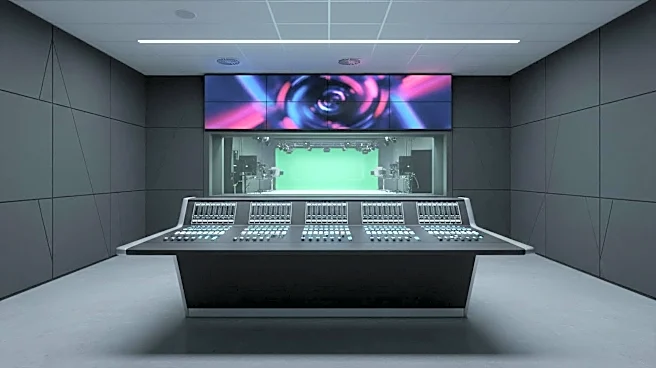
The magic behind that flawless live stream isn’t magic at all—it’s a command center, often miles away or tucked into a trailer onsite, known as a control room. This is the nervous system of the entire production. In many cases, for festivals and remote
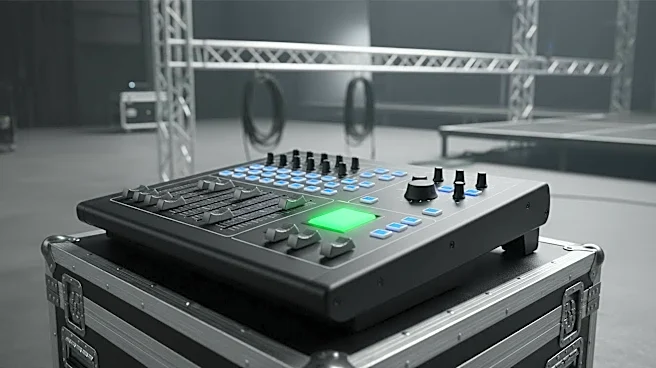
events, this isn't a permanent room but a portable solution called a “flypack.” These are essentially control rooms packed into rugged cases, designed to be shipped anywhere and set up quickly. Inside, you’ll find a wall of monitors displaying every camera feed, graphics, and the final “on-air” product. The atmosphere is a mix of intense focus and controlled chaos, a space where a dozen professionals collaborate in real-time to create a single, coherent broadcast out of hundreds of moving parts.
The Symphony of Voices
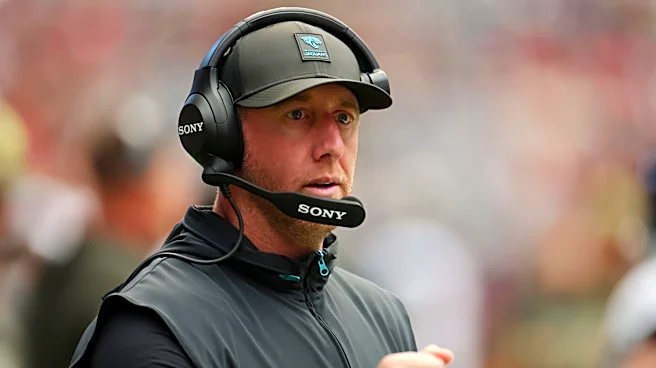
If the control room is the brain, the Director is its conscious thought, conducting an orchestra of technicians. The Director sits at the heart of the operation, calling out a constant stream of commands: “Ready camera 3… take 3! Cue the graphics. Roll package B.” They are responsible for every single thing you see on screen. Next to them is the Technical Director (TD), who physically operates the production switcher—a complex board of buttons and levers that cuts between cameras, rolls videos, and layers in graphics based on the Director's calls. The Producer acts as the show's operational manager, overseeing timing, content flow, and the overall narrative of the broadcast. Constant, clear communication through a headset system, or “coms,” is the invisible thread holding the entire production together, ensuring everyone from the camera operator on stage to the audio engineer is perfectly in sync.
An Army of Specialists
Beyond the director and TD, an army of specialists has a hand in the broadcast. The Audio Engineer, or A1, is responsible for everything you hear, mixing dozens or even hundreds of inputs from microphones, instruments, and playback sources into a clean, powerful mix. Graphics Operators prepare and deploy all the text on screen, from the artist's name to custom visual effects. And then there are the camera operators, the team’s eyes on the ground, who don't just point and shoot but actively hunt for compelling angles and moments that tell the story of the performance. In a multi-stage environment, this complexity multiplies. You don’t just have one set of roles; you have teams managing feeds from multiple locations, all flowing back to the central control room to be woven into the final broadcast.
The Invisible Technology
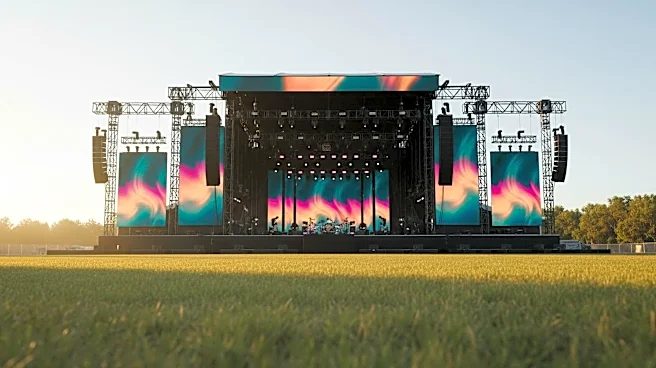
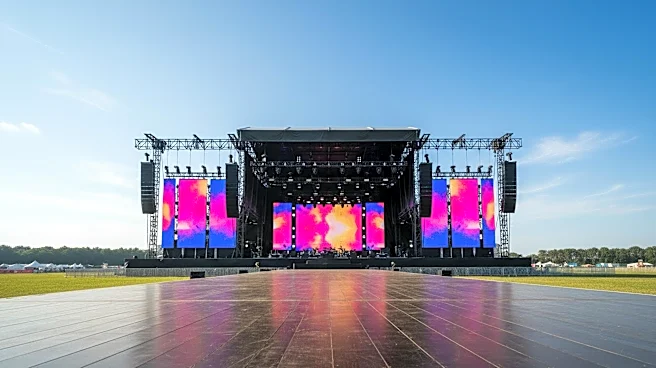
What makes this all possible today is a suite of powerful technologies. Miles of fiber optic cable might run invisibly across a festival ground, carrying massive amounts of high-resolution video data with virtually no delay. Where cables can't go, sophisticated wireless systems using bonded cellular technology ensure that mobile cameras can transmit a stable signal, even when thousands of fans are congesting the local cell network with their own phones. At the core, advanced switching and routing systems allow the Director to access any feed from any stage at any time, giving them the flexibility to jump from a wide shot at the main stage to an intimate close-up on a side stage in an instant. This technological backbone is the true, unsung hero that enables the creative vision of the production team to become a reality for viewers at home.