




In Hollywood, some things never die: killer franchises, final girls, and the box office draw of a familiar face. The recent 'Halloween' trilogy proved that even after four decades, audiences will show up for Laurie Strode and Michael Myers. But why?
The Power of the Original Final Girl
When
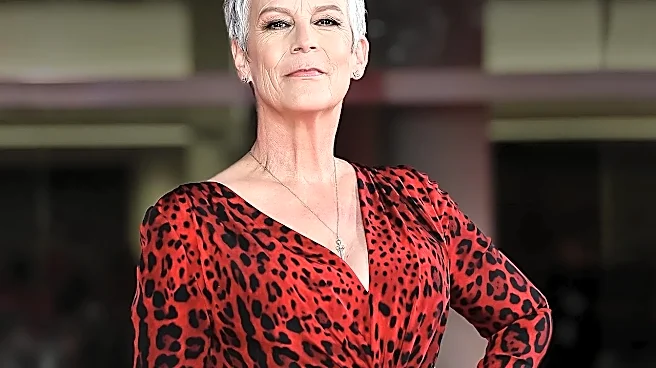
'Halloween' returned in 2018, it didn't just bring back a masked killer; it brought back Jamie Lee Curtis as Laurie Strode. This wasn't the terrified teenager from 1978. This was a hardened, prepared, and vengeful grandmother. That evolution is key. While many horror sequels simply recycle killers, the new trilogy offered something rare: long-term character development. Audiences who grew up with Laurie got to see her story continue, transforming her from a victim into a warrior. This created a powerful narrative hook that went beyond simple nostalgia. It was a multi-generational story of trauma and resilience, starring a woman over 55 in a leading role—a rarity that Curtis herself celebrated as the film broke box office records. The film's massive $76.2 million opening weekend wasn't just a win for horror; it was a testament to the audience's investment in a character they'd known for 40 years.
Nostalgia Is a Bankable Asset
Let’s talk numbers. The 2018 'Halloween' reboot, made for a lean $10 million, grossed over $255 million worldwide. The entire David Gordon Green trilogy, which also includes 'Halloween Kills' (2021) and 'Halloween Ends' (2022), collectively earned nearly $500 million. Compare that to franchise entries without Curtis. 'Halloween III: Season of the Witch' (1982), which abandoned the Michael Myers storyline, was the lowest-grossing film in the series at the time. The Rob Zombie-directed remakes, which recast everyone, saw diminishing returns with the sequel. The lesson is clear: nostalgia, when anchored by a beloved original star, isn't just a feeling; it's a formidable economic engine. Psychologically, familiar stories and characters offer a sense of comfort and stability in an uncertain world. They provide an 'emotional sanctuary,' allowing viewers to reconnect with a simpler time, making the return of a legacy character feel like a can't-miss cultural event.
It's About More Than a Reunion—It's About Closure
The promise of 'Halloween Ends' wasn't just seeing Laurie and Michael again; it was seeing them for the 'final' time. This marketing of finality is a powerful tool. For decades, the franchise's timeline was a convoluted mess of retcons and reboots. The 2018 film smartly wiped the slate clean, recognizing only the 1978 original. This gave the new trilogy a clear mission: to provide a definitive conclusion to the saga. Audiences weren't just buying a ticket to another slasher movie; they were buying a ticket to witness the end of an era. That sense of narrative closure is something a fresh-faced reboot can't offer. Viewers wanted to see the culmination of a fight 44 years in the making, and while 'Halloween Ends' received mixed reviews and had a softer box office partly due to its simultaneous streaming release, the promise of a finale was still a significant driver.
The Legacy Sequel Blueprint
'Halloween' isn't an anomaly; it's a prime example of the 'legacy sequel' trend. Look at 'Top Gun: Maverick,' which brought Tom Cruise back 36 years later and soared to a staggering $1.5 billion worldwide, becoming the highestst grossing film of his career. Or 'Creed,' which successfully passed the torch from Rocky Balboa to a new generation. These films work because they respect the original while building something new. They use the familiar face not as a crutch, but as a bridge. The returning star lends credibility and emotional weight, drawing in the old fans, while the new story and characters engage a younger audience. It's a formula that, when done right, proves far more successful than a complete reboot with an allnew cast. It honors the audience's history with the story, validating the time and emotion they've invested over the years.