





The Protégé of a Legend
You can’t tell Junya Watanabe’s story without first mentioning Rei Kawakubo, the revolutionary founder of Comme des Garçons (CDG). After graduating from Tokyo’s prestigious Bunka Fashion College in 1984, Watanabe began his career as an apprentice pattern-cutter
at CDG. It was the perfect training ground for a designer more interested in construction than fleeting trends. Under Kawakubo’s mentorship, he learned to see fashion as a blend of philosophy and experimentation. He quickly rose through the ranks, becoming chief designer for the Tricot knitwear line in 1987 before Kawakubo gave him the ultimate endorsement: his own namesake label under the CDG umbrella in 1992. This backing gave him the freedom to create without the immediate pressure of commercial appeal, a luxury that would define his entire career.
The Language of 'Techno-Couture'
From the beginning, Watanabe’s work was different. He wasn't just making clothes; he was re-engineering them. His signature became deconstruction and reconstruction—taking a familiar garment like a trench coat or a denim jacket and completely rethinking its form and function. He obsessed over synthetic and technologically advanced fabrics, earning his work the label "techno-couture." His shows were conceptual, like the Spring 2000 collection featuring reversible waterproof clothing presented against a wall of artificial rain. This approach wasn’t about creating easily digestible trends. It was an intellectual exercise, transforming the ordinary into the extraordinary through complex pattern-making, innovative draping, and a deep respect for craftsmanship. This cerebral, almost scientific process created garments that were challenging, sculptural, and utterly unique.
Cultivating the Quiet Following
Watanabe’s clothes weren’t for everyone, and that was the point. In an era before social media, his following grew organically through word of mouth among a specific tribe: architects, artists, academics, and fashion purists who craved substance over spectacle. These were people who understood the 'monozukuri'—the Japanese concept of the art and science of making things—that was central to his work. They appreciated that he was making complex, interesting objects that you could wear. He rarely gave interviews and avoided the fashion world’s social circuit, letting the clothes speak for themselves. This enigmatic persona only enhanced his appeal. Owning a Junya Watanabe piece was like being in on a secret, a nod to a shared appreciation for design integrity over loud branding.
The Tipping Point: From Cult to Canon
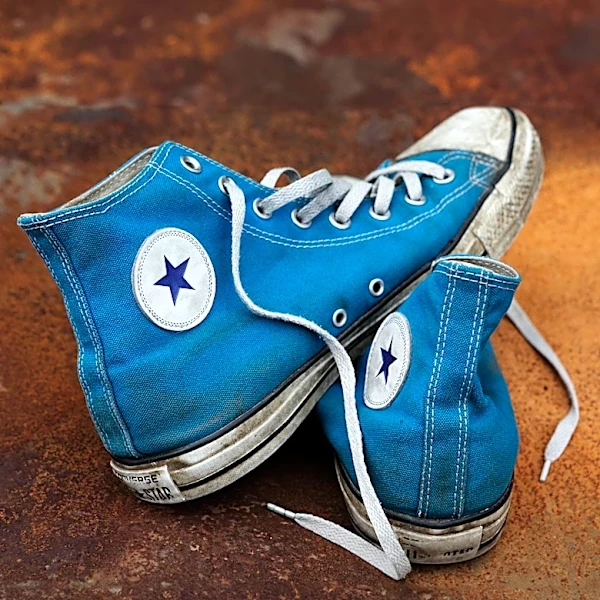
While he had a devoted base for years, the early 2000s marked a turning point. The launch of his menswear line, Junya Watanabe MAN, in 2001 brought his ideas to a new audience. His approach to menswear—grounded in classic workwear, military surplus, and Americana—was both radical and surprisingly wearable. It was here that his pioneering use of collaborations became a bridge to the mainstream. Long before it was a marketing gimmick, Watanabe partnered with heritage brands like Levi's, Carhartt, The North Face, and New Balance. He wasn't just slapping his name on their products; he was using their authentic materials and expertise to create something entirely new, merging his avant-garde vision with their timeless functionality. These collaborations introduced his name to a wider group of consumers and proved that his intellectual designs could also be incredibly cool and relevant. By the time Kanye West was name-dropping him on a track in 2021, the secret was long out—the fashion insiders had finally caught up to what the cult followers knew all along.