



Bouclé: Not Just for Chairs
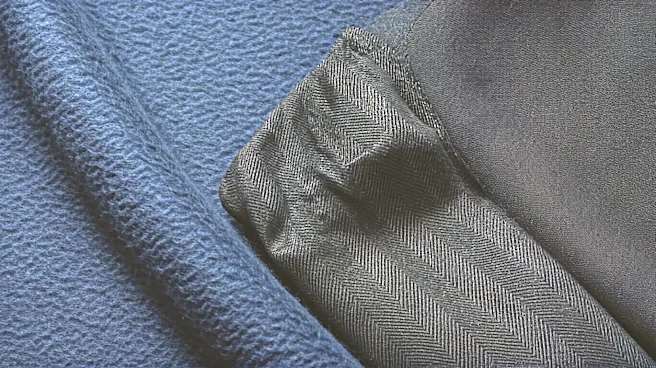
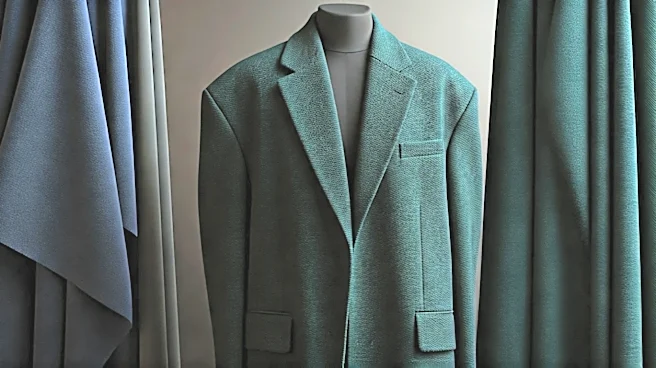
If one texture defined the recent push toward cozier, more tactile luxury, it’s bouclé. Traditionally associated with womenswear (think classic Chanel jackets) and high-end furniture, this fabric is made from looped, nubby yarn, creating a distinctive,
almost curly surface. In Paris, designers have been using it for everything from oversized chore coats to relaxed trousers. Why does it matter? Its adoption in menswear signals a shift away from stiff, formal tailoring toward a softer, more approachable form of elegance. It’s a fabric that invites touch, blurring the lines between a statement piece and your favorite blanket. When you see a bouclé garment, you’re seeing a designer prioritize comfort and sensory experience without sacrificing an ounce of opulence.
Technical Ripstop: The Luxury of Utility
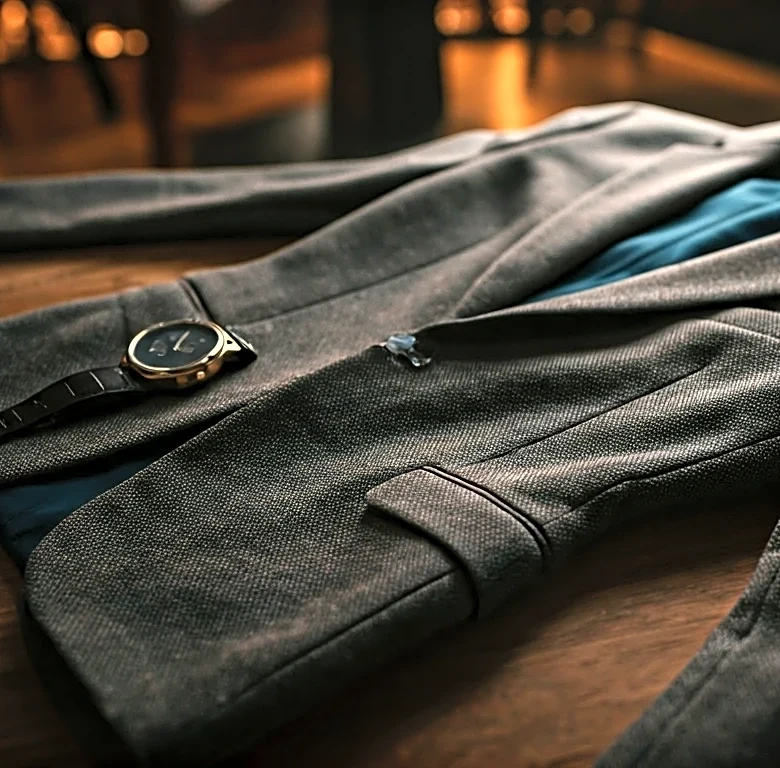
On the opposite end of the spectrum is ripstop, a fabric you’re more likely to find on a parachute or a high-performance hiking jacket. Woven with a special reinforcing technique that creates a crosshatch pattern, it’s incredibly resistant to tearing and ripping. High-fashion houses like Loewe and Dior have been elevating this utilitarian material, crafting it into impeccably cut trousers, parkas, and even blazers. Its presence on the runway is a direct nod to the “gorpcore” trend—the aesthetic appreciation of outdoor and functional gear. By rendering luxury items in ripstop, designers are asking what modern luxury even means. Is it delicate silk, or is it a material so durable it can handle anything? Knowing ripstop helps you understand this fascinating dialogue between the trail and the runway.
Seersucker: The Classic Reimagined
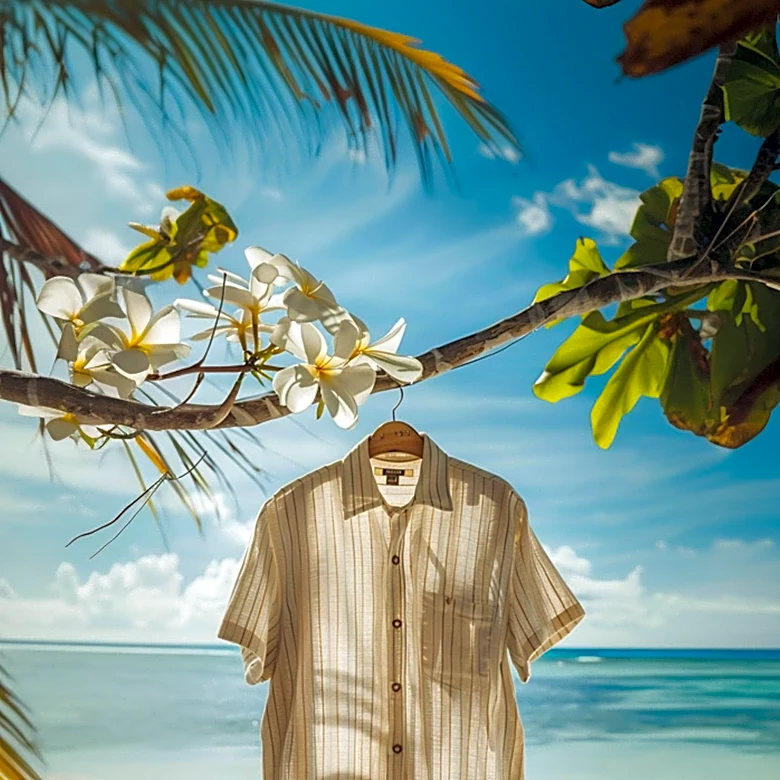
Seersucker is the quintessential summer fabric, known for the puckered texture that keeps it lifted from the skin, allowing for excellent air circulation. It’s a preppy American classic, often associated with Southern gentlemen and derby days. But in the hands of modern designers, it’s being completely deconstructed. We’re seeing it in unconventional colors beyond the standard blue-and-white stripe, and in silhouettes like wide-leg pants and minimalist shirts. The magic of seersucker lies in its distinctive weave, where some threads are woven tighter than others to create the signature crinkle. Its resurgence matters because it shows how designers are raiding the archives of menswear classics and updating them for a new generation that values both heritage and ease.
Heavyweight Twill: The Workwear Uniform
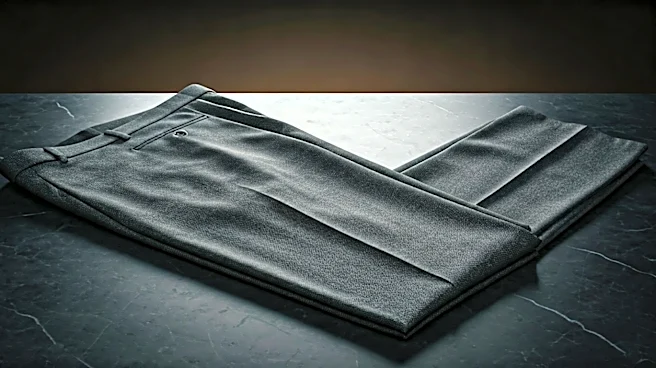
Twill is a family of fabrics characterized by a diagonal weave pattern—denim is its most famous member. In Paris, designers have been leaning into its tougher, more substantial cousins: heavyweight cotton and wool twills. Think the kind of fabric used for classic work pants or military uniforms. This isn't about fleeting trends; it's about a return to substance, durability, and garments that feel like they have a purpose. When a designer like Dries Van Noten or Ami uses a sturdy twill for a pair of trousers or a jacket, they’re creating a foundational piece. Recognizing this fabric helps you spot the difference between a trendy item and a future wardrobe staple. It’s a vote for clothes that are meant to be worn, lived in, and last for years.
Mohair: Fuzzy, Extravagant Texture
When you see a sweater on the runway that looks fuzzy, almost glowing with a soft halo, you’re likely looking at mohair. Derived from the hair of the Angora goat, this fiber is known for its incredible luster, dye-retaining properties, and fluffy texture (or “hairy” finish). It's often blended with wool or nylon to add strength and softness. In menswear, mohair is pure, unapologetic extravagance. It’s used for statement knitwear—cardigans and sweaters in vibrant, almost psychedelic patterns or bold, solid colors. It’s a fabric that’s impossible to ignore. Understanding mohair is key to appreciating the playful, gender-fluid, and slightly decadent side of modern fashion. It’s a signal that menswear isn’t afraid to be flamboyant, comfortable, and luxurious all at once.