



The Myth: Linen Is for Vacationers and Gardeners
Let’s be honest: linen has a PR problem. In the popular imagination, it’s the official uniform of retired guys on cruises and anyone who has fully given up on owning an iron. The fabric is seen as inherently sloppy. Its tendency to wrinkle is considered
a fatal flaw, a sign of carelessness that has no place in a polished, professional wardrobe. We’re taught that sharp means crisp, and crisp means wrinkle-free cotton or wool. Linen, with its breezy texture and rebellious creases, is therefore relegated to the far corners of the closet, brought out only when the heat is unbearable and social expectations are low.
The Reality Check: Florence’s Sartorial Super Bowl
Enter Pitti Uomo. For those outside the fashion bubble, it’s a biannual menswear trade show in Florence. But in reality, it’s the global epicenter of men’s style. Buyers, editors, and designers from around the world gather, and the plaza outside the main hall becomes an open-air runway. The street style photographs from Pitti dictate trends for the following year. It’s where theories of dressing are tested in the wild, under the punishing Tuscan sun. And every summer, the unofficial fabric of the event is, you guessed it, linen. But not the baggy, sad-sack version from the myth. This is linen as a power move.
How They Do It: Tailoring Is Everything
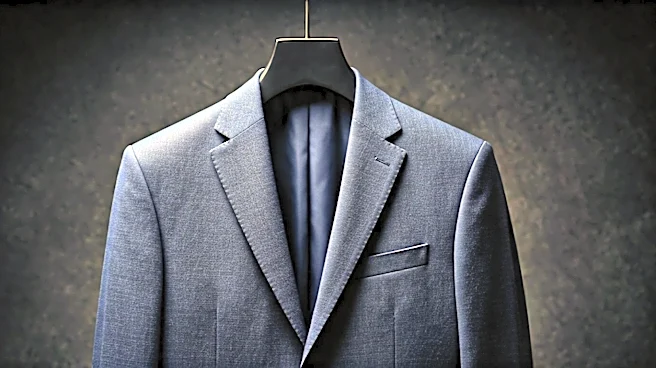
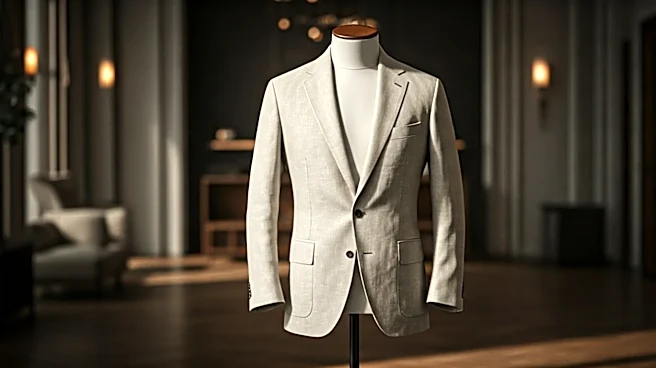
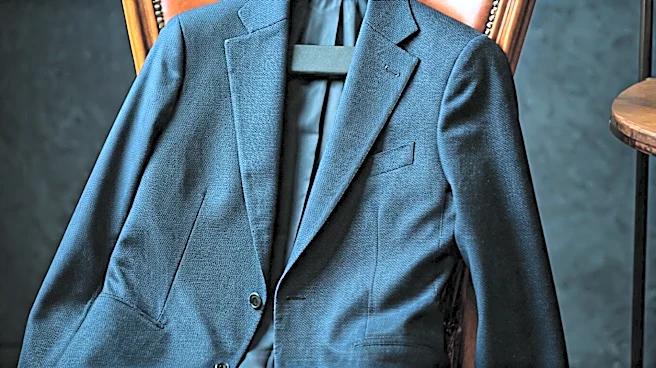
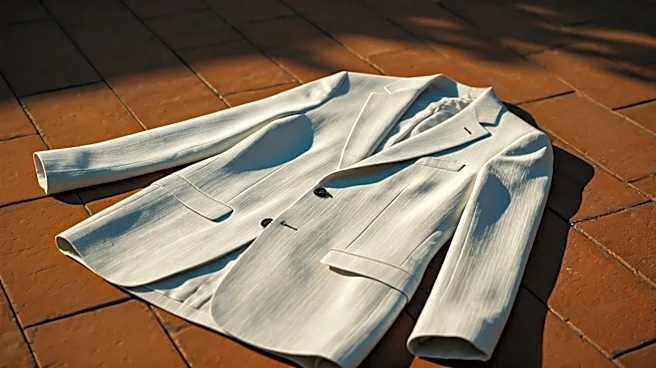
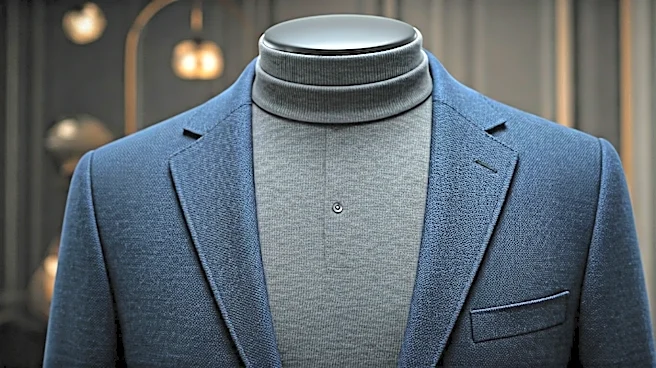
The first and most important lesson from Pitti is that linen, when tailored, is breathtakingly sharp. The attendees aren’t wearing billowy potato sacks. They’re in immaculately cut linen suits, sport coats, and trousers. A well-constructed linen blazer holds its shape, creating a strong shoulder line that counters the fabric’s natural softness. Trousers with a sharp pleat or a clean taper look intentional and sophisticated, not lazy. The key is structure. By giving linen a strong silhouette—a double-breasted closure, a peak lapel, a cuffed hem—the fabric’s texture becomes an asset, not a liability. It proves the problem isn’t the material; it’s how we’ve been using it.
Embracing the Wrinkle with ‘Sprezzatura’
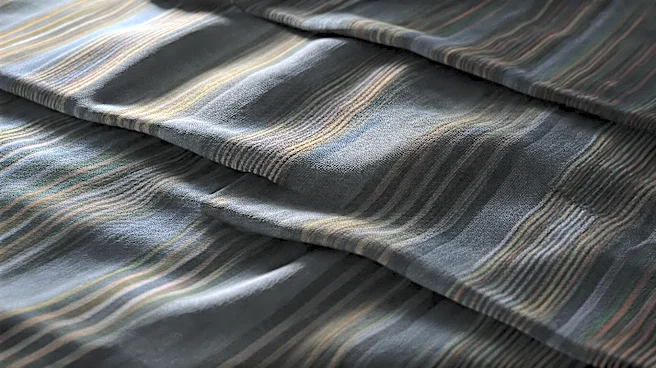
The second lesson is more philosophical. The Italians have a concept called ‘sprezzatura’—a kind of studied nonchalance or effortless elegance. It’s about looking perfect without looking like you tried too hard. And linen’s natural tendency to crease fits perfectly into this ethos. At Pitti, the wrinkles aren’t seen as a flaw to be steamed away. They are part of the charm, a sign that the clothes are being lived in. A slightly rumpled linen jacket has character; it tells a story. This confident embrace of imperfection is the ultimate style flex. It separates the men from the boys, showing a mastery of clothing that goes beyond sterile, wrinkle-free perfection.
Why This Matters Beyond Florence
This isn't just an aesthetic debate for fashion insiders. The vindication of linen at Pitti matters for the average American guy. First, it signals a move toward more comfortable, breathable, and sustainable clothing. As summers get hotter, cramming ourselves into non-porous synthetic fabrics or heavy wool makes less and less sense. Linen is a practical solution. Second, it reflects the evolution of the modern dress code. The line between formal and casual is blurring, and a well-worn linen blazer is the perfect bridge garment—it can be dressed up for a summer wedding or down with jeans. It’s versatile, modern, and, thanks to the tastemakers in Florence, undeniably cool.