






The Promise of the Perfect Life
The American suburb, particularly the cul-de-sac, was born from a promise of idyllic safety. Following World War II, developers began crafting these isolated, inward-facing communities as tranquil havens from the chaos of the city. With names like 'Court'
or 'Place', these streets were designed to be quiet, safe for children, and conducive to a tight-knit community where neighbors looked out for one another. This image of serene domesticity is precisely why horror storytellers are so drawn to it. The genre thrives on subverting expectations and corrupting the sacred. By placing terror in the heart of the American Dream, filmmakers create a powerful dissonance. The horror isn't just a monster; it's the violation of a deeply ingrained cultural ideal, making the threat feel personal and deeply unsettling.
An Architecture of Suspense
The very design of a cul-de-sac makes it a perfect natural setting for suspense. The name itself, French for 'bottom of the sack,' implies a trap. With only one way in and one way out, it creates a sense of enclosure and vulnerability. Characters can't easily escape, and help can't easily get in. The curved street means sightlines are limited; the monster could be just around the bend, unseen until it's too late. This layout fosters a feeling of isolation even among neighbors. As seen in John Carpenter's seminal 1978 film "Halloween," a character can scream for help, but the fortress-like design of modern suburban homes allows residents to simply ignore the pleas from outside. The standardized, cookie-cutter houses add to the unease, creating a disorienting landscape where one home is indistinguishable from the next, suggesting a loss of identity where evil can hide in plain sight.
A Stage for Halloween Rituals
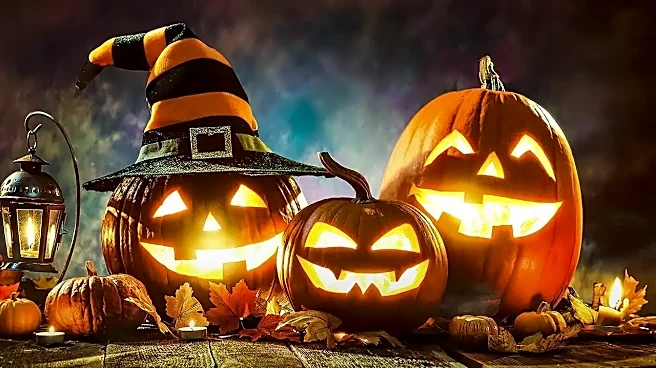
Halloween night is a time of sanctioned transgression. The ordinary rules of society are suspended: strangers come to your door, children roam the streets in costume after dark, and identities are hidden behind masks. The cul-de-sac provides a contained, almost theatrical stage for this ritual. Its enclosed nature makes it a seemingly safe environment for trick-or-treating, amplifying the shock when that safety is breached. The act of going door-to-door becomes a source of tension. Is the friendly neighbor offering candy, or is it a monster in disguise? In this setting, the holiday's playful scares can seamlessly bleed into genuine horror. The very elements that make cul-de-sacs feel neighborly—familiarity and community—are turned on their head, making the betrayal feel even more potent.
From Anytown, USA to the Upside Down
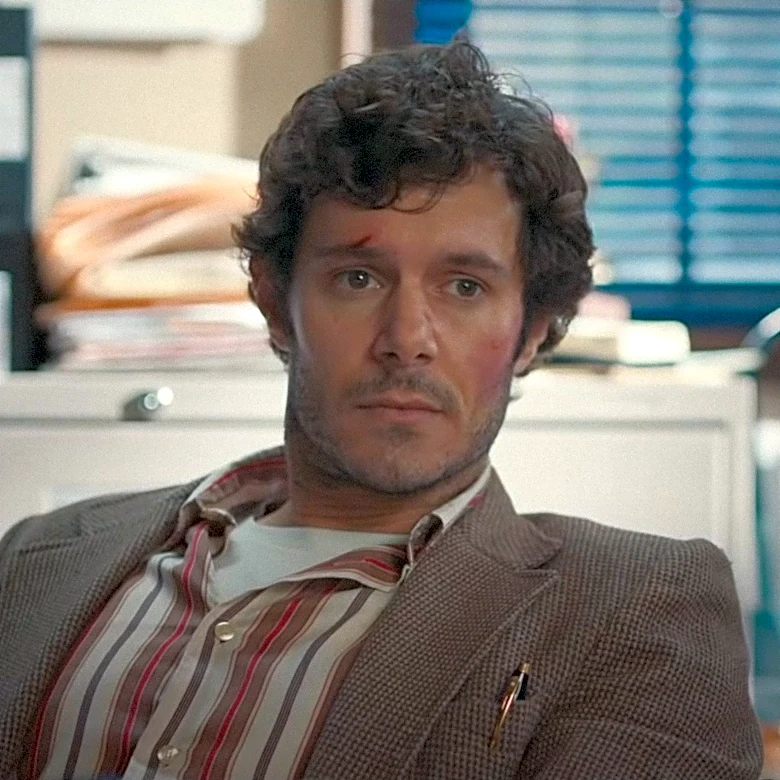
The trope was cemented in the late 1970s and 80s with films that moved horror from gothic castles to the heartland. "Halloween" established the template, presenting Haddonfield, Illinois, as a quintessential 'Anytown, USA' that could be your own backyard. This made the horror feel immediate and relatable. This tradition has continued and evolved in modern television. Series like "Stranger Things" place their supernatural battles within the familiar confines of a suburban Indiana neighborhood, using the backdrop of 80s suburbia to heighten the sense of nostalgia and subsequent disruption. The cul-de-sac serves as a visual shorthand for normalcy, a baseline against which the extraordinary and terrifying events of the plot can unfold with maximum impact. Whether it's a slasher on the loose or a portal to another dimension, the quiet, looping street remains the perfect place for the nightmare to begin.