




1. Ditch the Stiff Dress Shirt
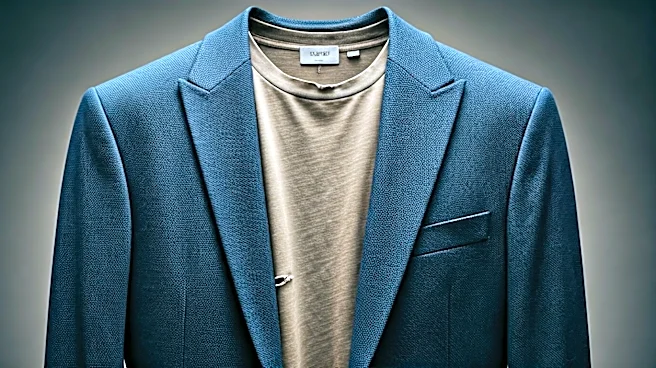
The fastest way to dress down a suit is to change what’s underneath it. The classic button-down, starched and pressed, is the foundation of traditional business attire. To instantly lower the formality, swap it for something softer. A high-quality, plain
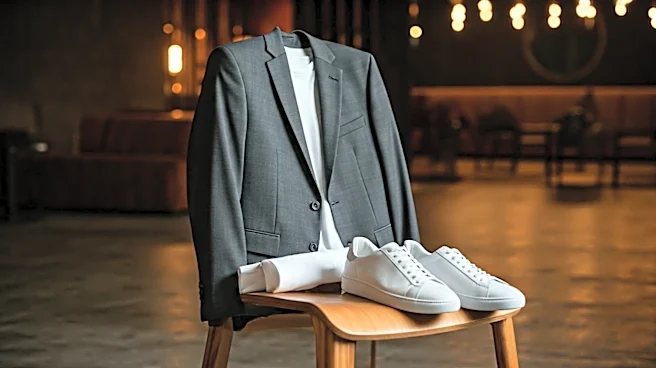
crewneck T-shirt (in white, black, gray, or navy) under a blazer creates a look that’s clean, sharp, and decidedly modern. It says you understand the rules of tailoring but choose to wear them on your own terms. In cooler weather, a fine-gauge merino wool turtleneck or a simple, well-fitting crewneck sweater achieves the same effect with an added layer of texture and sophistication. The key is fit and fabric: ensure your tee or knit is well-made and fits cleanly without bunching.
2. Break Up the Set
A full matching suit is a statement of intent—it's coordinated, purposeful, and formal. To break that formality, break up the suit. Wearing your suit jacket with a different pair of trousers (or vice-versa) is a classic move known as wearing 'separates.' This immediately makes the outfit feel more considered and less like a uniform. A navy blazer looks fantastic with gray flannel trousers, khaki chinos, or even a pair of dark, well-fitting jeans. Similarly, the trousers from your gray suit can be paired with a leather jacket or a casual bomber. This approach not only triples the versatility of your wardrobe but also signals a confident, relaxed approach to getting dressed. It's the sartorial equivalent of being able to improvise a great meal instead of just following a recipe.
3. Rethink Your Footwear
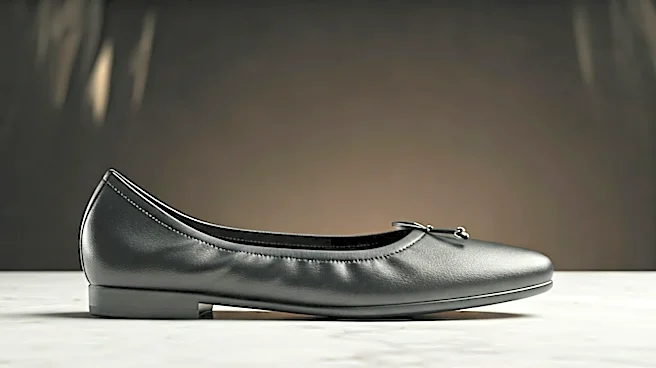
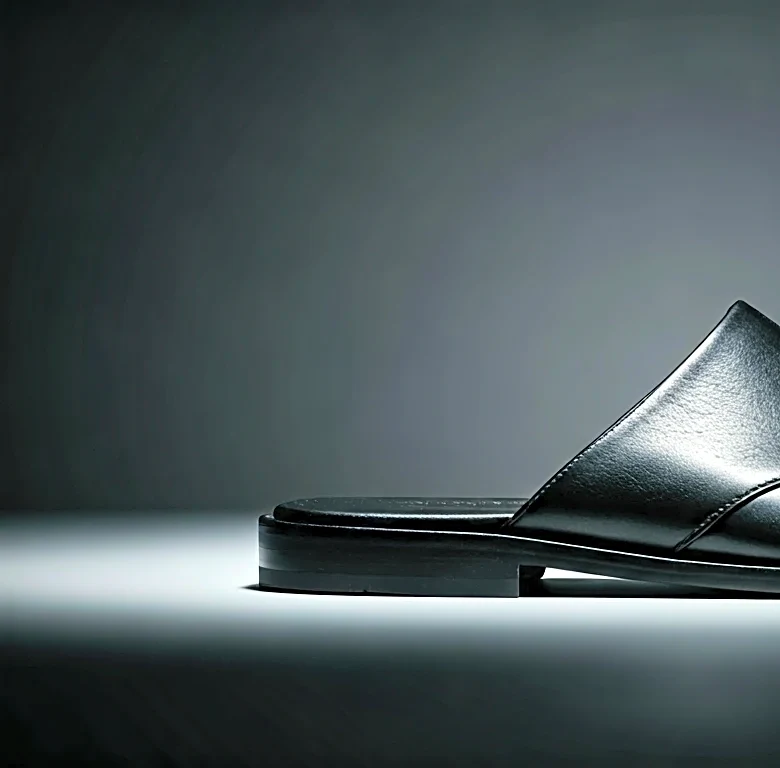
Nothing anchors a suit in formality like a pair of polished black Oxfords. To pull the entire look down to a more casual, contemporary level, start from the ground up. The most popular and effective move in recent years is pairing a suit with clean, minimalist sneakers. We’re not talking about your gym shoes. Think simple leather or canvas sneakers in a solid, neutral color like white or black. This high-low mix is no longer a fashion-insider secret; it’s a mainstream style move that bridges the gap between sharp and comfortable. If sneakers aren’t your thing, consider other casual options like suede loafers, desert boots, or classic penny loafers worn without socks. The goal is to move away from anything that looks like it belongs exclusively in a boardroom.
4. Choose Softer Silhouettes and Fabrics
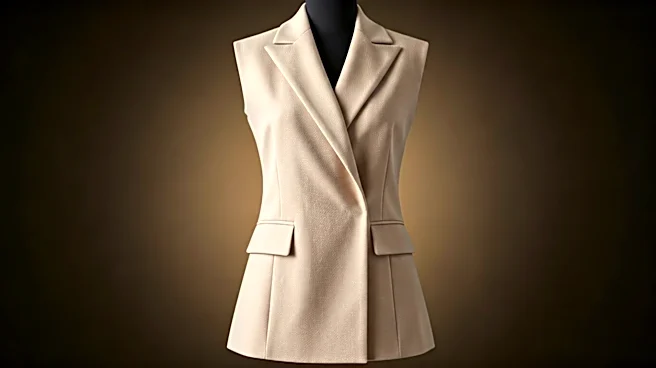
The traditional power suit is defined by its structure: padded shoulders, a stiff chest canvas, and a sharp, commanding silhouette. To look less formal, opt for suits that are deliberately 'unstructured.' These jackets have little to no padding in the shoulders and a softer construction, making them feel more like a cardigan or a heavy shirt than a piece of armor. They drape more naturally and move with your body. Fabric choice is also crucial. Instead of crisp worsted wool, look for suits in more tactile, casual materials like linen, cotton, corduroy, or textured tweed. These fabrics have a more relaxed character and wrinkle in a way that looks stylishly lived-in rather than sloppy, perfectly capturing the spirit of effortless cool.
5. Just Lose the Tie
This might be the most obvious tip, but it's foundational for a reason. For generations, the necktie has been the single most potent symbol of professional formality. Simply removing it is the first and easiest step to a more relaxed look. Going tieless with a traditional suit and dress shirt works, but to really nail it, unbutton the top one or two buttons of your shirt. This small gesture transforms the neckline from constricted and corporate to open and approachable. It's the universal signal for 'off the clock,' even if you're wearing the rest of the suit. Combine this with any of the other tips on this list, and you've effectively hacked the suit for the modern age, turning a symbol of obligation into one of choice.