










Appearance, Feel, and Purity
The most fundamental difference is their origin. Platinum is a naturally white metal, so its silvery-white color will never fade. Jewelry made from platinum is typically 95% pure, which contributes to its notable heft and density. Many people associate
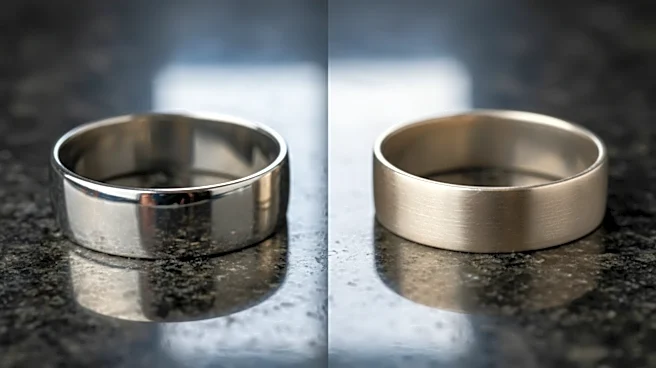
this substantial feel with luxury and quality. White gold, on the other hand, is an alloy. It starts as pure yellow gold and is mixed with white metals like palladium, silver, or nickel to achieve a lighter color. Because it retains a faint yellowish tint, virtually all white gold jewelry is coated with a thin layer of rhodium—a rare metal from the platinum family—to give it a brilliant, mirror-like white finish. This means the white gold you see isn't the metal itself, but its plating.
Durability and Long-Term Wear
How a metal ages is critical for an investment piece. Platinum is renowned for its durability. When scratched, the metal is displaced, not lost, creating a unique, soft sheen over time known as a patina. Many collectors value this finish as a sign of a well-loved heirloom. White gold is also strong, but when it gets scratched, tiny amounts of the metal can be lost. More significantly, the rhodium plating will inevitably wear away, especially on rings worn daily. This reveals the slightly yellowish gold alloy underneath. To maintain its bright white appearance, white gold requires re-plating every one to three years, depending on your lifestyle.
The Cost: Upfront vs. Lifetime
Platinum almost always has a higher initial price tag. This is due to several factors: it's rarer than gold, it's denser (so more is needed to make the same ring), and it requires more specialized skill to work with. White gold is more affordable upfront, making it a popular choice. However, the full financial picture includes maintenance. The cost of rhodium plating can range from $50 to $150 or more per session. Over the lifetime of a piece, these recurring costs can add up, narrowing the initial price gap between the two metals. For this reason, some consider platinum a better long-term value, as it requires no plating and only occasional polishing to restore its shine.
The Hypoallergenic Advantage
For those with sensitive skin, this is a major deciding factor. Because platinum jewelry is typically 95% pure and naturally inert, it is the most hypoallergenic metal choice. It's extremely unlikely to cause a skin reaction. White gold, however, can be problematic. The alloys mixed with the gold often include nickel, a common skin allergen. While the rhodium plating provides a temporary barrier, once it begins to wear off, the nickel can come into contact with the skin and cause irritation. If you have sensitive skin, platinum is the safer, worry-free option for a piece you'll wear every day.
Which Is the Better 'Investment'?
The term "investment piece" in jewelry refers less to an asset that will appreciate like a stock and more to a piece of enduring personal and monetary value. Platinum's durability means it provides the most secure setting for diamonds and other precious stones, protecting the most valuable part of the jewelry. Its resistance to wear means it can truly be a generational heirloom. While white gold can look just as beautiful, its need for consistent maintenance makes it less permanent in its original state. The choice ultimately hinges on priorities. White gold offers a high-end look for a lower initial cost, provided you are prepared for the upkeep. Platinum represents an investment in permanence, purity, and hassle-free ownership, making it the superior choice for a true forever piece.