








The Wall of Identity
The loudest instrument in the stadium is, without a doubt, the crowd. But it’s not just random noise. The sound of tens of thousands of fans is a carefully orchestrated expression of national identity. When Mexico plays, the gentle, swaying chorus of “Cielito
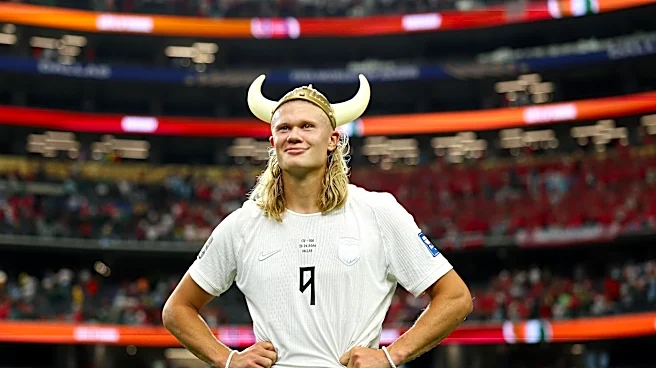
Lindo,” a folk song from 1882, can fill an 80,000-seat stadium, turning a modern sports venue into a space of deep cultural resonance. These chants are a signal of belonging, a way for fans to tell their team, and the world, “We are here.” At the 2026 tournament, Norwegian fans introduced a “Viking Longship” chant, complete with a drummer and a synchronized rowing motion that evokes their nation’s history. These aren’t just songs; they are audible flags, weaving together history, hope, and the collective heartbeat of a nation.
The Voice of History
For the millions watching at home, the sound of winning is often filtered through one person: the commentator. The right call at the right moment doesn't just describe the action; it becomes part of the memory itself. Think of Martin Tyler’s iconic, throat-shredding “AGUEROOOO!” when Manchester City won the league, a sound of pure, unadulterated shock and ecstasy. Or Victor Hugo Morales’s poetic, tear-filled description of Diego Maradona’s 1986 wonder goal as a “cosmic kite from another planet.” A great call provides the emotional punctuation a goal deserves. It elevates a moment from a simple sporting achievement into a piece of shared history, a soundbite that fans will replay in their minds for decades to come.
The Player's Primal Scream
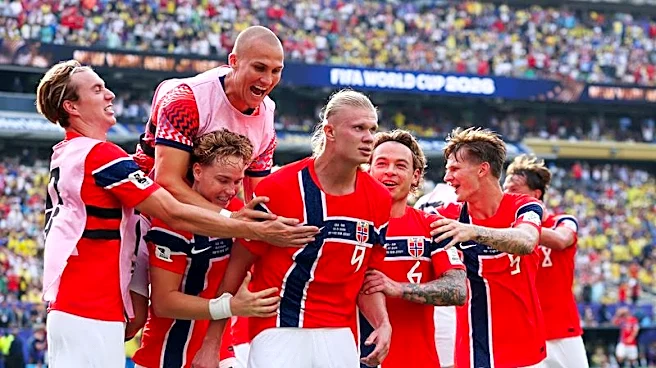
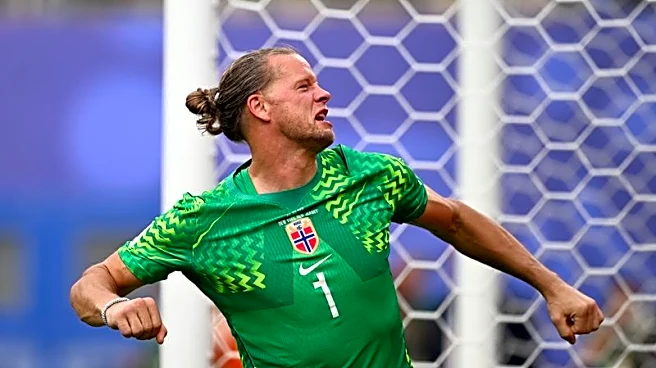
Long before choreographed dances and T-shirt messages, the sound of a goal was the scorer's own roar. It’s a primal, unfiltered burst of relief, triumph, and adrenaline. But listen closer and you’ll hear the evolution of celebration. What started as handshakes and back-pats grew into collective embraces. The sound of winning for players is often a collective act—a shout in a huddle, a shared cry with the coaching staff, or a run to the corner to celebrate with the fans whose songs propelled them forward. While individual celebrations, from a knee slide to a practiced dance, get the most attention, psychologists note that collective, spontaneous celebrations are often a sign of a team’s mental health and unity. It's the sound of a shared burden being lifted and a shared dream being realized, one goal at a time.
The Unforgettable Buzz
Sometimes, one sound can define an entire tournament, for better or worse. Anyone who watched the 2010 World Cup in South Africa will never forget the vuvuzela. The long, plastic horn created a constant, droning buzz that was both a symbol of local fan culture and a source of global controversy. At over 120 decibels, the noise was louder than a chainsaw and became a major headache for broadcasters, players, and even fans who found it overwhelming. Players complained they couldn’t communicate on the pitch, and broadcasters scrambled to develop audio filters to drown out the buzz without losing the rest of the stadium atmosphere. FIFA ultimately banned the vuvuzela from future tournaments, a powerful reminder that the sound of the game is actively managed and curated. The sound of winning isn't just organic; it's produced.