


More Than Its Legendary Twist
For many, “The Others” is defined by its shocking final-act revelation, a twist so perfectly executed that it rivals the genre's best. But to focus only on the ending is to miss the film’s true genius. The ending is a destination, but the journey there
is a masterclass in sustained, atmospheric dread. The movie’s power isn't in the final surprise, but in the suffocating stillness that precedes it. Director Alejandro Amenábar methodically builds a world where the greatest fear isn't a monster, but the oppressive silence and the unnerving feeling that you’re never truly alone. It’s a film that gets better with every viewing, as knowing the secret allows you to appreciate the intricate emotional and psychological web woven from the very first frame.
The Horror of Strict Rules
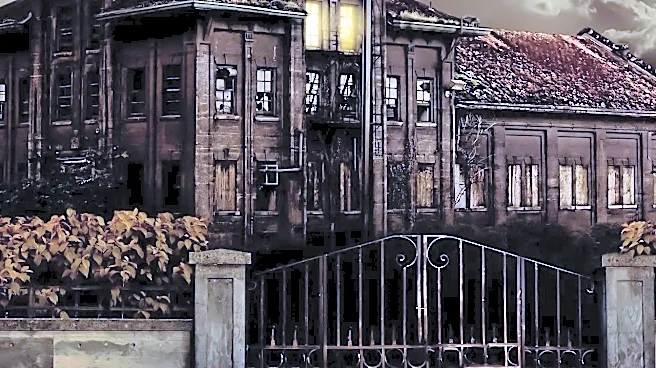
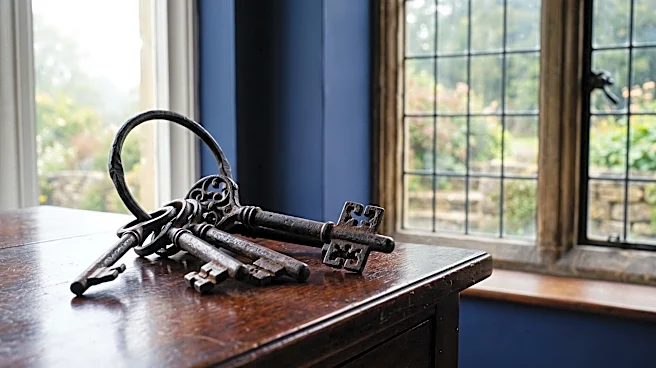
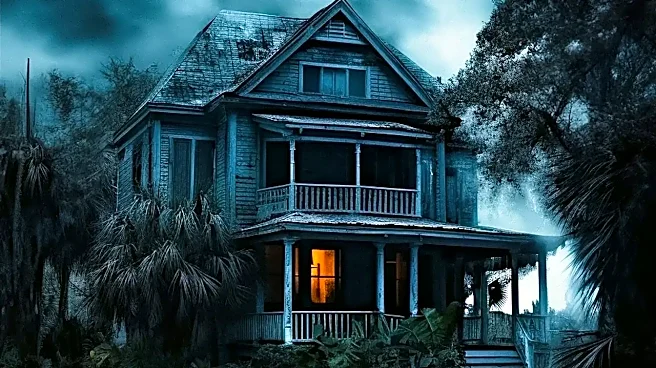
The overlooked reason the film works so well is its rigid, almost tyrannical set of rules. Grace Stewart, played with a fragile, steely intensity by Nicole Kidman, governs her house like a fortress. Her children’s rare photosensitivity requires that no door be opened before the last one is locked and that heavy curtains perpetually block out the sun. These are not just plot devices; they are the architecture of the horror. The audience, like the children, is trapped in the gloomy, candle-lit prison Grace has created. The constant locking and unlocking of doors creates a rhythm of confinement. The dread comes not from what might break in, but from the suffocating nature of being locked inside, where the true threat already resides. This disciplined structure makes the house itself a character: a vast, shadowy maze of suppressed trauma.
Silence as the Ultimate Scare
In a genre often defined by loud noises, “The Others” weaponizes quiet. Amenábar, who also composed the film’s haunting score, understands that what you can't quite hear is infinitely more terrifying than a sudden jump scare. The sound design is a landscape of unsettling subtleties: the faint rustle of a dress, a floorboard creaking upstairs, a piano playing on its own, and long stretches of taut silence. This forces the viewer to lean in, to become an active participant in the suspense, straining to decipher every whisper and footstep. The film teaches you to fear the quiet, because it’s in those moments of stillness that the presence of the unseen “others” feels most palpable. It’s a quiet horror that gets under your skin and stays there long after the credits roll.
A Ghost Story About Grief
Ultimately, the supernatural elements of “The Others” serve a deeper, more tragic purpose. The film is less about ghosts and more about the haunting nature of grief, denial, and trauma. Grace’s fierce, controlling nature is a desperate attempt to maintain order in a world that has collapsed around her. Her husband is missing in the war, and her faith is clashing with the unexplainable events in her home. The “others” she fears are a manifestation of a truth she refuses to confront. Her psychological state is the source of the horror, making the film a profound and heartbreaking exploration of a mind unraveling. The true chill comes from realizing that the most terrifying ghosts are the ones we create ourselves, born from pain we cannot bear to face.