



The Secret Language of Quality
In fashion, an “investment piece” is a high-quality item expected to provide value over years of use. But the term is often misused to sell fleeting trends at high prices. A true investment isn’t defined by a logo or a season, but by its durability. The
most critical, yet often overlooked, component of this durability is fabric recovery. Fabric recovery is the material’s ability to return to its original shape after being stretched, compressed, or wrinkled. Think of it like memory foam for your clothes; it’s what keeps a garment looking crisp and fitting well wear after wear.
The Cost of Chasing Trends
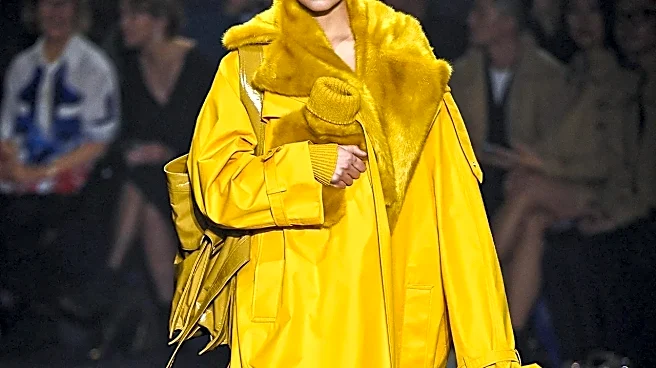
The modern fashion cycle moves at a breakneck pace, encouraging shoppers to buy items that are stylish for a moment but not built to last. These clothes often rely on lower-quality materials that may look great on the hanger but quickly degrade. They pill, sag, and lose their structure, becoming what is essentially disposable clothing. Shifting your focus from what’s trendy to how a fabric performs is a more sustainable and economical approach. An investment piece should anchor your wardrobe for years, not become clutter after a few wears. Its value is measured in cost-per-wear, and a garment that holds its shape will always deliver a better return.
Fabrics That Bounce Back
Certain fibers are naturally gifted with excellent recovery. Wool is a prime example; its natural crimp acts like a tiny spring, allowing it to resist wrinkling and return to form. Many synthetic fibers like polyester and nylon are also engineered for resilience and are staples in performance wear for this reason. The addition of even a small amount of elastane (spandex) to other fibers, such as cotton or rayon, can dramatically improve a fabric's ability to stretch and recover, preventing the dreaded bagging at the knees and elbows. On the other hand, some natural fibers like linen and certain types of cotton have very poor recovery, which is why they wrinkle so easily and can stretch out over the course of a day.
The Simple In-Store Test
You don’t need a science lab to evaluate fabric recovery. You can perform a quick, simple test right in the store. Take a small, hidden part of the garment—like the inside of a hem or a corner of the fabric—and clench it tightly in your fist for about 30 seconds. This is often called the “scrunch test.” After you let go, observe how the fabric behaves. Does it spring back to a smooth, flat state with minimal creasing? That’s a sign of good recovery. Does it hold onto the wrinkles and look crumpled? That fabric will likely lose its shape quickly and require constant ironing. A fabric with a dense, tight weave will also generally perform better than one that feels loose or flimsy.
Building a Wardrobe That Lasts
While fabric recovery is the cornerstone, other elements like quality construction—neat seams, good lining, and secure buttons—also define an investment piece. But a well-constructed garment made from poor-quality fabric will still fail you over time. The material is the foundation upon which everything else is built. By prioritizing fabric performance, you're not just buying a piece of clothing; you're investing in an item that will maintain its fit, feel, and appearance for years to come. This mindset shift allows you to build a more thoughtful, functional, and truly stylish wardrobe that stands the test of time, moving beyond the fleeting appeal of the season's must-have item.