





The Maradona Standard
In the language of soccer legacies, a “defining run” means something specific. It’s not just about winning; it’s about a player single-handedly bending a World Cup to their will. Diego Maradona in 1986 is the benchmark. He didn’t just lead Argentina to victory;
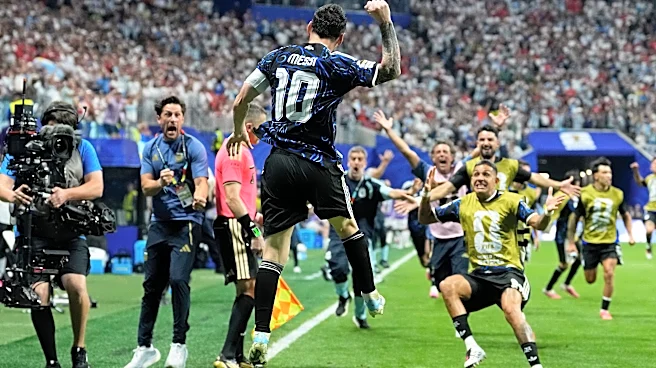
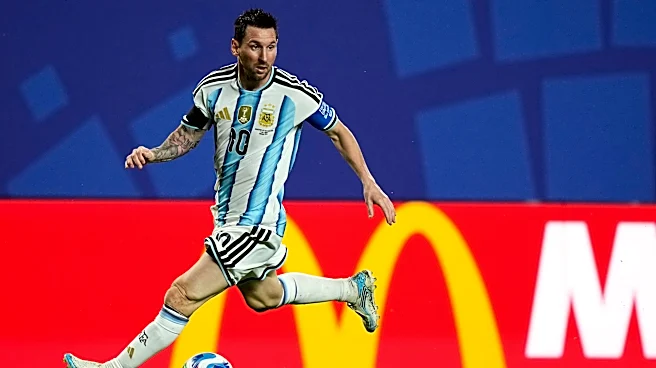
he was the tournament’s entire narrative, a force of nature who scored five, assorted five, and produced moments of both divine genius and diabolical controversy. More recently, Lionel Messi’s 2022 campaign in Qatar serves as the modern equivalent. He wasn't at his physical peak, but he was the spiritual and tactical center of his team, delivering decisive moments in every knockout game to finally capture the one prize that had eluded him. These are the campaigns that end debates. They are month-long masterclasses where one player becomes bigger than the tournament itself, leaving an indelible mark on history.
The Agony and the Ecstasy
Ronaldo’s international career is not without its triumphs. He is the all-time leading goalscorer in men's international football and has scored in a record six World Cups. And then there’s Euro 2016. Portugal won their first-ever major trophy, a monumental achievement that Ronaldo himself has equated to winning a World Cup. Yet, the narrative is complicated. The team advanced from their group with three draws, and Ronaldo’s final was cut short by an injury just 25 minutes in. His sideline coaching became an iconic image, but the winning goal came from an unlikely hero, Éder. His World Cup history is a series of brilliant flashes and frustrating exits. The stunning hat-trick against Spain in 2018 was an all-time classic individual performance, but Portugal fell in the next round. His first deep run was in 2006, when a 21-year-old Ronaldo helped Portugal to the semi-finals, only to lose to France. Subsequent tournaments ended in the round of 16 (2010, 2018, 2026) or even the group stage (2014).
Alternate History: The 2018 World Cup
So, what if? Let's rewind to 2018. After that spectacular opening game against Spain, what if Ronaldo had dragged that solid but unspectacular Portugal side all the way? Imagine him scoring the winner against Uruguay in the Round of 16, a match they actually lost 2-1. Picture him rising to head in a late goal to overcome France in the quarters, then out-dueling a young Kylian Mbappé. Imagine a semi-final against a talented but volatile Brazil, where Ronaldo once again proves to be the decisive factor. In this alternate timeline, he wouldn't just be scoring goals; he would be the embodiment of clutch performance, the leader who refused to let his nation lose. Arriving in the final against Croatia's golden generation, led by Luka Modrić, he would have had the chance to cap off a perfect tournament. A single, match-winning moment in that final would have been his coronation, providing the one, undisputed exhibit for his claim to being the greatest of all time.
Rewriting the GOAT Debate
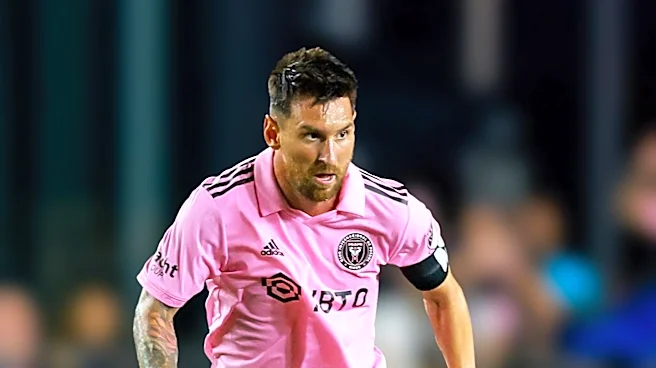
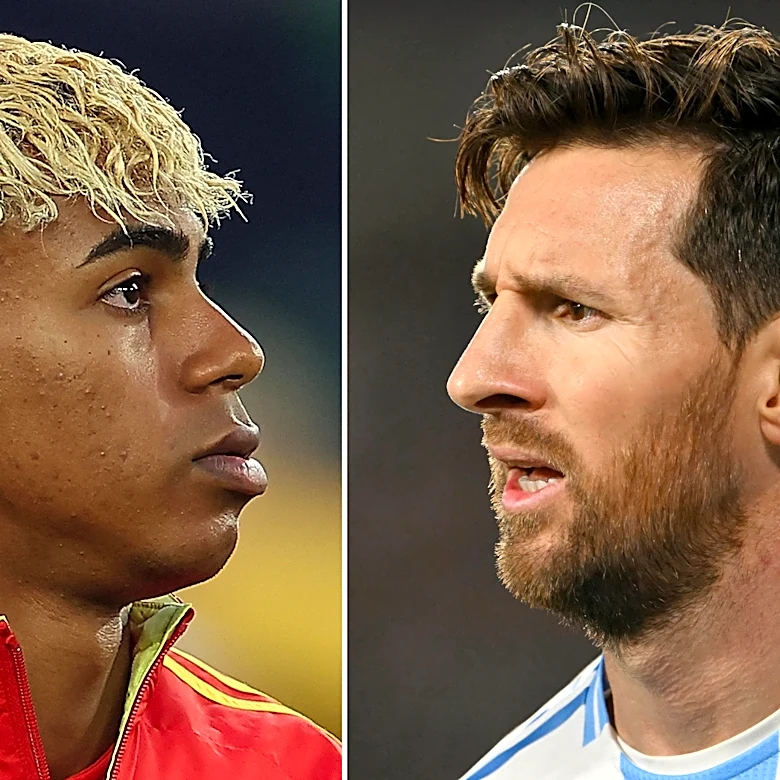
A World Cup win of that nature would have fundamentally altered the never-ending debate with Lionel Messi. For years, the primary argument against Ronaldo's claim to being the "Greatest Of All Time" was his lack of a World Cup trophy, especially as Messi finally secured his in 2022. A dominant, Maradona-esque run would have erased that asterisk entirely. It would have shifted the conversation from aesthetics and "natural talent" to undeniable, big-game delivery. Ronaldo's brand of greatness—built on athleticism, repetition, and an unbreakable will to win—would have its ultimate validation. The Euro 2016 win, achieved without him in the final, would be seen not as a complicated success, but as the prelude to his true masterpiece. In this world, the argument wouldn't be about who was more magical, but who was more decisive when everything was on the line. With a World Cup trophy lifted as the tournament's hero, Ronaldo's case would be, for many, unassailable.