



The Philosophy of 'Sprezzatura'
To understand Milanese style, you have to understand 'sprezzatura.' It's an old Italian concept, first described in the 16th century, that means a kind of 'studied carelessness.' The goal isn't just to look good, but to make it look completely effortless.
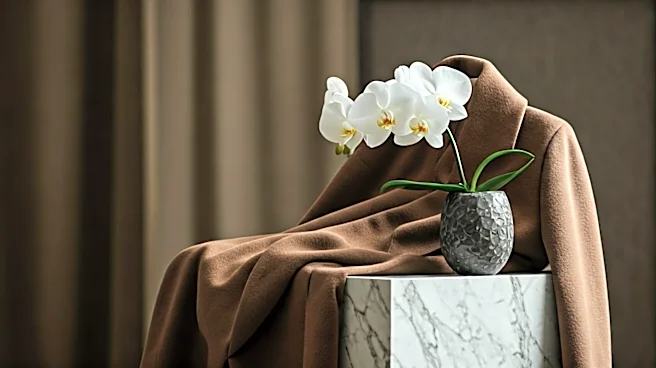
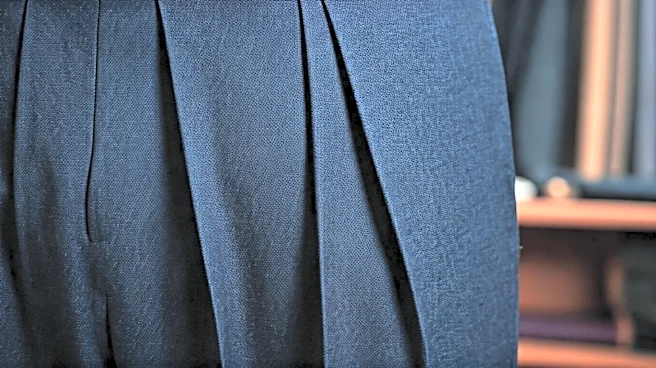
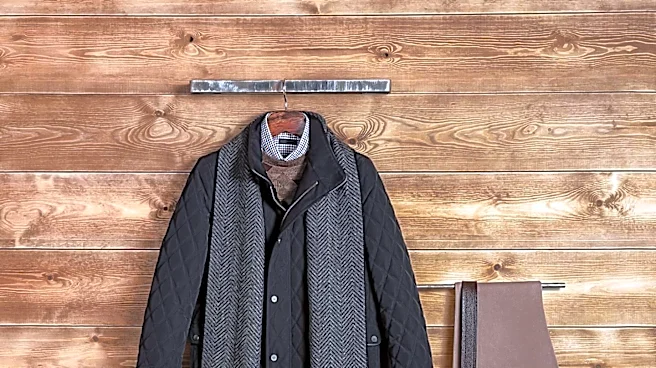
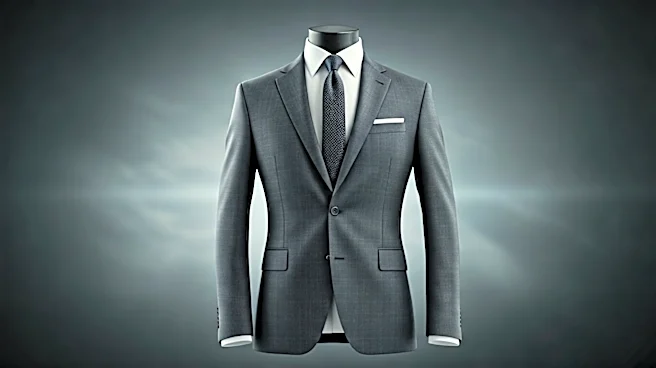
It’s the art of wearing an exquisitely tailored jacket as if it were a worn-in cardigan. This philosophy is the antithesis of logomania. Instead of broadcasting wealth with flashy brand names, the focus shifts entirely to cut, fit, and form. A man embodying sprezzatura isn't trying to impress strangers with a logo; he's expressing a quiet confidence. This cultural underpinning creates a demand for clothing that is exceptional in its construction, not its branding. The expense, then, is baked into achieving that perfect, nonchalant silhouette.
Material Becomes the Status Symbol
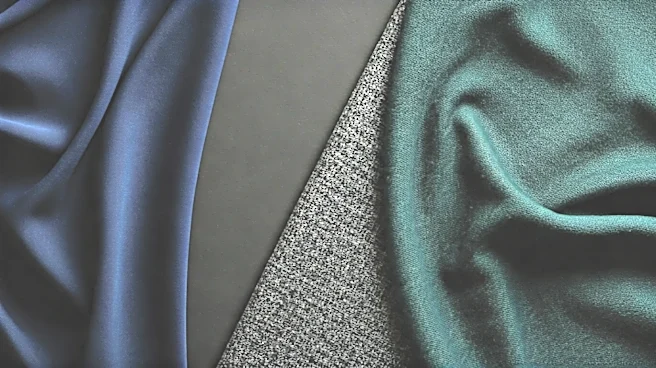
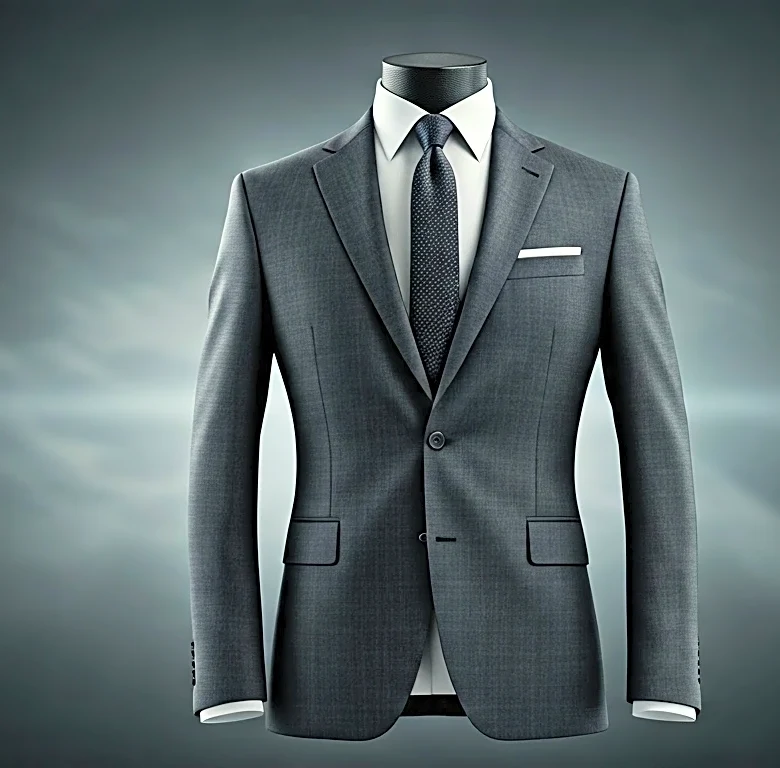
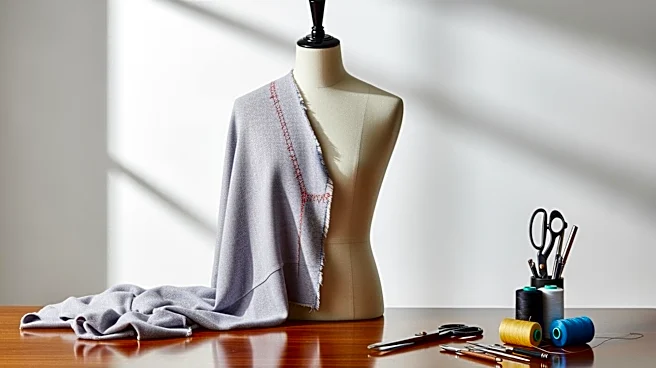
When you strip away the logos and loud patterns, what’s left? The fabric. In the world of quiet luxury championed by Milanese houses like Loro Piana, Zegna, and Brunello Cucinelli, the material is the message. We're not talking about good-quality cotton; we're talking about the absolute pinnacle of textiles. Think sweaters made from vicuña, a rare fiber gathered from a wild Andean camelid that is finer and softer than the best cashmere. Or consider 'baby cashmere,' sourced from the first combing of a baby goat. These materials are incredibly rare, difficult to harvest, and require immense skill to process. A simple, unadorned blazer might be made from a custom-milled wool-silk-linen blend that drapes in a way no other fabric can. The price tag reflects the scarcity and artistry of the raw materials themselves. You’re not paying for a name; you’re paying for a tangible, unparalleled sense of touch and comfort.
Generational Craftsmanship over Fleeting Hype
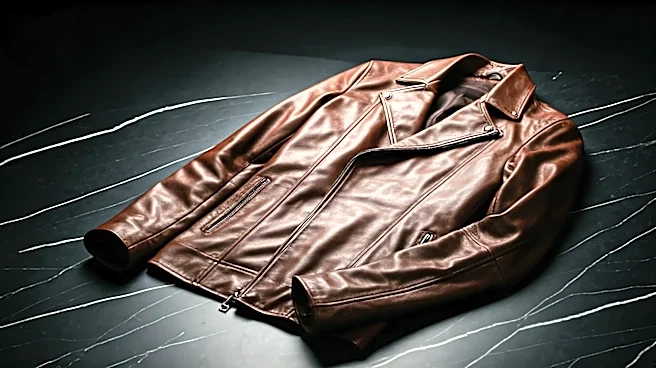
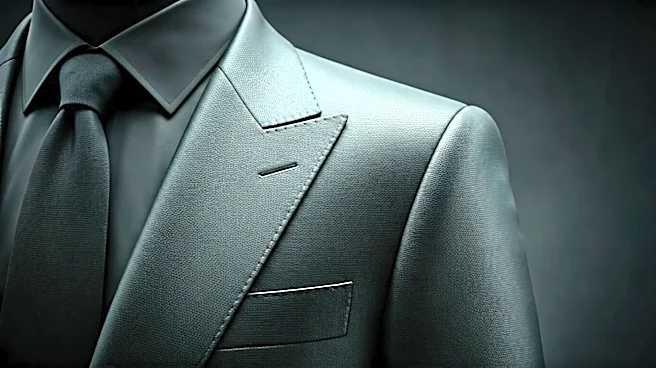
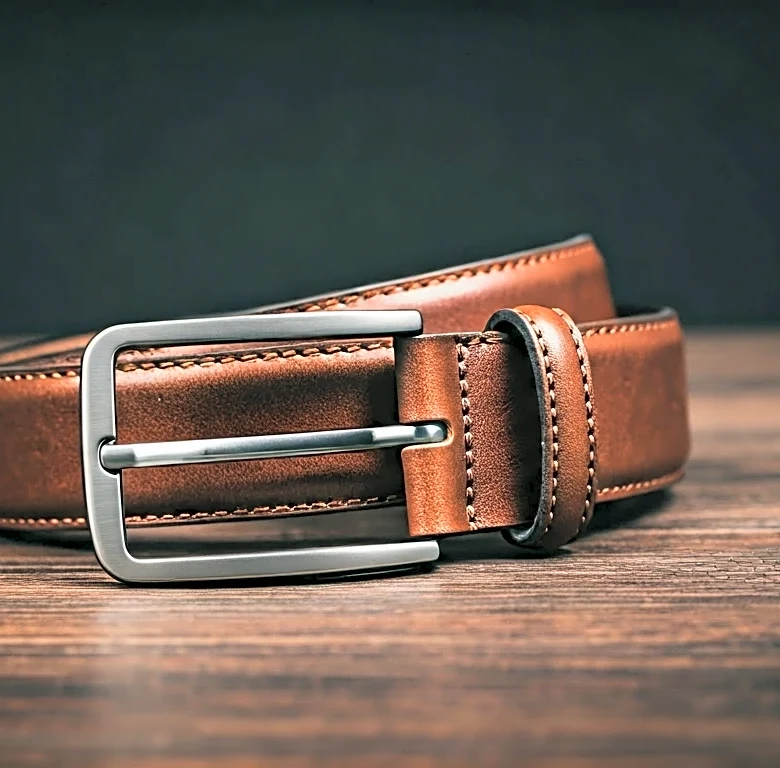
A luxury sneaker from a hyped collaboration might be made in the same factory as a thousand other shoes. A subtly luxurious suede jacket from a Milanese artisan, however, is often the result of generations of accumulated knowledge. These brands are not built on influencer marketing; they are built on a reputation for obsessive quality. The stitching on a lapel, the way a shoulder is constructed to move with the body, the precise shade of a vegetable-dyed leather—these are not scalable processes. They require years of training and a human touch that can't be replicated by a machine. This commitment to traditional craftsmanship means production is slow, limited, and expensive. You’re paying for the artisan’s time, expertise, and the guarantee that the garment is not a disposable trend piece, but an investment designed to last for decades, looking better with age.
The 'If You Know, You Know' Factor
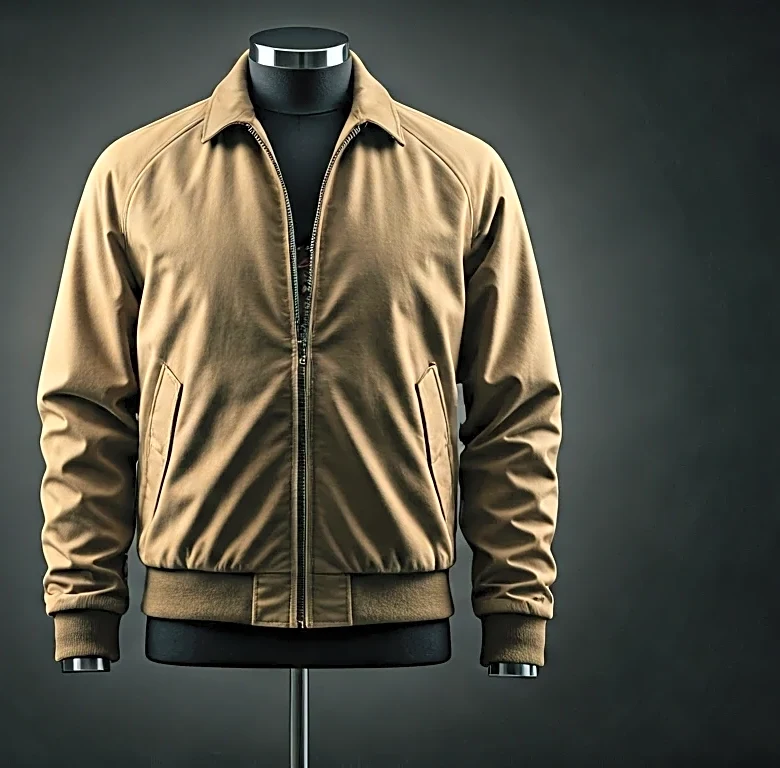
Ultimately, the high cost of subtlety is about exclusivity—not the bouncer-at-the-door kind, but a more rarefied, coded form. This is the uniform of 'stealth wealth.' Wearing a $15,000 unbranded vicuña bomber jacket is a social signal that is intentionally designed to be missed by the masses. Its message is only legible to a small group of peers who can recognize the drape of the fabric and the perfection of the cut. For this clientele, the appeal is precisely that it *doesn’t* scream for attention. It’s a quiet nod to others in the same financial or aesthetic echelon. This creates a powerful feedback loop: the less a piece tries to advertise its own worth, the more confident its wearer appears, and the more valuable the item becomes to those who covet that kind of status. The price is a gatekeeping mechanism, ensuring that true luxury remains the domain of those who don’t need to shout about it.