

More Than Just A Modern Makeover
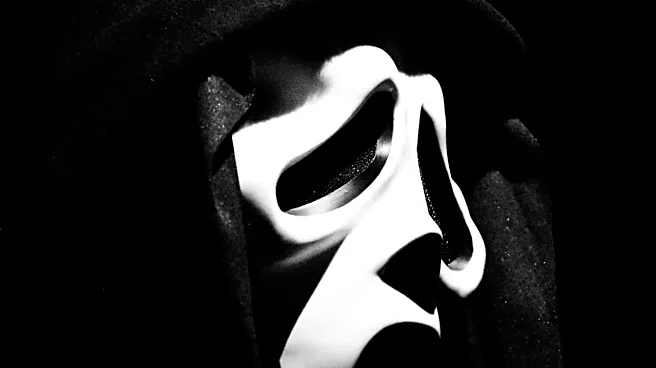
It’s easy to get cynical about horror remakes. The originals are often so beloved, so iconic, that any attempt to recapture that lightning in a bottle can feel like a fool’s errand. We compare the new Ghostface to the original, the new final girl to the old
one, and often find the update lacking. But judging a remake solely on its ability to replicate the original is like judging a cover song by how perfectly it mimics the studio recording. You miss the point entirely. The most fascinating remakes aren't photocopies; they're reinterpretations. They are cultural documents, separated by decades of social, political, and technological upheaval. The changes they make—whether to the monster, the message, or the moral of the story—are rarely accidental. They are a dialogue with the original, and more importantly, a reflection of the time in which they are made. By asking “What changed?” you move from being a passive consumer to an active cultural detective.
Did the Monster Change, or Did We?
The fears of a society are embedded in the DNA of its monsters. Look at the multiple invasions of the Body Snatchers. The 1956 original is a masterclass in Cold War paranoia, a metaphor for McCarthy-era fears of communist conformity where your neighbor could become a soulless automaton overnight. But by 1978, the fear had shifted. Philip Kaufman’s remake taps into a post-Watergate sense of institutional decay and social alienation. The enemy isn't an external ideology anymore; it's a creeping, internal apathy. Similarly, George A. Romero's 1978 zombies in 'Dawn of the Dead' were slow, shambling critiques of consumer culture, drawn instinctively to a shopping mall. Zack Snyder’s 2004 remake unleashes sprinting, rage-fueled zombies. Born in a post-9/11 world, these creatures don't satirize our habits; they embody a new kind of viral, uncontrollable terror, where society collapses in an instant.
From Practical Gore to Digital Dread
How a monster is brought to life is as important as what it represents. In 1951, 'The Thing from Another World' gave audiences a man in a suit—a visible, singular alien foe. It was scary for its time, but identifiable. Thirty-one years later, John Carpenter's 1982 version, 'The Thing,' unleashed Rob Bottin’s legendary practical effects. The monster was no longer just an invader; it was a biological horror that could imitate anyone, turning the film into a masterwork of paranoia. The grotesque, tangible transformations were the source of the terror. Today, CGI can render any monster imaginable, but it often creates a different, less visceral effect. The shift from the gloopy, tactile horror of Carpenter’s 'Thing' to the smoother, often less weighty digital creations of its 2011 prequel highlights a fundamental change in how we experience cinematic terror. The change in technology often fundamentally changes the horror itself.
An Evolution in Story and Theme
Sometimes the biggest changes are thematic. Dario Argento’s 'Suspiria' (1977) is a surreal, color-saturated nightmare, a Giallo fairy tale where the story is secondary to the stunning visuals and sound. Luca Guadagnino’s 2018 reimagining scraps the vibrant color palette for a muted, chilly aesthetic. More importantly, it discards the simple plot and builds a dense, sprawling narrative about matriarchy, motherhood, and Germany’s unresolved guilt in the wake of World War II. It’s not just a remake; it’s a complete thematic reinvention that uses the original’s framework to ask entirely new questions. The endings often change, too. The 1978 'Invasion of the Body Snatchers' concludes with one of the most famously bleak and shocking final shots in horror history, a gut punch of nihilism that stands in stark contrast to the more cautionary, hopeful ending the studio forced on the 1956 original. This change reflects a decade that had lost its innocence entirely.