






The Arconia as a Character
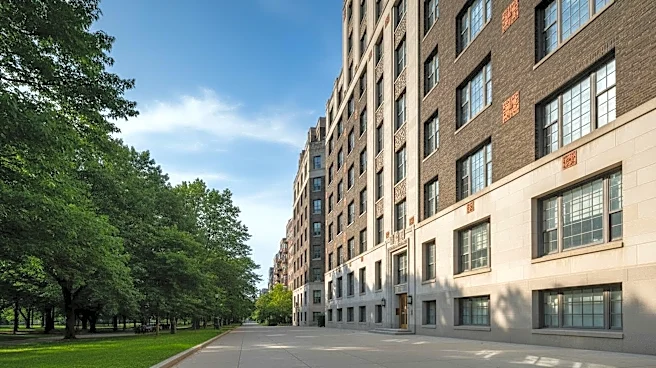
More than just a backdrop, the Arconia, the show's grand Upper West Side apartment building, is the series' anchor and a central character in its own right. It functions as a perfect microcosm of a certain slice of New York life, where lavish pre-war
architecture houses a mix of eccentric, lonely, and often self-important residents. The show’s satire sinks its teeth into the city's real estate obsession; neighbors who have lived yards from each other for years remain complete strangers, yet they know the floor plan of every apartment line. In one of the series' most telling early moments, residents at a memorial for a murdered neighbor are more concerned with who gets to bid on his vacant, view-blessed apartment than with the tragedy itself. This depiction of a community bound by address but separated by emotional distance is a distinctly New York phenomenon, providing fertile ground for both comedy and, as it turns out, murder.
The Agatha Christie Blueprint
At its core, the show is a loving homage to the classical whodunit, following a blueprint that would make Agatha Christie proud. The series embraces the key components of a “cozy mystery”: amateur sleuths, a closed community of suspects, and a focus on puzzle-solving over graphic violence. The Arconia serves as the quintessential locked room—or in this case, a locked building—where the killer must be one of the residents. This structure creates a delightful paranoia that fuels the investigation. The trio of Charles, Oliver, and Mabel are classic amateur detectives, bumbling their way through an investigation armed with more passion than expertise. Their dynamic, a blend of generational differences and complementary neuroses, is the engine of the show. The plot is meticulously layered with red herrings, twists, and a cast of quirky supporting characters who could all plausibly be the culprit, keeping viewers guessing in the best tradition of the genre.
Where Satire and Suspense Collide
The true brilliance of 'Only Murders in the Building' is how these two genres—satire and mystery—are not just parallel tracks but are deeply intertwined. The mystery plot forces the isolated, self-absorbed residents to actually talk to one another, often for the first time. The satirical elements, meanwhile, provide the character motivations that drive the mystery. Oliver’s desperate need for a career comeback fuels his desire to produce the podcast, while Charles’s loneliness and past as a TV detective make him susceptible to the thrill of a real case. The very thing the show satirizes—the modern obsession with true crime podcasts—is the device that brings the main characters together and provides the narrative framework for their investigation. Their attempts to create a compelling podcast often lead to hilarious missteps that simultaneously advance and complicate the real-life murder investigation, creating a perfect feedback loop of comedy and suspense.
The Podcast as Modern-Day Parlor
In classic murder mysteries, the story often concludes with the detective gathering all the suspects in a parlor to dramatically reveal the killer. 'Only Murders' cleverly updates this trope for the digital age: the podcast is the new parlor. It's the medium through which the trio organizes their thoughts, presents their evidence to the world, and, in a meta-twist, becomes the subject of their own fame and scrutiny. This self-aware approach allows the show to comment on the ethics and absurdities of the true-crime genre itself. The podcast isn't just a storytelling gimmick; it has real consequences, putting the investigators in danger and turning them into local celebrities within the very building they're investigating. It’s both a tool for solving the crime and a target of the show’s satire, embodying the blend of sincere investigation and performative drama that defines the entire series.