




The real spell cast by 'Wicked' isn’t found in a book of enchantments. It’s in its sharp, timeless exploration of reputation—how it’s built, how it’s destroyed, and how the story we tell about someone becomes more powerful than who they are.
The Making of a 'Wicked' Witch
From the moment
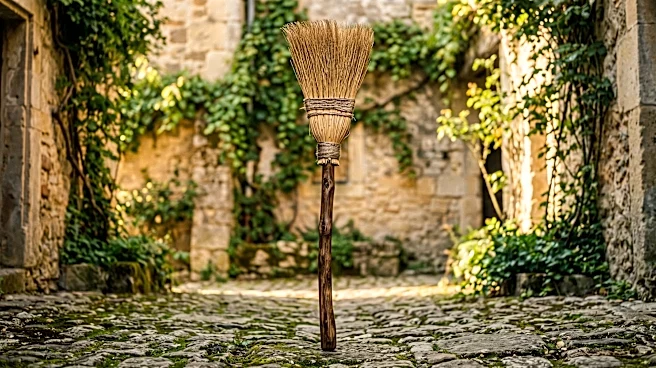
Elphaba is born, her green skin makes her an outcast. Her identity is decided for her before she can speak a word. She possesses genuine magical talent, an innate power that sets her apart, but society filters this ability through the lens of her appearance, viewing it as dangerous and unnatural. Her journey is a masterclass in how a reputation is constructed. She isn't labeled 'wicked' because of her actions, but because she dares to challenge authority and fight for the oppressed Animals of Oz. The Wizard and Madame Morrible, the true architects of corruption, need a villain to unite the public in fear, and Elphaba’s otherness makes her the perfect scapegoat. Her every act of defiance, born from a strong moral compass, is twisted by propaganda into proof of her malevolence. She doesn't become wicked; she is branded wicked, and that brand becomes her reality in the eyes of the world.
The Gilded Cage of 'Goodness'
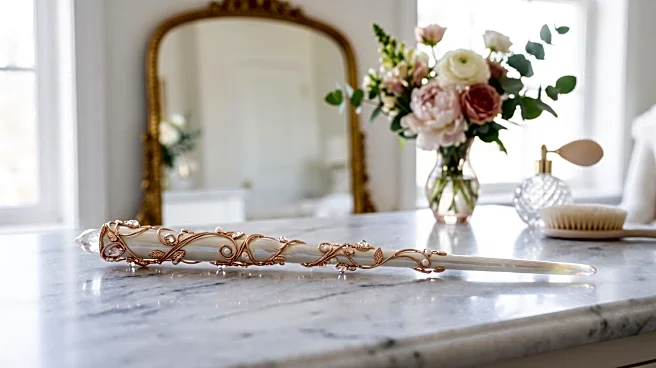
On the other side of the coin is Glinda, the embodiment of public relations. Where Elphaba has raw magical power, Glinda has social power. Her defining characteristic isn't her magical skill, which is modest, but her relentless pursuit of being popular. She understands that in Oz, perception is reality. Her initial 'goodness' is performative—it's about being liked, admired, and maintaining a flawless image. This pursuit traps her. To keep her status as 'Glinda the Good,' she becomes complicit in the Wizard's oppressive regime, turning a blind eye to injustice to protect her own standing. Her journey is the tragic inverse of Elphaba's. While Elphaba is ostracized for her integrity, Glinda is celebrated for her conformity. She becomes a willing symbol for a corrupt government, her bright smile and sparkling wand providing the palatable cover for a system built on lies. Her reputation as 'good' becomes a gilded cage, forcing a choice between her conscience and her crown.
Manufacturing an Enemy
The true villain of 'Wicked' is not a person but a system: the propaganda machine run by the Wizard. He explicitly states his strategy: the best way to bring people together is to give them a really good enemy. He has no magic of his own; his power comes from his ability to control the narrative. By demonizing Elphaba, he distracts the citizens of Oz from his own failings and consolidates his authority. This is the story's most chillingly relevant theme. It reveals how easily a society can be manipulated into hating a manufactured foe, especially when that narrative is amplified by those in power. The story of the 'Wicked Witch of the West' isn't history; it's a state-sponsored media campaign. Elphaba’s struggle highlights how resisting a false narrative is often the very act that gets one labeled as dangerous, a truth that resonates far beyond the Emerald City.
Changed 'For Good'
The emotional climax of the story, the ballad 'For Good,' is about more than just friendship. It's the ultimate recognition of how deeply the two women have shaped each other's identities. Glinda teaches Elphaba about connection, while Elphaba forces Glinda to confront the moral cost of her popularity. Their bond is a testament to seeing past the reputations assigned to them—the 'wicked' and the 'good'—and acknowledging the complex person underneath. They have changed each other 'for good,' meaning forever, but also for the better, pushing one another toward more authentic versions of themselves. Glinda eventually uses her carefully cultivated reputation not for personal gain, but to try and honor her friend's true legacy. It's the moment her 'goodness' finally becomes genuine, transforming from a superficial label into a deeply held conviction.