






The Unlikable Hero Problem
Modern screenwriting lives and dies by a simple rule: the audience has to root for the protagonist. But in the Cyclops sequence, Odysseus is complicated. He's undeniably clever, devising the brilliant 'Nobody' trick and the escape under the sheep. Yet,
his monumental arrogance is what gets his crew into trouble and, ultimately, cursed by Poseidon. After blinding Polyphemus, he can't resist boasting, shouting his real name across the water just to claim credit. This act of pure hubris leads directly to the death of his men. For a screenwriter, this is a nightmare. How do you maintain audience sympathy for a hero who is smart enough to win but too proud to quit while he's ahead? He isn't just a flawed hero; in this moment, he's actively self-destructive and endangers everyone around him for the sake of his ego, a trait that makes him a tough sell for a modern protagonist.
The Monster in the Cave
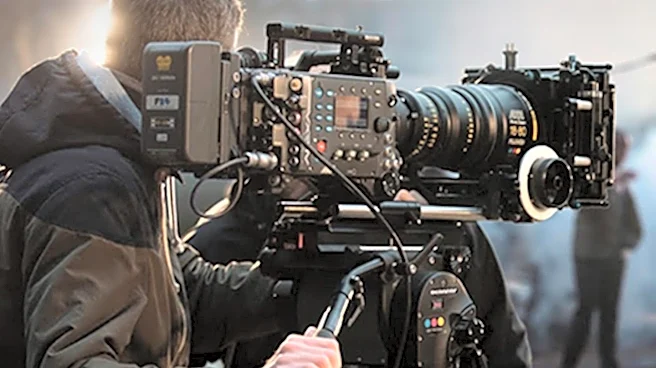
Then there’s Polyphemus himself. On the page, he is a figure of raw, brutal horror—a lawless giant who smashes men’s heads like puppies and eats them raw. Translating that to the screen is a delicate balancing act. Go too far with CGI, and he looks like a cartoonish video game boss. Underdo it, and the terrifying threat that defines the sequence evaporates. Recent reports on Christopher Nolan’s upcoming adaptation highlight this challenge, noting his use of massive puppets, animatronics, and filming in a real, oppressive cave to create a tangible sense of dread. The goal is to make the Cyclops feel less like a fantasy creature and more like a horror antagonist. The real test isn't just showing a one-eyed giant; it's capturing the feeling of being trapped in the dark with a creature that represents pure, uncivilized violence.
The Pacing and Payoff Predicament
Homer’s epic has the luxury of time. The ordeal in the cave unfolds with agonizing slowness. Odysseus and his men are trapped for days, watching their comrades get eaten one by one while they methodically craft an escape plan. This builds a unique kind of dread. Film, however, demands momentum. A screenwriter must compress this timeline without losing the psychological horror of the entrapment. You can't just have them pop in, blind the guy, and leave. The tension comes from the imprisonment and the dawning realization that brute force is useless. Furthermore, the central 'Nobody' gambit is a purely verbal trick. Making that moment land with the dramatic punch it deserves on screen—where showing is always better than telling—requires masterful dialogue, performance, and visual punctuation to ensure the payoff feels as clever as it reads.
The 'Why' Behind the Brutality
Finally, the sequence forces a screenwriter to confront the story's ancient, and often alien, moral landscape. Polyphemus isn't just a random monster; he is the son of a god, and his blinding has divine consequences. The story is a lesson about the clash between civilization (Odysseus's cunning) and barbarism (Polyphemus's savagery), but it's also a lesson about hubris. For modern audiences, a hero who blinds his captor and then taunts him might seem unnecessarily cruel, especially after the Cyclops’s pitiful appeal to his father, Poseidon. A script has to provide enough context for viewers to understand the stakes in their Greek context—where hospitality is a sacred duty and disrespecting the gods invites ruin—while still crafting a narrative that resonates with contemporary ideas of heroism and villainy. It’s a challenge of cultural translation as much as literary adaptation.