






More Than Just a Comic Strip
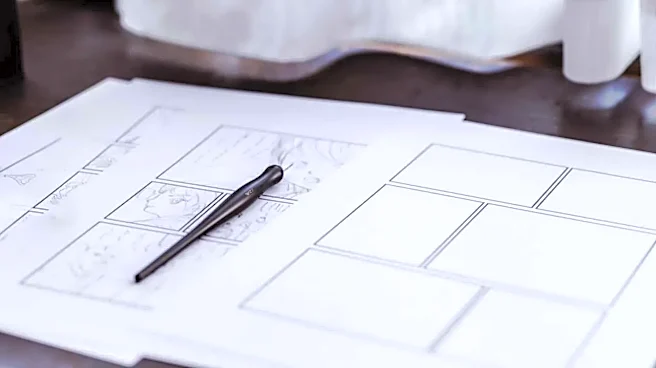
When you hear 'storyboard,' you might picture a simple comic-strip version of a show. In reality, it’s the architectural blueprint for an entire episode. A storyboard artist translates a script into a sequence of drawings, panel by panel, defining every
shot. This isn't just about what the characters look like; it’s about establishing the visual language of the story. These boards map out camera angles, character placement, scene transitions, and the overall pacing. For a show like the Australian hit 'Bluey,' a single seven-minute episode can require between 500 and 900 storyboard panels. This detailed plan becomes the definitive guide for every other artist down the line, from the animators to the background painters, ensuring that the director’s vision is clear long before the expensive animation process begins.
The First Draft of a Performance
A great storyboard artist is part director, part actor, and part cinematographer. They are the first to give a character a physical performance. While the script provides the dialogue, the storyboard artist determines the 'acting'—the subtle tilt of a head, the timing of a comedic eye-roll, or the powerful stance of a hero. They visualize the emotional beats and physical comedy, essentially directing on paper. It's in the storyboard phase that a joke on a page becomes a perfectly timed visual gag, or a heartfelt line is matched with a devastatingly sad expression. The artists essentially perform the entire episode through their drawings, making critical choices that define how an audience will feel moment to moment. This visual script is then often turned into an 'animatic'—a rough, moving version of the storyboard timed with dialogue and temporary music—which serves as the final blueprint for the animation team.
The Foundation of Emmy Gold
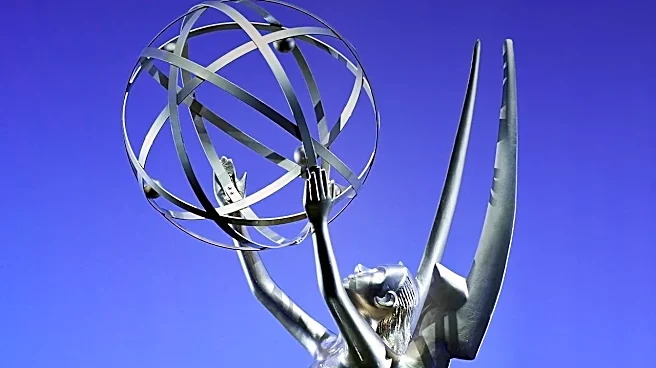
The leap from a good animated show to an Emmy-winning one often happens at the storyboard stage. Consider a series like 'Arcane', a two-time winner in the Outstanding Animated Program category at the Creative Arts Emmys. The show is lauded for its breathtaking action and deep emotional storytelling. Those complex, fluid fight sequences and gut-wrenching character moments weren't just figured out by the animators; they were meticulously planned and choreographed in the storyboards first. The artists work to solve intricate staging problems and ensure the emotional arc of a scene lands perfectly. By the time the animators receive the boards, the storytelling heavy lifting is already done. The boards provide a rock-solid foundation, freeing up the animation team to focus on executing the performance and adding the polish that captures the Television Academy's attention.
The Unsung Heroes of the Screen
In an industry where writers, directors, and voice actors often get the spotlight, storyboard artists are frequently the unsung heroes. Their work is the essential bridge between the written word and the final animated product. A strong storyboard saves a production immense time and money by solving problems early, but its creative contribution is even more significant. It establishes the rhythm, emotion, and cinematic quality of an episode. Without a clear and compelling storyboard, even the most talented animation team would be working without a map. It’s the stage where raw ideas are forged into a coherent and powerful visual narrative, making it arguably one of the most critical steps in crafting television that doesn't just entertain, but endures as award-winning art.