




The Anatomy of a High-Stakes Moment
The penalty shootout is pure theater. Unlike the fluid chaos of regular play, it’s a series of isolated duels. The walk from the center circle to the penalty spot is often described by players as the loneliest moment in their careers. For those few seconds,
a professional athlete, trained to operate as part of a collective, is utterly alone. The roar of the crowd fades into a muffled hum, and the goal, which seemed so large moments before, suddenly shrinks. Research shows that a player’s routine during this walk—or lack thereof—has a measurable impact on success. Players who rush their shot after the whistle are significantly more likely to miss. Those who take a moment to compose themselves, using consistent, deliberate routines, see their success rates climb. It’s not just a physical act; it’s a battle to control the mind when every instinct is screaming.
The All-Seeing Eye of the Camera
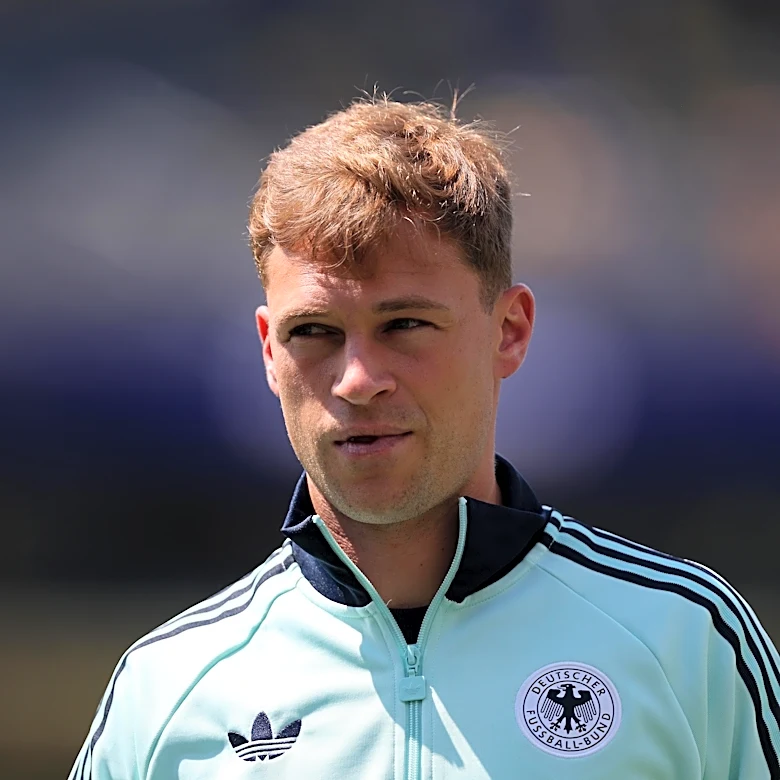
This is where modern broadcasting transforms the experience. The director cuts from a wide shot of the stadium to an extreme close-up of the player’s face. Suddenly, we’re not just spectators; we're invading their personal space. We see the sweat beading on their forehead, the rapid pulse in their neck, the deep, shuddering breath. This intense focus isn't just for dramatic effect; it has a profound psychological impact on both the player and the viewer. For the athlete, the awareness of being watched so intently can trigger what psychologists call the “spotlight effect” or fear of negative evaluation, amplifying self-consciousness. This heightened pressure can disrupt well-learned motor skills, causing the very “overthinking” that leads to a missed shot. The camera turns an internal struggle into a public spectacle, magnifying the stakes from a simple kick to a test of character.
Your Brain on Penalties: The Science of 'Choking'
When athletes talk about “letting their brain get in the way,” they’re describing a real neurological event. Performing a well-practiced skill, like kicking a soccer ball, is typically handled by the brain's motor cortex, which relies on implicit memory or “muscle memory.” It’s automatic. But under intense pressure, the prefrontal cortex—the part of the brain responsible for conscious thought and decision-making—can hijack the process. This is what's known as “choking.” Instead of relying on instinct, the player starts consciously analyzing their movements: plant foot here, swing leg like this, follow through. This explicit monitoring disrupts the fluid, automated sequence, often resulting in a clumsy or mistimed kick. Research shows that the pressure to secure a massive reward or avoid a devastating loss can disrupt the very neural signals responsible for precise motor control. The close-up shot, reminding the player of the monumental stakes, is a direct invitation for the prefrontal cortex to get involved where it’s not wanted.
A Shared Reality for the Viewer
The close-up doesn’t just affect the player; it transforms us, the viewers, from passive observers into active participants in the drama. By focusing on the player’s face, the broadcast creates what’s known as a parasocial relationship—a one-sided, intimate bond between a media figure and an audience member. We feel like we know them in that moment. We see their humanity, their vulnerability, their fear. That emotional close-up triggers empathy. Our own heart rates rise, our palms sweat. We’re not just watching someone try to score a goal; we are vicariously living their internal battle. Broadcasters know this well; they deliberately cut between the player's tense face and the hopeful or anxious faces in the crowd to build a narrative of shared emotion. This technique makes the outcome feel deeply personal, turning a sporting event into a collective emotional experience.