





The Psychology of Pressure
In a normal tournament match, the pressure is on the favorite to perform. In a rivalry game, that pressure is amplified tenfold by the psychological weight of history and identity. For the favorite, the match becomes about avoiding the humiliation of losing
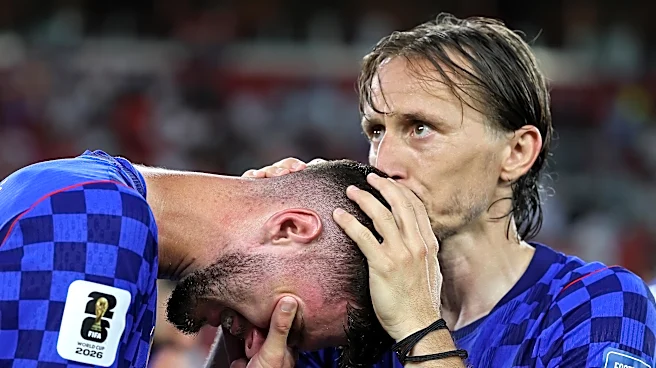
to them. This is what psychologists call “loss aversion”—the fear of losing feels far more intense than the pleasure of winning. Players might get tense, make rushed decisions, or play conservatively, afraid to make a mistake that will be remembered for decades. For the underdog, the dynamic is flipped. They have little to lose and everything to gain. A victory makes them legends. A loss was expected anyway. This “challenge” mindset allows them to play with a freedom and aggression their favored opponents can't afford, turning the supposed advantage of the favorite into a psychological cage.
When the Playbook Gets Shredded
Favorite teams usually get to the top by perfecting a specific style of play, whether it’s a high-press system or a possession-based passing game. Rivalry matches, however, are rarely clean, tactical exhibitions. They are often chaotic, physical, and fragmented affairs. An underdog rival has no interest in playing the favorite’s game. Instead, they embrace disruption. Tactics shift from fluid soccer to “managed aggression.” Expect more hard tackles, tactical fouls to break up rhythm, and a willingness to sit in a deep, compact defensive block. This forces the favorite out of their comfort zone. The beautiful game they’re used to playing devolves into a street fight, where technical superiority is less important than raw determination. Games become bogged down, the foul count climbs, and the match is decided not by fluid attacks, but by a single set-piece or a moment of individual brilliance born from the chaos.
The Weight of History
A rivalry isn't just a game; it's a continuing story about identity, community, and bragging rights. These matches are layered with decades of shared history—past injustices, heroic comebacks, and painful defeats. Players on both sides know they are representing more than just their team; they are representing a city, a region, or even a nation's pride against its foil. This adds a level of emotional motivation that can't be quantified by statistics or FIFA rankings. Think of the intensity of Argentina vs. Brazil, or the local ferocity of an AC Milan vs. Inter derby. That historical weight fuels the underdog and can burden the favorite. It reminds everyone involved that the stakes are far higher than just advancing to the next round. This intangible energy is a great equalizer, capable of inspiring an outmatched team to play above their level and deliver a historic performance.
The Uncontrollable X-Factor
Finally, there’s the sheer force of the stadium atmosphere. While a home crowd is always an advantage, a partisan derby crowd is a force of nature. The noise can influence referees, who may subconsciously become more lenient with the home side. It can also create an intimidating environment that unnerves visiting players, leading to unforced errors and poor decisions. Recent research confirms that players feel the growing intensity from the stands, which can impact performance and mental health. When thousands of fans are roaring with a collective desire born from generations of rivalry, it creates an unpredictable and volatile environment. A lucky bounce, a controversial call, or a sudden eruption of noise can swing momentum in an instant. In these moments, talent and tactics can become secondary to which team can better handle the swirling chaos of the occasion.