









Built for Football, Borrowed for Fútbol
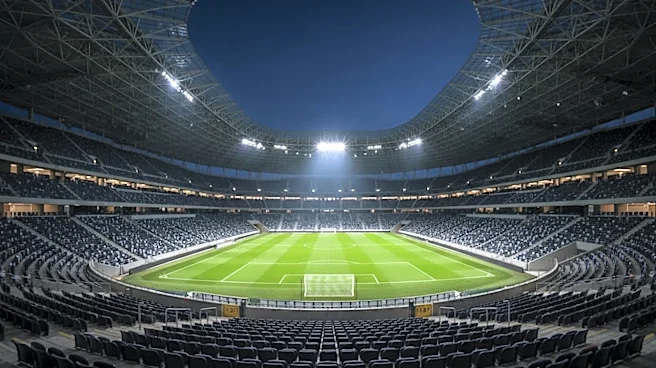
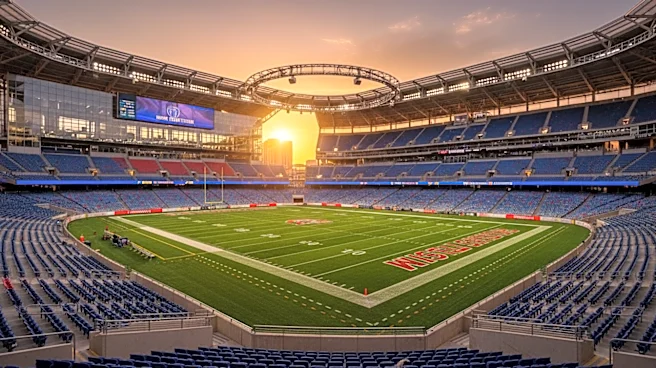
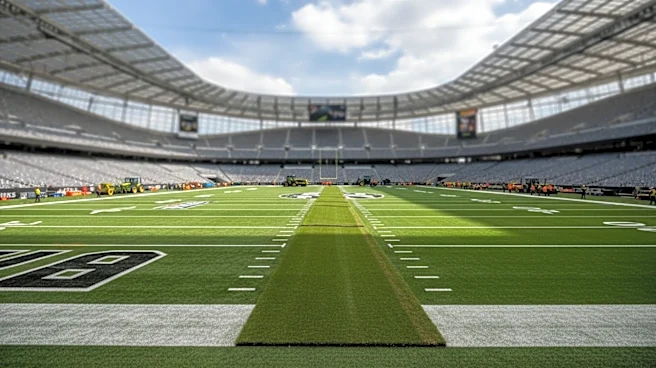
The most telling feature of this World Cup is where the games are being played. Of the 11 host venues in the United States, every single one is the primary home of an NFL team. These aren't just stadiums; they are modern palaces of American football like
Dallas' AT&T Stadium, Los Angeles' SoFi Stadium, and New York/New Jersey's MetLife Stadium, the site of the final. While impressive, these venues were designed for the stop-start, high-impact spectacle of the NFL, not the flowing rhythm of soccer. This required significant and costly modifications, from removing thousands of seats to widen the fields to installing natural grass over artificial turf, a process that has already drawn complaints from players about pitch quality. It sends a clear message: in America, soccer is a guest in the house that football built.
A Coast-to-Coast Spectacle
The geographic spread of the U.S. venues is staggering, creating a tournament defined by air travel and logistical challenges. With host cities from Seattle to Miami and Boston to the San Francisco Bay Area, teams and fans will traverse thousands of miles and multiple time zones. This coast-to-coast footprint is a departure from more compact tournaments of the past, like Qatar 2022. The vast distances reflect America's sheer scale, but they also highlight a transportation infrastructure built around cars and planes, with public transit to many stadiums being an afterthought or prohibitively expensive. This sprawling map ensures a nationwide event but at the cost of the convenient, city-hopping fan experience seen in many previous World Cups.
The American Fan Experience
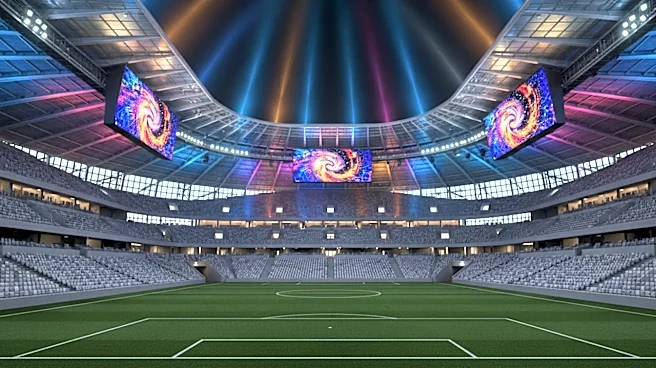
Hosting the tournament in state-of-the-art NFL venues means a specific type of fan experience is baked in. These stadiums are marvels of modern engineering, designed to maximize revenue through corporate suites, high-tech amenities, and a wide array of concessions. Venues like Mercedes-Benz Stadium in Atlanta and SoFi in Los Angeles are known for their massive video boards and premium seating options. This commercialized approach prioritizes a polished, comfortable, and highly produced event over the raw, organic atmosphere found in many of the world's iconic soccer cathedrals. The focus is less on historic grounds and more on delivering a modern American sporting spectacle, for better or worse.
What's Missing? The Soccer-Specific Soul
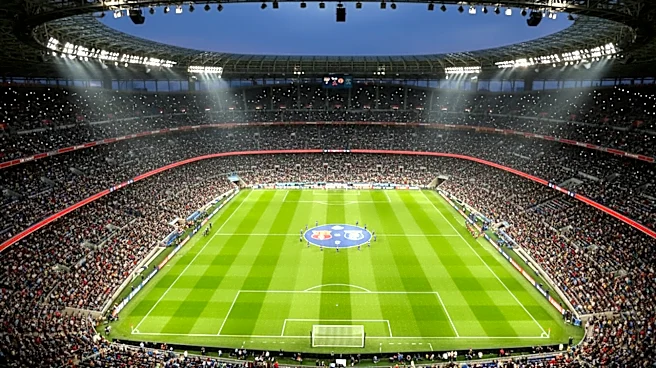
Perhaps what makes the list feel most American is what’s absent. The United States has spent the last two decades building dozens of soccer-specific stadiums for its professional league, Major League Soccer. These venues are typically smaller, more intimate, and designed with soccer sightlines and supporter culture in mind. Yet, none of them made the final cut for the men's tournament. The decision to favor 70,000-plus seat NFL behemoths over these soccer-centric grounds underscores a strategic choice by FIFA and organizers. The goal is to maximize attendance and revenue, leveraging America's largest available infrastructure. While logical from a business perspective, it means the tournament will miss out on showcasing the authentic, grassroots soccer culture that has been steadily growing across the country for the past 30 years.