

The Era of Candid Moments
Scroll through street style photos from the 1980s, 90s, or even the early 2000s, and you'll notice a fundamental difference. The images feel caught, not staged. This was the era dominated by photographers like the legendary Bill Cunningham, who saw himself
as a fashion journalist documenting what people genuinely wore. Riding his bicycle through Manhattan, he wasn't interested in celebrities for their fame, but in the anonymous woman with a perfectly cut coat or a man who combined colors in a novel way. The subjects were often unaware of the camera, their outfits chosen for a day of dashing between shows or navigating the city, not for a scheduled photo op. This lack of performance is what makes these photos such a pure archive of style. It was about clothes being lived in, reflecting a person's true taste rather than a brand's marketing strategy.
An Education in Authenticity
The photography itself tells a story. The grainy texture, the unposed compositions, and the real-world backdrops all contribute to a sense of authenticity that has become a rarity. In these older images, you see the true beginnings of streetwear—a movement born from hip-hop and skate culture, defined by individuality and attitude before it was commercialized. This was fashion as self-expression, a far cry from today's influencer-driven landscape where head-to-toe gifted looks are the norm. The photographers of the past were documentarians of emerging trends, often spotting what would be popular seasons in advance simply by observing the streets. They captured the zeitgeist, showing how fashion mirrored the times, from the power shoulders of the 80s to the gritty minimalism of the 90s.
The Blueprint for Modern Trends
Ironically, the hyper-curated fashion world of today constantly looks to this uncurated past for inspiration. The 90s and Y2K aesthetics that now dominate runways and social media feeds are direct descendants of the styles seen in these old photographs. The oversized blazers, the slip dresses, the baggy denim, and the experimental layering were not invented on a mood board; they were pioneered on the streets of New York decades ago. Designers and stylists continually reference these archives because they represent a moment when style felt more organic and personal. These photos are a reminder that fashion is cyclical. The trends we see re-emerging today look fresh precisely because they are being pulled from a time when style felt less calculated and more instinctive.
What Was Lost (and What We Still Crave)
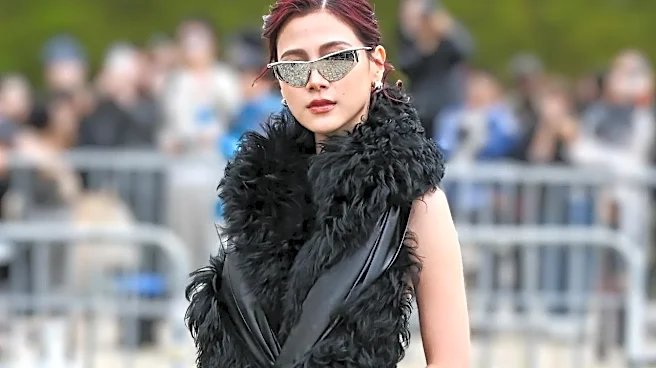
Comparing old NYFW photography to the modern-day spectacle reveals what has been lost: a sense of discovery. Today, the street style scene outside major shows is a highly-produced affair, often described as a circus. Photographers and influencers are locked in a symbiotic, commercial relationship where visibility is currency. Many influencers are paid to wear specific outfits, turning the sidewalk into an extension of the runway and a platform for advertising. While this has democratized fashion in some ways, it has also diluted the raw creativity that made early street style so compelling. The enduring appeal of those older photos lies in their honesty. They capture a time when the most influential fashion statement was not who you were wearing, but how you wore it.