







The Illusion of Absolute Control
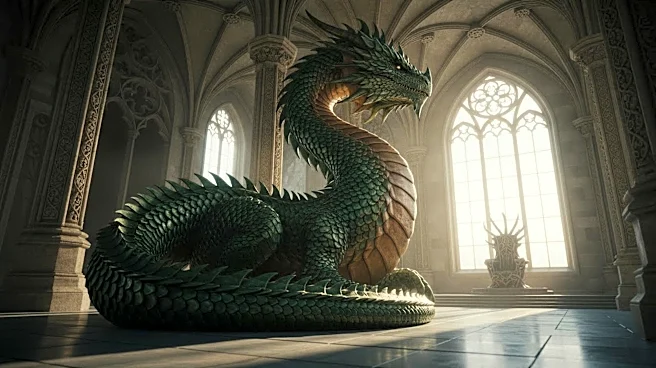
King Viserys warned his daughter Rhaenyra of the central fallacy of their family’s power: “The idea that we control the dragons is an illusion.” This single truth has become the driving theme of the Targaryen civil war. Dragons are not simply living siege
weapons to be aimed and fired; they are intelligent, willful creatures bound to their riders by a mystical connection. This bond is a two-way street. While a rider’s command can direct a dragon, the dragon’s own instincts, temperament, and history can influence its actions. As the war demands increasingly brutal acts, the finale will test which of these bonds is strong enough to withstand the pressure and which will shatter under the weight of a crown.
Rhaenyra and Syrax: A Bond of Hesitation
Queen Rhaenyra’s connection with her dragon, Syrax, is one of the longest-standing, but it’s also one of the most sheltered. While she and Daemon once raced their dragons for sport, Rhaenyra has largely kept Syrax out of direct combat. This reflects her own character; throughout the war, she has been a reluctant combatant, haunted by the cost of victory. Unlike her rivals, she questions the brutal necessities of her claim. Does Syrax share this hesitation? A dragon that has not been conditioned for the horrors of war may balk at the very commands Rhaenyra must give to win. Her struggle to be the ruthless queen her faction needs could be mirrored in a dragon that is more companion than killer, potentially costing her everything in a decisive moment.
Aemond and Vhagar: A Pact Forged in Bloodlust
In stark contrast is Aemond Targaryen and the ancient, formidable Vhagar. Their bond was forged in defiance and sealed with the death of Lucerys Velaryon—an act Aemond seemingly did not fully intend, proving Viserys's point about control. Yet, since that moment, Aemond and Vhagar have become the Greens’ most terrifying weapon. Vhagar, a veteran of a hundred battles, is a crotchety and aggressive beast, qualities Aemond shares. He doesn't command Vhagar as much as he unleashes her. While this makes him incredibly dangerous, it also makes him a liability. His strategic mind is often eclipsed by his thirst for vengeance. He may believe he wields the world’s most powerful dragon, but he might just be a passenger on a wave of destruction he can no longer steer.
Aegon and Sunfyre: Loyalty Above All
Perhaps the purest bond lies between King Aegon II and his golden dragon, Sunfyre. While Aegon is often portrayed as an unworthy and petulant king, his connection with Sunfyre is described as exceptionally strong. Sunfyre is fiercely loyal to Aegon, fighting with a desperation that reflects his rider's own struggle for survival and legitimacy. This bond is less about shared temperament and more about absolute devotion. In a war where human loyalties shift like sand, the unwavering allegiance of a dragon like Sunfyre is a significant asset. Aegon may lack Rhaenyra’s claim and Aemond’s strategic mind, but his dragon's singular loyalty could prove to be a powerful and decisive force.
The Wild Cards: New Riders and Untested Bonds
The war has forced both sides to seek new riders, leading to the rise of the so-called “dragonseeds.” These are individuals with Targaryen ancestry who have claimed riderless dragons. This introduces a volatile new element into the conflict. Bonds with dragons like Vermithor and Silverwing are new and untested. Will these new riders, motivated by ambition rather than birthright, remain loyal to Rhaenyra's cause? Their dragons are powerful, but the trust between them and their newfound masters is unproven. A dragon refusing a command or a rider switching allegiance could instantly turn the tide of a critical battle, making these new pairings the ultimate wild cards in the war's final act.