



The Slow Death of the Suit
The era of the mandatory suit and tie on Wall Street has been winding down for years. In a landmark move, Goldman Sachs announced a "firm-wide flexible dress code" back in 2019, acknowledging the shift toward more casual work environments. This was a significant
signal from a bank historically known for its formal, white-shoe image. The firm cited the changing nature of the workplace and a younger workforce—with over 75% of its employees being Millennials or Gen Z—as key drivers for the change. The pandemic then hit the accelerator, normalizing work-from-home comfort and making a full return to stuffy suits feel archaic. While suits are still essential for high-stakes client meetings or formal pitches, the day-to-day uniform has irrevocably changed. The new code, however, is anything but simple. Vague instructions to “dress appropriately” and use “good judgment” have replaced strict rules, creating a new set of unwritten standards that can be even harder to navigate.
The Rise of 'Power Casual'
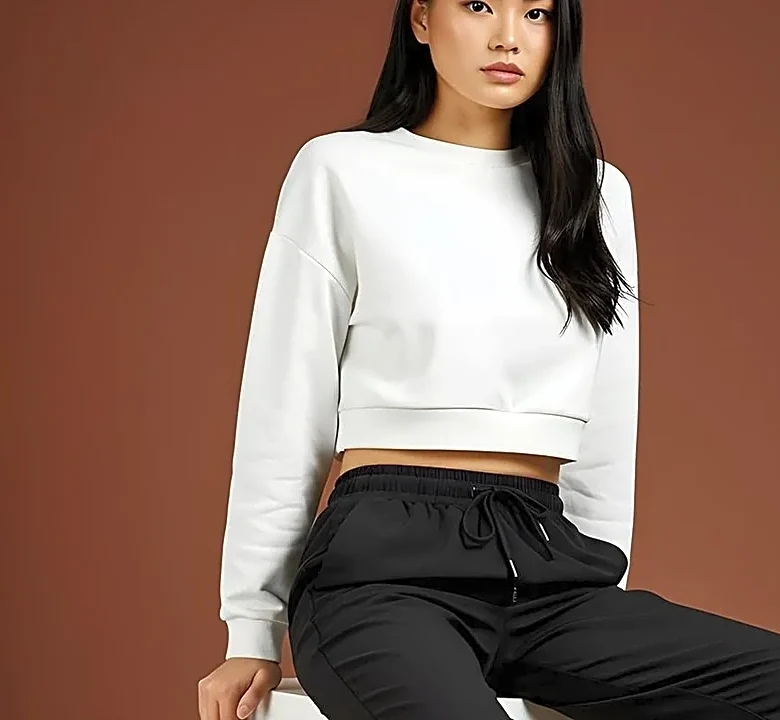
The new default setting is a style often called "power casual." This isn't your average business casual; it's a carefully curated blend of comfort and high-end polish. Power casual fuses the ease of casual wear with the authority of formal attire, projecting an image of effortless competence. For men, this translates to expensive knitwear, tailored trousers from brands like Bonobos, and often, the ubiquitous fleece or puffer vest. For women, it involves mixing smart, structured pieces with more relaxed items, like pairing a tailored blazer with high-quality denim or wearing elegant flats instead of heels. The philosophy is about investing in versatile, impeccably made staples that transition seamlessly from the office to after-work engagements. It’s less about a rigid uniform and more about signaling status through superior fabric, fit, and finish.
Decoding the 'Midtown Uniform'
Walk through Manhattan's Financial District, and you'll inevitably spot the "Midtown Uniform." It consists of a button-down shirt (often from Brooks Brothers), slacks, and the defining element: a fleece or puffer vest, frequently from Patagonia or Arc'teryx, often branded with the company's logo. This look became a tribal signifier for men in finance and tech, a practical solution for commuting through the city and working in climate-controlled offices. While satirized on social media accounts, the uniform serves a real purpose, signaling inclusion within a specific professional class. Wearing the vest suggests you've achieved a certain status where you're no longer required to be in a client-facing suit all day; you're part of the analytical engine of the firm.
Quiet Luxury and Status Signifiers
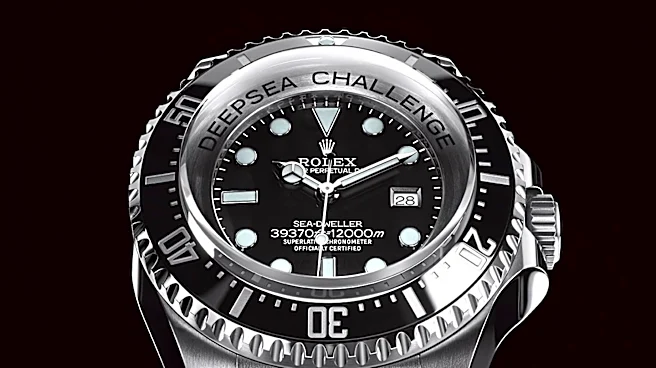
In the absence of a formal suit-and-tie hierarchy, status is now communicated through subtler, often more expensive, means. The focus has shifted to "stealth wealth" brands that are recognized by those in the know but don't scream their price tags. Think ultrafine cashmere sweaters from Brunello Cucinelli or Loro Piana, and perfectly tailored pieces from Tom Ford or Brioni. Accessories have become paramount. For men, the tie has been replaced by the luxury watch as the primary status symbol. An analyst might wear a more accessible luxury brand like Omega or TAG Heuer, while a Managing Director is more likely to sport a Rolex (the Submariner and DateJust are common choices) or even a Patek Philippe. Footwear is another key indicator, ranging from classic leather dress shoes to high-end minimalist sneakers from brands like Common Projects, signaling a modern, less rigid approach to corporate life.