

Understanding the Raw Material
Adapting a book or even a comic for the screen comes with a built-in roadmap: characters, a plot, a defined world. Adapting a Creepypasta is like adapting a ghost story told around a campfire. These stories, born on internet forums and message boards,
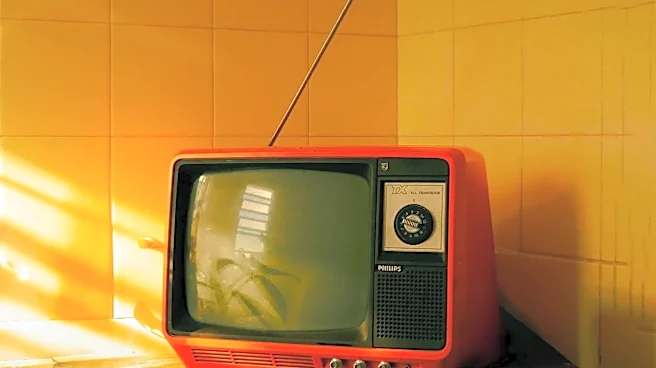
are often short, anonymous, and intentionally vague. Tales like 'Candle Cove'—the basis for the show's first season—existed only as a series of forum posts from people recalling a disturbing children's puppet show that may or may not have been real. There’s no B-plot, no character arcs, just a brilliantly unsettling concept. This lack of substance is a creative trap, but for 'Channel Zero,' it became its greatest asset.
The 'Fan Fiction' Philosophy
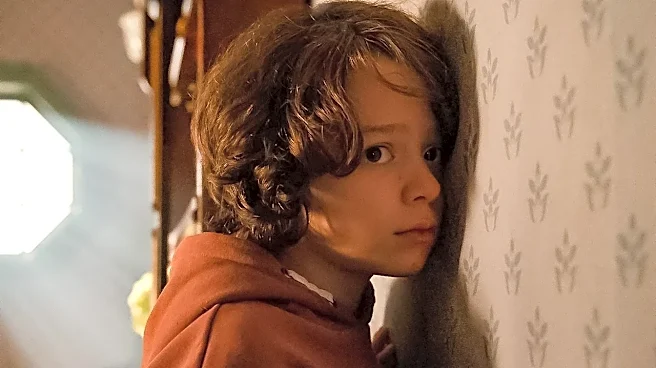
Showrunner Nick Antosca, who previously worked on the stylistically daring 'Hannibal,' approached the series not as a direct adaptation but as what he called “large-scale fanfiction.” The goal wasn't to just film the original posts. Instead, his team treated the core idea of each Creepypasta as a powerful premise to build upon. For 'Candle Cove,' they invented a protagonist, a town haunted by its past, and a deep, personal mythology connecting the horrifying puppet show to a set of childhood murders. Antosca cited films like 'The Shining' and 'Apocalypse Now' as inspirations—adaptations that captured the mood of the source material while becoming their own distinct works of art. This strategy allowed the show to take a simple, spooky idea and give it the emotional and narrative weight required for a six-hour season.
A Masterclass in Atmosphere
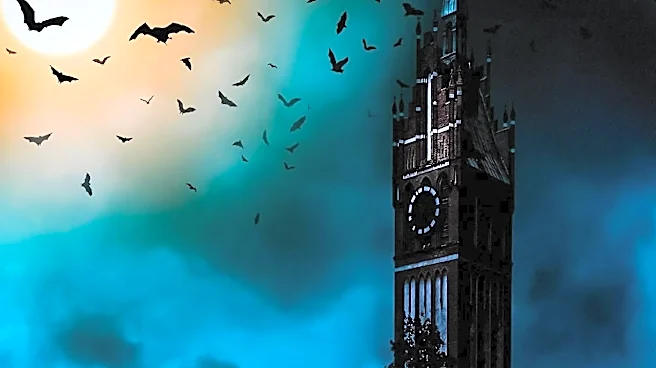
More than plot, 'Channel Zero' was driven by an almost suffocating sense of dread. The series prioritized psychological horror and surreal, unforgettable imagery over the cheap jump scares common in TV horror. Critics and fans consistently praised its patient, skin-crawling tone, which felt closer to high-minded horror films than its television peers. The first season’s “Tooth Child,” a creature made entirely of human teeth, became an iconic monster precisely because it was so bizarre and unnerving. This focus on “nightmare logic” over traditional storytelling gave the flimsy internet legends a visual and thematic heft they never had on the page. The horror came from the unsettling mood and the characters' psychological unraveling, making the supernatural elements feel more grounded and terrifying.
The Perfect Format for Fleeting Lore
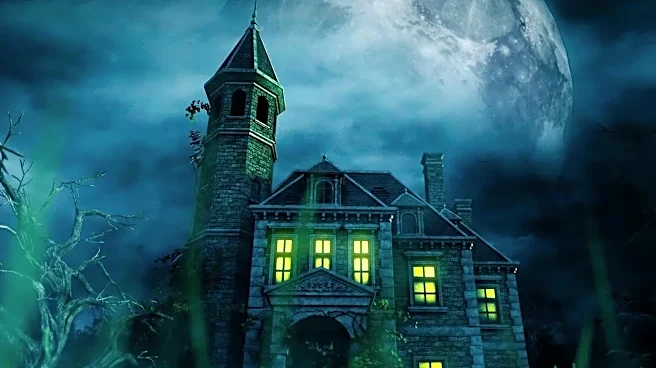
The show's anthology format—a new story each season—was perfectly suited to its source material. Creepypastas are self-contained and disposable by nature; they exist to deliver one chilling idea and then fade away. By dedicating a single, six-episode season to each story, 'Channel Zero' mirrored this structure. It gave each concept, like the haunted 'No-End House' of season two, enough room to breathe and develop without overstaying its welcome. This prevented the core ideas from being stretched thin, a common pitfall for high-concept shows. Each season offered a complete, satisfying narrative, allowing the series to constantly reinvent itself with a new director and a new brand of terror, from folk horror to body horror.