






The Rebellious Rebrand
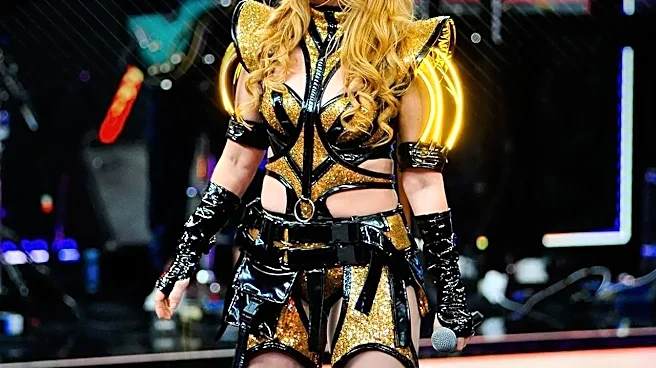
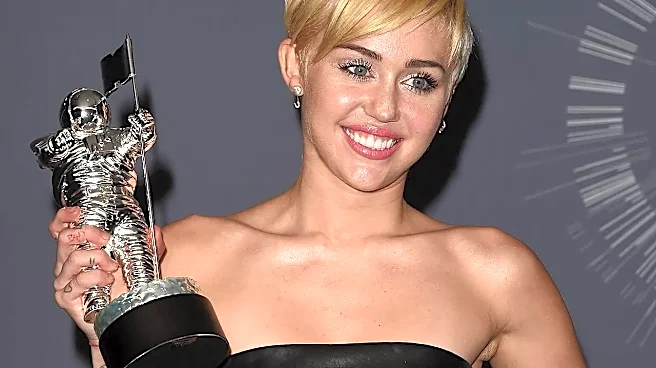
Nothing says 'I'm not that innocent' quite like a dramatic hair change on the VMA stage. It's the quickest way for a pop star to shed a squeaky-clean image and signal a move into more adult territory. The most explosive example remains Miley Cyrus at the 2013
VMAs. Fresh off her Disney Channel fame, she had already chopped her long brown hair into a platinum blonde pixie cut, but her performance sealed the deal. Sporting tiny, Gwen Stefani-esque mini buns, she delivered a provocative performance that dominated headlines and definitively closed the chapter on her Hannah Montana persona. The hair, combined with the infamous foam finger, was a visual declaration of a new, rebellious era. It was a calculated risk designed to shock audiences and announce that the child star was gone for good.
Announcing a New Musical Era
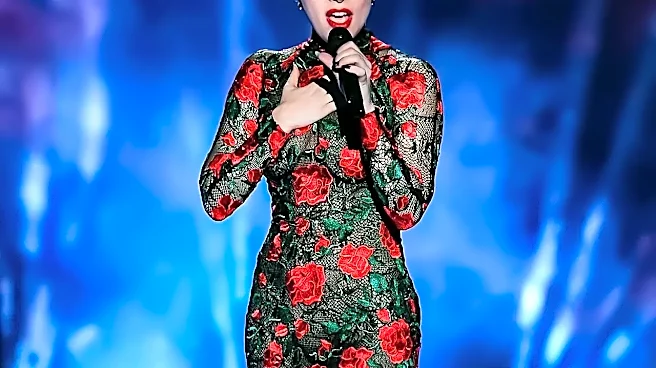
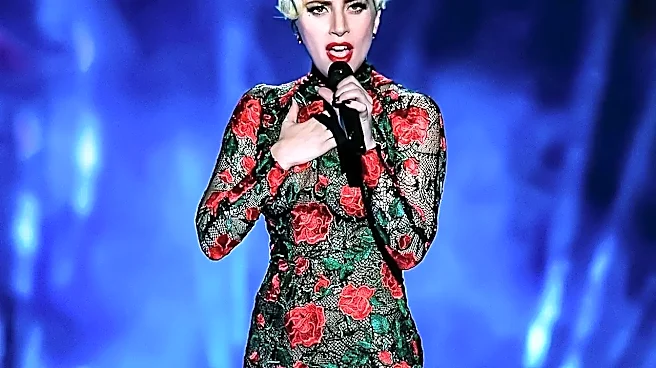
For many artists, a new album cycle is a complete aesthetic overhaul, and the VMAs are the perfect launchpad. Hair becomes a key part of the new character or theme. Lady Gaga is the undisputed master of this strategy. Over the years, she has used the VMA platform for countless transformations, from her avant-garde silver and turquoise hair in 2010 to her gender-bending turn as her male alter ego, Jo Calderone, in 2011. These weren't just style choices; they were extensions of her musical projects. Her numerous, rapid-fire outfit and wig changes during the 2020 and 2013 shows were a form of performance art, visually representing the multifaceted nature of her albums like Chromatica and Artpop. By tying a distinct look to a new sound, artists create a powerful and memorable marketing message that hair is the billboard for what's coming next.
A Symbol of Personal Reclamation
Sometimes, a hair change isn't about an album; it's about taking back the narrative. After a public struggle, scandal, or breakup, a new hairstyle can be a powerful symbol of resilience and control. Britney Spears' VMA history is a masterclass in this. After her widely criticized 2007 performance during a tumultuous personal period, her return to the VMA stage in 2008 was a deliberate reset. She appeared looking healthy and confident to accept three awards for "Piece of Me," a song about the pressures of fame. Her hair and overall presentation were polished and strong, a stark contrast to the previous year. This comeback moment, solidified by her receiving the Video Vanguard Award in 2011, used her appearance to telegraph strength and stability, demonstrating that she was back in charge of her own story.
The Bigger Picture
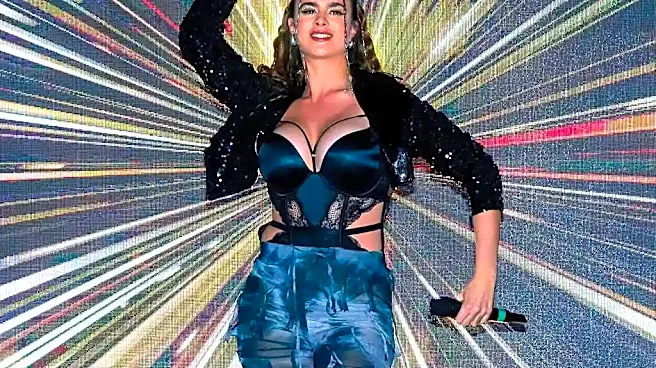
Ultimately, the VMA hair change is a reminder that in the world of pop superstardom, nothing is accidental. A new cut, color, or style is a carefully chosen piece of a much larger branding puzzle. It works in tandem with the fashion, the interview soundbites, and the performance itself to craft a specific narrative. Psychologically, a significant change in appearance provides a sense of a fresh start, a way to shed the past and control one's public identity. Whether it's Pink’s spiky pink hair telegraphing her punk-rock attitude in 2000 or Taylor Swift's sleek, modern styles marking her transition from country sweetheart to pop powerhouse, the hair is a critical tool. It’s a visual shorthand that communicates ambition, rebellion, or renewal in a single, powerful image that can define a career for years to come.