


The Allure and the Problem
First, let’s acknowledge the appeal. The slip dress, in all its slinky, bias-cut glory, feels effortlessly chic. It evokes images of Kate Moss in the '90s or modern style icons who can throw one on and look instantly polished. It’s light, airy, and perfect
for a warm summer day. The problem is, Royal Ascot is not just any summer day. It’s a formal affair steeped in over 300 years of tradition, complete with a notoriously specific dress code. The very qualities that make a slip dress so appealing—its barely-there straps, lingerie-inspired origins, and often-clingy fabric—are the exact things that put it at odds with Ascot’s rigid requirements. A gust of wind, a spot of rain, or simply the wrong undergarments can turn an ethereal look into a fashion faux pas. It’s a garment designed for intimate evenings or casual cool, not the pomp and protocol of the Royal Enclosure.
Decoding the Dress Code
To understand the slip dress’s shortcomings, you have to understand the rules. For the prestigious Royal Enclosure, the guidelines are crystal clear. Dresses and skirts must be of “modest length,” defined as falling just above the knee or longer. Straps for dresses and tops must be at least one inch wide. Spaghetti straps, halter necks, and strapless styles are explicitly forbidden. Sheer fabrics are a no-go. While other enclosures are slightly more relaxed, the spirit of formality remains. A classic slip dress, with its shoestring straps and sometimes-revealing satin sheen, fails on at least one, if not all, of these counts. It reads as informal ‘underwear as outerwear,’ a trend that simply doesn’t fly when you’re curtsying to royalty.
The Answer: Structure is Everything
So, how do you capture the elegant simplicity of a slip dress while respecting the rules and occasion? The answer is structure. This doesn’t mean abandoning clean lines for frou-frou embellishments. Instead, it means choosing garments with built-in shape, intention, and tailoring. Structure provides the polish and decorum that a flimsy slip lacks. It’s the sartorial backbone that transforms a simple silhouette into a statement of refined elegance. This can be achieved through fabric, cut, and clever layering—turning a potential problem into a sophisticated triumph.
Fabric with Form and Intention
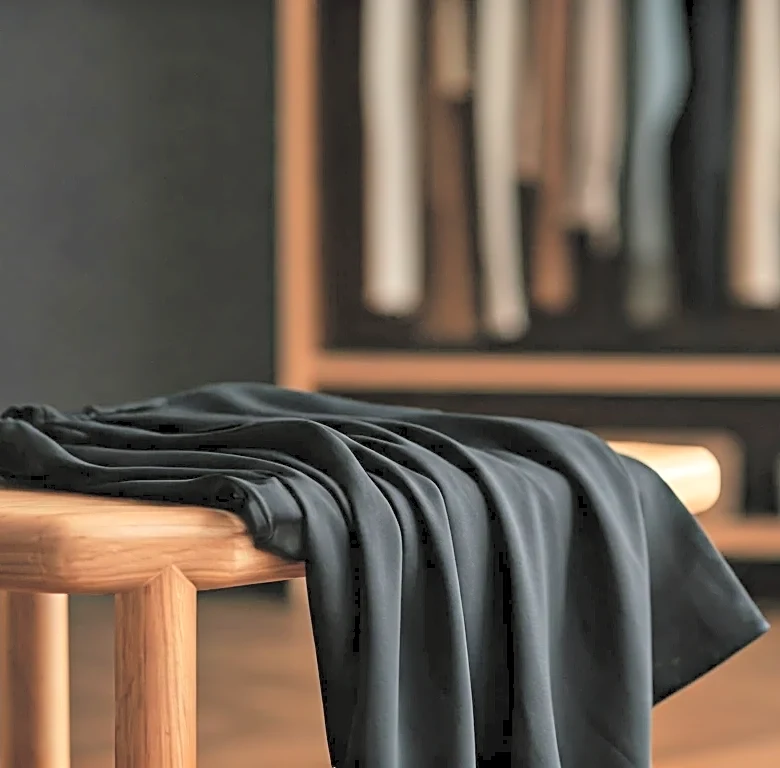
The first step is moving away from thin, unforgiving satin. A dress in a similar column or A-line silhouette but crafted from a more substantial material instantly feels more formal. Think bonded crepe, silk faille, or a structured cotton jacquard. These fabrics have body; they hold their shape, skim the figure rather than cling to it, and are less prone to wrinkling throughout a long day of socializing and spectating. A heavier fabric supports a wider, one-inch strap naturally, making it look like an integral design feature rather than a forced requirement. It has a presence that whispers ‘day dress,’ not ‘nightgown.’
Tailoring, Bodices, and Defined Waists
The second element of structure is tailoring. Instead of a dress that simply hangs from the shoulders, look for one with a defined bodice. Details like darts, boning, or a corseted top provide shape and support, elevating the entire look. A dress with a seamed waistline creates a more formal, put-together silhouette than a simple, straight-down column. These built-in architectural elements do the work for you, ensuring the garment looks crisp and intentional from morning to evening. They honor the spirit of the slip dress—its clean lines and understated feel—but ground it in the world of high-end daywear, making it perfectly appropriate for Ascot’s demanding environment.
The Power of a Third Piece
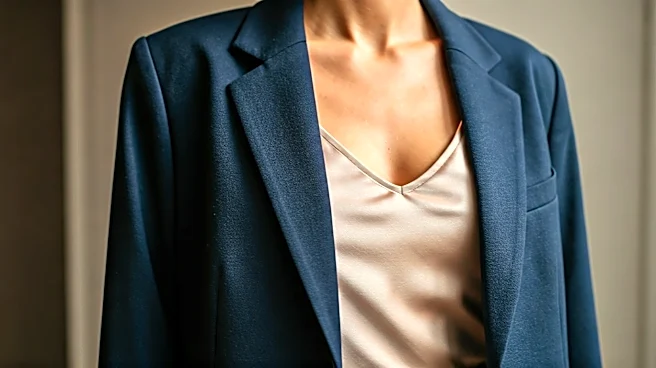
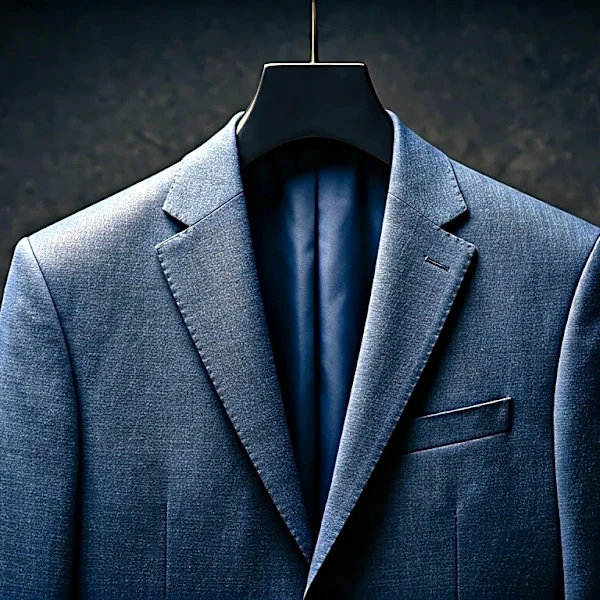
Finally, if your heart is set on a simpler dress, the solution is a beautifully tailored third piece. A structured blazer, a cropped bouclé jacket, or even an elegant, lightweight coat can instantly solve the strap problem while adding a layer of sophistication. This is the oldest trick in the book for a reason. The jacket provides the required formality and shoulder coverage, allowing for a simpler dress underneath. For a modern twist, a full trouser suit—now permitted in the Royal Enclosure—offers the ultimate in structured chic, proving that you don’t need a dress at all to make a powerful style statement.