
The Ghost of Folk Past
First, let's acknowledge the history. The Newport Folk Festival, founded in 1959, is steeped in a legendary past. It was the epicenter of the American folk music revival, a stage where Pete Seeger and Joan Baez became icons and where Bob Dylan famously
“went electric” in 1965, a moment that altered music history. For decades, its name was synonymous with a specific sound: acoustic guitars, protest songs, and traditional American ballads. This history is potent and gives the festival its deep cultural roots. It’s the reason the “folk purist” perception exists and why, for some, the festival remains forever frozen in that iconic black-and-white era. But clinging to that image today is like trying to navigate with an old, folded map when a live GPS is in your pocket.
A Lineup Beyond Labels
The quickest way to understand modern Newport is to look at who plays there. In recent years, the lineups have become a glorious, genre-bending celebration of music. The 2026 festival, for instance, featured artists like R&B legend Ms. Lauryn Hill, Rage Against the Machine guitarist Tom Morello, and Paramore’s lead singer Hayley Williams alongside more traditional folk-adjacent acts. The festival has welcomed funk supergroups like The Fearless Flyers, alternative rock bands like Wednesday, and indie-pop singers like Lizzy McAlpine. This isn't a recent, tentative dip into other genres; it's a full-blown embrace. Irish pop artist CMAT even told the crowd during her 2026 set that she was not a folk singer but that the music was a huge part of her life. This intentional curation proves the festival is less concerned with rigid genre definitions and more interested in powerful, authentic artists, regardless of their sound.
It's an Ethos, Not a Genre
So if it's not strictly “folk,” what is it? The festival's organizers and longtime fans will tell you that “folk” is now an ethos. It’s about storytelling, community, and activism—themes that have been central to the festival since its inception. Tom Morello's fiery guitar work is an extension of his activism, a core tenet of folk history. The festival still has a strong current of social justice, carrying on the tradition of protest songs in a modern context. Furthermore, the spirit of Newport thrives on collaboration. It is famous for its surprise guests and once-in-a-lifetime on-stage team-ups. One recent festival saw Hayley Williams bring out a dozen guests, including Jack Antonoff and Lucy Dacus, for a massive collaborative finale. Another year, Joni Mitchell made a surprise return to the stage for her first full public performance in two decades. These moments of connection and spontaneity are the new definition of “folk” at the Fort.
The Magic of the Fort
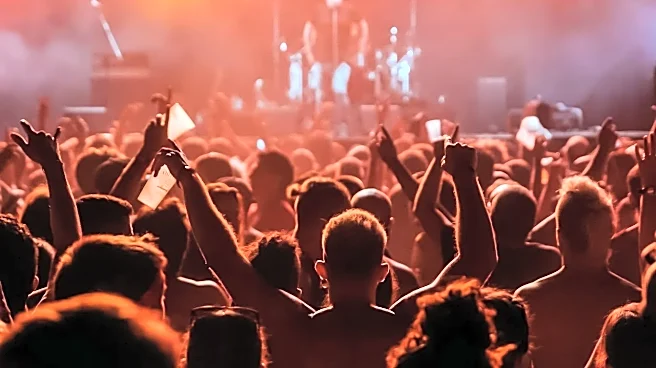
Beyond the lineup, the experience itself transcends genre. Held at Fort Adams State Park, the festival’s seaside location and intimate feel create a unique atmosphere. There’s a palpable sense of community and respect among the attendees, who are known for being there for the music above all else. It’s a place where fans snatch up tickets before the lineup is even announced, trusting the curators to deliver an exceptional experience. This unique environment, from the main stages to the tiny, pedal-powered Bike Stage, fosters a sense of discovery. You might come to see a headliner you love but leave with a new favorite artist you stumbled upon at a smaller stage. This shared journey of musical discovery is central to the Newport identity, binding together fans of every genre.