


First, What Exactly Is the Brazilian Cut?
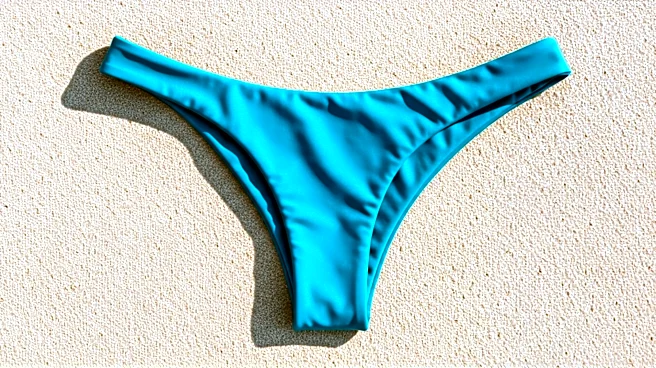
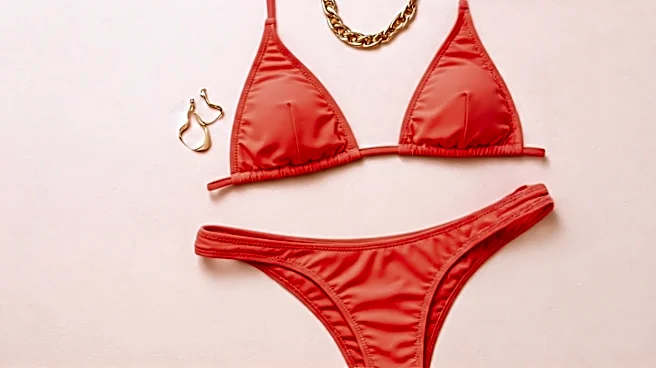
Before diving into the debate, let’s define our terms. The Brazilian-cut bottom is the cheeky middle ground of swimwear. It offers significantly less coverage than a traditional American full-coverage bikini bottom but more than a G-string or thong. Designed
to sit high on the hips, it creates a heart-shaped silhouette that accentuates curves. Its name gives away its origin story: the style exploded in popularity on the sun-drenched beaches of Rio de Janeiro in the 1970s and 80s, where confidence and celebrating the body were paramount. Unlike its skimpier cousin, the thong (or *fio dental*—dental floss—in Brazil), the Brazilian cut was designed for a broader audience, becoming a staple of South American beach culture before making its way north.
The Argument for Empowerment and Aesthetics
For designers and devoted fans, the Brazilian cut is the ultimate expression of body confidence. At Miami Swim Week, a city heavily influenced by Latin American culture, this perspective reigns supreme. Proponents argue that the cut is actually more flattering on a wider range of body types than full-coverage bottoms, which can sometimes flatten or awkwardly bisect the rear. By exposing more skin, it lengthens the legs and highlights natural curves. In the context of the shows, it’s seen as modern, sexy, and empowering—a rejection of more puritanical American norms around modesty. For many brands, offering a cheeky or Brazilian option isn't just a trend; it's a non-negotiable part of their collection, catering to a customer who isn’t afraid to show off her body.
The Pushback: Hyper-Sexualization or Just Impractical?
On the other side of the debate are the critics, buyers, and consumers who find the trend exhausting. The primary critique is that the near-universal presence of the Brazilian cut promotes a singular, hyper-sexualized ideal of the female body—one that is perpetually toned, tanned, and “Instagram-ready.” Some argue that while it’s presented under the banner of empowerment, it can feel exclusionary for those who aren’t comfortable with that level of exposure. Then there’s the question of practicality. Many women point out that a tiny slip of fabric isn't ideal for, say, playing beach volleyball or swimming in actual waves. This faction of the industry wonders if the runway’s obsession with the Brazilian cut reflects real-world consumer desires or simply a feedback loop catering to social media influencers and the Miami party scene.
More Than a Trend, It's Miami's Identity
The debate is particularly potent at Miami Swim Week because the Brazilian cut isn't just a fashion choice here—it's woven into the city’s cultural fabric. Miami is the unofficial capital of Latin America in the U.S., and its aesthetic is unapologetically bold, vibrant, and body-conscious. The beach isn’t just a place for a quiet afternoon; it’s a social stage, and fashion is part of the performance. While an editor from New York or a buyer from the Midwest might see the endless parade of cheeky bottoms as repetitive or niche, for the Miami market, it’s simply the standard. The recurring “debate” is often a clash between outside perspectives and this deeply ingrained local identity, where confidence is currency and the Brazilian bikini is its uniform.
So, Is the Debate Changing Anything?
In recent years, the conversation has evolved. The rise of the body positivity movement has put pressure on brands to do more than just offer a single, skimpy cut. While the Brazilian bottom still dominates the runway, many successful swimwear labels now make a point to showcase it on a more diverse range of body types, sizes, and ages. Furthermore, many collections now include a wider variety of bottom options—from the cheeky cut to high-waisted briefs and full-coverage styles. The debate hasn't led to the disappearance of the Brazilian cut. Instead, it has pushed the industry toward a more nuanced understanding of choice. The new ideal isn't about replacing one cut with another, but about providing a spectrum of styles so every woman can choose what makes her feel best.