
First, What Is This Look?
Imagine the home movies your parents shot in the ‘80s or a dusty reel of film discovered in an attic. That’s the vibe. The 16mm aesthetic isn't just about adding a "grain" filter over a digital image;
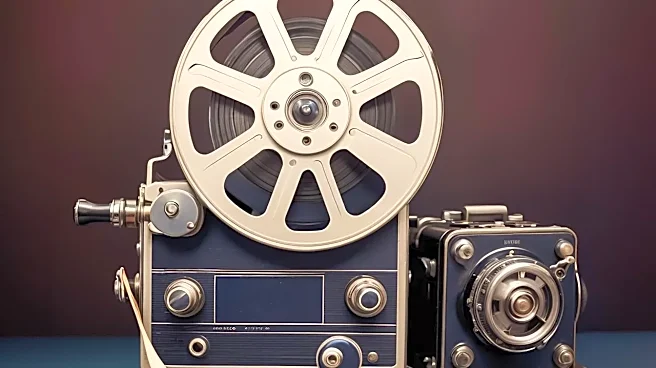
it’s a whole mood. True 16mm film, a smaller and more affordable gauge than the 35mm standard used for most Hollywood blockbusters, has a distinct personality. Colors are often more saturated but less precise, blacks are deep and murky, and the image is flecked with a visible, dancing texture called film grain. This grain is the result of physical silver halide crystals on the film strip itself. In a world of surgically clean digital cinematography, where every pore and pixel is visible, this analog texture feels raw, unpredictable, and deeply human. It’s the visual equivalent of a vinyl record’s crackle versus a soulless MP3.
A Nod to Horror History
This isn't the first time horror has embraced a low-fidelity look. In fact, it’s a return to the genre's roots. During the 1970s, 16mm was the go-to format for gritty, independent horror filmmakers who didn't have Hollywood budgets. Tobe Hooper’s original The Texas Chain Saw Massacre (1974) was shot on 16mm, and its raw, documentary-style feel is a huge part of what makes it so terrifyingly immediate. The film feels less like a polished movie and more like a horrific event you’re witnessing. This format became synonymous with grindhouse cinema—unfiltered, confrontational, and dangerous. By reviving this texture, modern filmmakers are tapping into a powerful lineage of horror that prioritizes raw atmosphere over polished production values, reminding audiences of a time when horror felt less manufactured.
The New Wave of Grainy Terror
This October, the trend is hitting a fever pitch, building on the foundation of recent breakout hits. Films like Skinamarink took lo-fi aesthetics to an extreme, submerging the viewer in a grainy, almost abstract nightmare that felt like a corrupted VHS tape from a haunted house. More recently, Late Night with the Devil masterfully recreated the look of 1970s live television, using the degraded video quality to sell its "found footage" conceit and make the supernatural events feel terrifyingly authentic. Now, indie directors and even some larger studios are adopting the style for their Halloween-season releases. They're realizing that in an age of slick, CGI-heavy horror, the most effective scare can come from something that feels imperfect, fragile, and disturbingly real.
The Psychology of Imperfection
So why does this work so well? It’s all about subverting our expectations. Our brains are now trained to associate high-definition digital video with fiction. It’s clean, it’s composed, it’s safe. But a grainy, unstable image triggers a different part of our psyche. It mimics the look of archival footage, newsreels, or found tapes, lending the story an unnerving sense of realism. This "analog horror" aesthetic suggests that what we are seeing wasn't shot by a film crew but captured by someone. The imperfections—the grain, the light flares, the soft focus—make the image feel more vulnerable and, by extension, make us feel more vulnerable watching it. In an era where AI can generate flawless video, this tangible, flawed texture acts as a stamp of authenticity, tricking our brains into believing, even for a moment, that the horror might just be real.