

The Power of Live Spectacle
At a basic level, our brains are simply wired to remember spectacle. A speech is an auditory experience, a monologue that asks us to listen and process. A musical performance, especially a hip-hop tribute, is a full-sensory event. It’s sound, sight, rhythm,
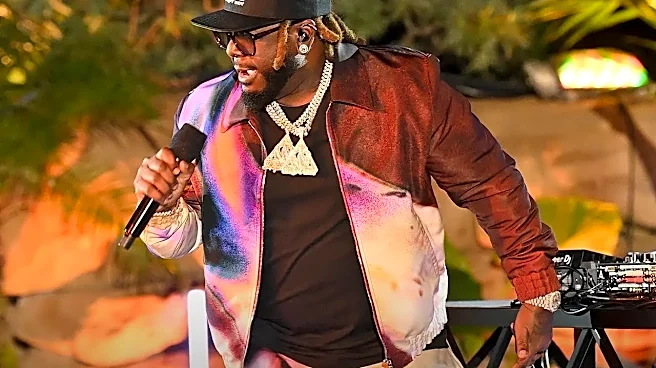
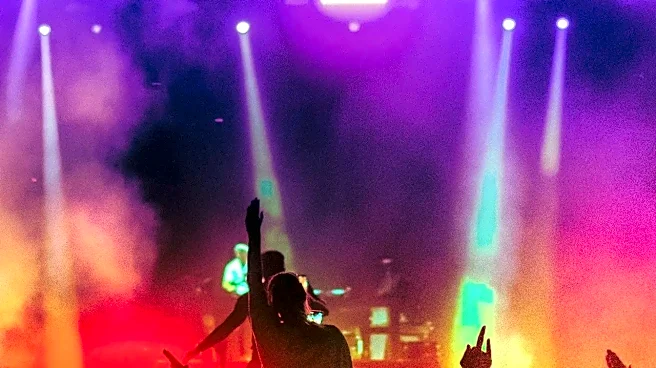
and raw energy combined. You don’t just hear a posse cut of legends paying tribute to a pioneer; you feel the bass, see the interplay between artists, and get swept up in the crowd’s reaction. While a presenter’s words might be heartfelt, they are competing with a visceral experience. The carefully orchestrated chaos of multiple MCs sharing a stage, the surprise reveal of a special guest, and the sheer volume and energy of a live band create a much deeper neurological imprint than a lone person at a podium.
A Celebration of Hip-Hop’s DNA
More than any other genre, hip-hop is built on collaboration. The relationship between the DJ and the MC, the posse cut, the guest feature, and the remix are not just industry tactics; they are foundational pillars of the culture. A presenter’s speech, while a standard part of any awards ceremony, is an imported format. The all-star tribute performance, however, is a direct extension of hip-hop itself. When artists from different eras and regions unite to perform an honoree's classic, they are participating in a tradition. The performance becomes more than just a cover song; it’s a living, breathing demonstration of the artist's influence, enacted in the genre's native language. It’s a cypher, a block party, and a history lesson rolled into one.
Crafting “Once-in-a-Lifetime” Moments
The producers of the Hip Hop Honors understood this perfectly. The show’s most iconic moments are almost always its sprawling, multi-artist tributes. Look no further than the 2016 “All Hail the Queens” show, where Queen Latifah brought together a massive ensemble of female MCs—including MC Lyte, Rah Digga, Eve, and Da Brat—for a powerful performance of “U.N.I.T.Y.”. The image of these women standing together was more impactful than any single speech could ever be. The same night, Teyana Taylor’s electrifying tribute to Lil' Kim became a star-making moment, perfectly capturing the Queen Bee’s essence. These weren't just performances; they were events. Fans still talk about the 2005 tribute to Big Daddy Kane, which saw T.I., Common, and Black Thought share the stage before Kane himself emerged to a roaring crowd. These are moments you can’t script, engineered to feel like you’re witnessing history.
Why Speeches Can’t Compete
This isn't to say the speeches are without value. They are moments of genuine gratitude and reflection. But they often follow a familiar rhythm: thanking the family, the label, the fans, and a higher power. They are personal, but rarely surprising. In contrast, the tribute performances are built on suspense and revelation. Who will perform? Which song will they choose? Will the honoree join them on stage? That element of surprise delivers a dopamine rush that a thank-you list simply cannot match. A speech honors the person, but the performance honors the work in a dynamic, celebratory way. It reaffirms why the artist is being honored in the first place by letting the music speak for itself, amplified by the respect of their peers.