





The Unwieldy Beast: The Camera Itself
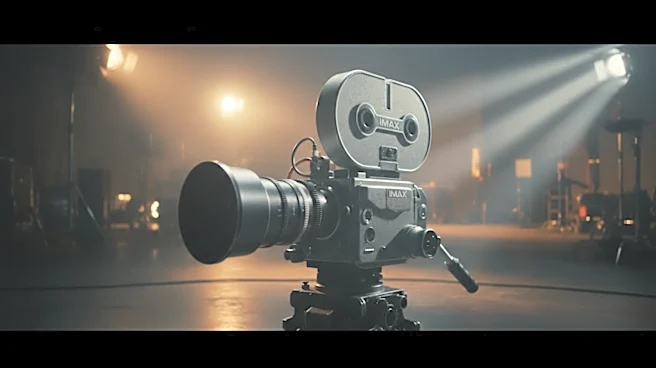
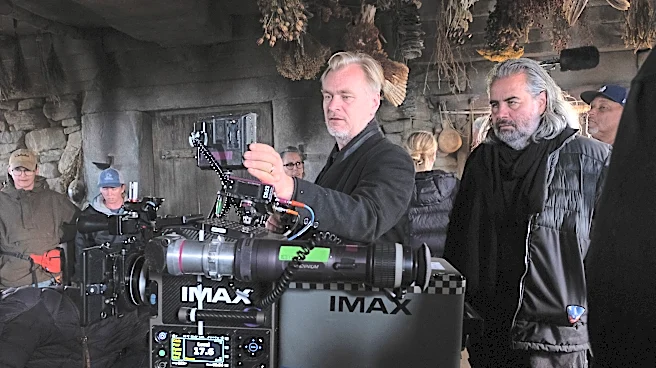
Forget the sleek, lightweight digital cameras of modern filmmaking. An IMAX film camera is a behemoth. Weighing over 200 pounds, and sometimes approaching 300 with sound-dampening gear, it's not a tool for casual, run-and-gun shooting. Its immense size
and weight require specialized rigging and a return to an older style of filmmaking, where camera placement is a major, deliberate event. This physical reality immediately dictates a more measured, less spontaneous approach. Directors can't simply decide to grab a quick, handheld shot; every frame is a calculated, resource-intensive decision, forcing a level of pre-planning that is less common in the digital age.
The Roar of the Machine: The Sound Problem
One of the most defining characteristics of an IMAX film camera is its noise. To pull the massive 15/70mm film stock across the gate at 24 frames per second, the camera employs a powerful motor and a vacuum system to keep the film perfectly flat, a process often compared to the sound of a lawnmower. This makes capturing clean, usable audio during quiet, dialogue-heavy scenes nearly impossible. Historically, this has been the main reason directors use IMAX only for loud action sequences. While some directors like Christopher Nolan famously prefer to use the on-set performance audio and avoid re-recording dialogue in post-production (a process called ADR), the camera's noise presents a huge challenge. Recent innovations, like sound-dampening enclosures called “blimps,” have made it more feasible to shoot intimate scenes, but these add even more bulk to the camera setup.
Every Second Is Liquid Gold: The Cost of Film
Shooting on digital is cheap; you can roll for hours. Shooting on IMAX film is the polar opposite. A standard 1,000-foot magazine of 15/70mm film holds only about three minutes of footage. This means a scene longer than three minutes requires a reload, which can interrupt the flow of a performance. This constraint has a profound psychological effect on set. Actor Tom Holland, working on an IMAX-shot film, initially thought the director was unhappy with his performance because of the frequent cuts, only to learn they were simply out of film. Each minute of film stock is incredibly expensive, so the luxury of doing dozens of takes vanishes. The shooting ratio—the amount of film shot compared to what's used—is necessarily much lower.
The Theater of Filmmaking: A New Rhythm for Actors
The combination of the camera's noise, the short takes, and the sheer physical presence of the machinery forces a different kind of performance. With fewer takes available, rehearsals become more critical. The process can feel more like live theater, where every performance has high stakes. Furthermore, the massive size of the sound-blimped camera can physically block actors from seeing each other in a two-shot. On the set of Christopher Nolan's The Odyssey, a system of mirrors had to be rigged to allow actors to maintain eye contact during dialogue scenes. Actors must deliver their lines with heightened projection to be heard over the camera's din and maintain their focus through constant, lengthy reloads.
The Payoff: Why Even Bother?
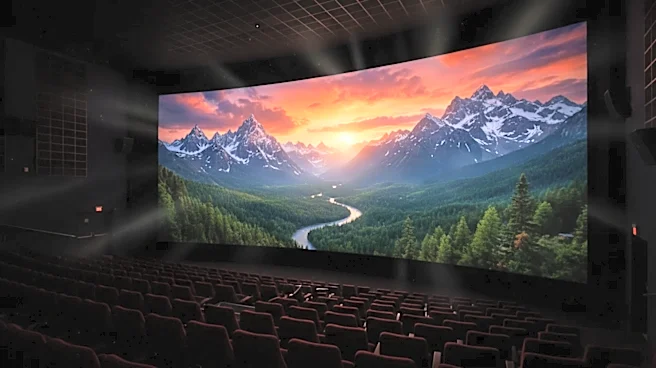
With all these monumental challenges, why would any filmmaker choose this format? The answer is on the screen. IMAX 15/70mm film provides a level of detail, clarity, and texture that is still considered the gold standard of image quality. The resolution is equivalent to a staggering 18K, dwarfing what even high-end digital cameras and home televisions can display. The unique, nearly square aspect ratio can fill a viewer's entire field of vision in a true IMAX theater, creating a deeply immersive experience that, as Nolan puts it, feels like “3D without the glasses.” It’s a format that trades convenience and efficiency for pure, unadulterated spectacle. The struggle on set becomes the magic on screen.