



The Soul of the Coat: Canvas
Before you even consider the wool, cashmere, or vicuña, the real secret to a coat’s life and body is its canvas. In mass-market clothing, the inner structure is typically a fusible interlining—a stiff fabric glued to the main cloth. It’s cheap, fast,
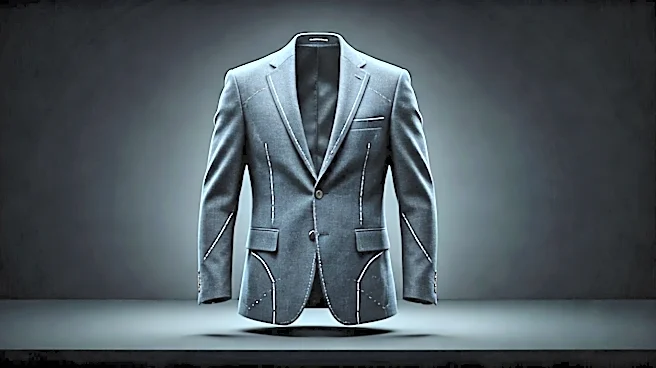
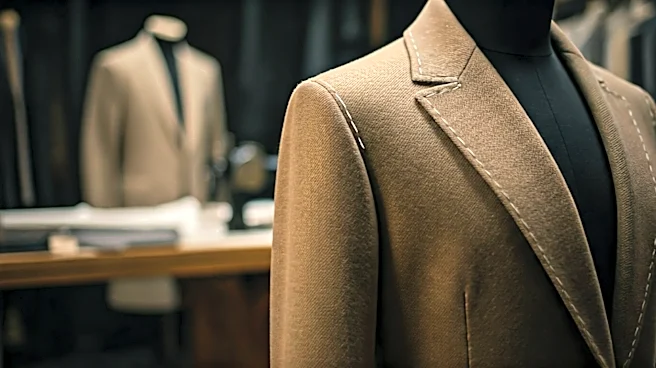
and creates a rigid, lifeless shape that bubbles and breaks down over time. A true runway-quality coat, however, is built on a ‘floating canvas.’ This is a separate layer, often made of horsehair and cotton, that is meticulously hand-stitched to the inside of the garment with thousands of tiny, loose stitches. This floating canvas isn’t fused; it moves independently, allowing the coat to mold to your body over time, like a second skin. It gives the lapels a perfect, gentle roll rather than a hard, flat press, creating a three-dimensional shape that holds its form for decades.
Shoulders: The Hanger of the Body
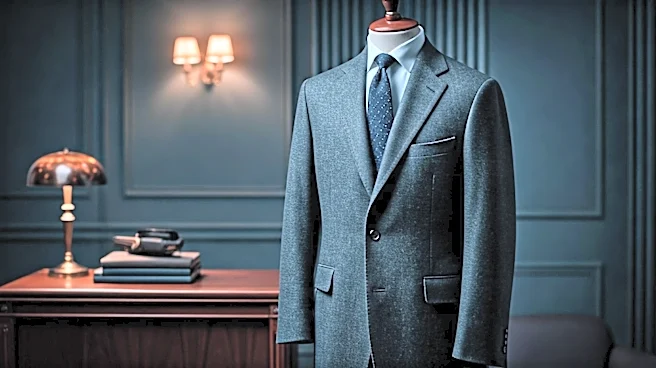
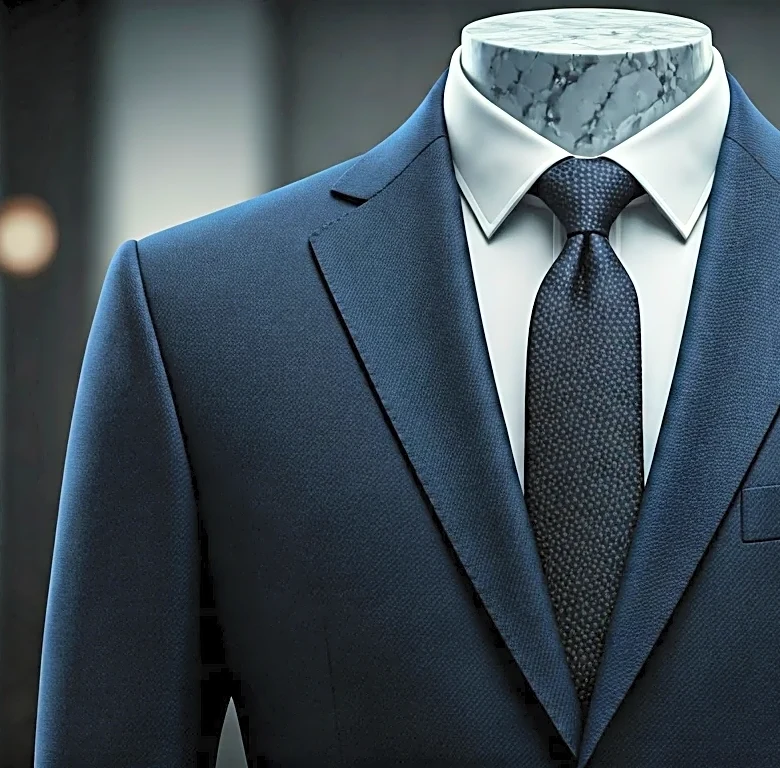
The difference between a good coat and a great coat often rests on the shoulders. A cheap coat might have bulky, one-size-fits-all foam pads dropped in. A Milanese masterpiece has shoulders that are sculpted. Italian tailoring, in particular, is famous for a softer shoulder construction. Instead of a heavily padded, aggressive line, you might find a 'spalla camicia' or “shirt shoulder,” where the sleeve is set into the armhole with a subtle shirring that allows for greater movement and a more natural drape. Even when a more structured shoulder is desired, the padding is minimal and artfully shaped. Inside, you’ll find ‘sleeve heads,’ which are small, soft pads of felt or cotton placed at the top of the armhole. They don't add bulk; they smooth the transition from the shoulder to the sleeve, preventing the fabric from collapsing and ensuring a clean, unbroken line.
Disappearing Darts and Seams
A dart is a simple fold sewn into fabric to help it conform to the body’s curves. On a lesser garment, darts are obvious and functional. On a high-end coat, they are masters of disguise. A designer’s goal is to create shape without interrupting the visual flow of the fabric. To achieve this, tailors will ‘hide’ the darts in plain sight. A bust dart might be rotated into a side seam, making it virtually disappear. A waist-shaping dart could be cleverly integrated into the line of a pocket flap or another design element. These aren’t just seams; they are engineering marvels. By manipulating where and how the fabric is shaped, a master tailor can create a sleek, form-fitting silhouette that appears to be made from a single, unbroken piece of cloth. The work is all there, but its success is measured by its invisibility.
The Perfectly Pitched Sleeve
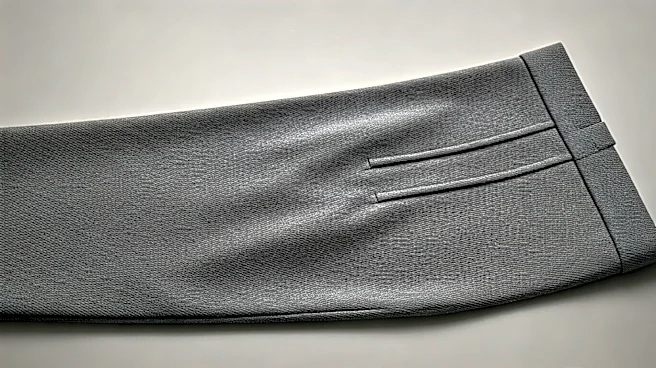
Setting a sleeve is one of the most difficult parts of tailoring. It’s not just about attaching a tube of fabric to a hole; it’s about understanding anatomy and gravity. A well-made coat sleeve is almost always a two-piece construction, which allows it to have a slight, forward-curving shape that mirrors the natural resting position of an arm. More importantly, it’s about the ‘pitch’—the precise angle at which the sleeve is attached to the body of the coat. A skilled tailor sets the sleeve to hang perfectly straight when your arms are at your sides, eliminating twisting and unsightly wrinkles at the elbow and shoulder. This is why when you try on a truly excellent coat, it feels different. It doesn't fight you; it works with you, providing a full range of motion without pulling or bunching across your back.