

The Runway's New Rulebook: Anything Goes
For years, fashion often felt dictated, with specific silhouettes or colors reigning supreme for a season before vanishing. But a significant shift has occurred on the world's most influential runways. Designers like Miuccia Prada have built an empire
on what could be called "ugly chic," masterfully clashing prints, textures, and historical references in a way that feels intelligent and new. At Prada, layering is a form of storytelling—a utilitarian jacket thrown over a delicate silk dress or stockings worn over socks. Similarly, Alessandro Michele's tenure at Gucci was a masterclass in eclectic nostalgia, blending everything from Renaissance motifs to '70s bohemia in a single look. This high-fashion endorsement of a layered, mixed-era aesthetic acts as a green light for consumers. It communicates that personal style isn't about following one trend but about curating a look that is uniquely yours, using pieces from any and every decade.
A Gold Rush for Secondhand Treasures
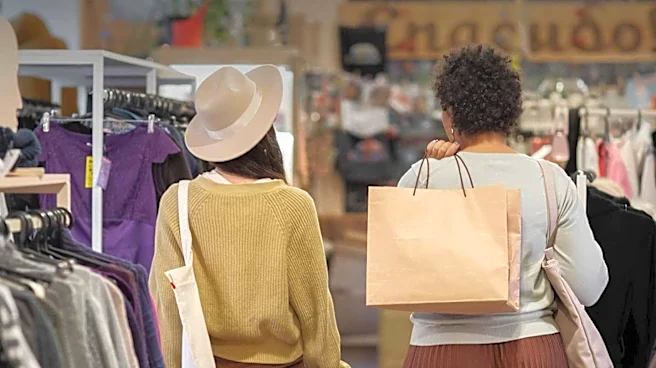
When designers give a nod to the past, the vintage market feels the effect almost immediately. A runway collection that subtly references the oversized blazers of the '80s or the flared denim of the '70s can trigger a focused treasure hunt among shoppers. Suddenly, thrift stores and online resale sites become archives of the next big thing. This dynamic transforms vintage shopping from a niche hobby into a savvy, style-conscious activity. Instead of buying a fast-fashion interpretation, consumers are increasingly seeking the authentic article, valuing the superior craftsmanship and history of original vintage pieces. This surge in interest doesn't just apply to specific items; it elevates the entire secondhand market. It encourages shoppers to see a 1960s mod dress not as a costume, but as a statement piece to be paired with modern sneakers. This approach, blending old and new, has become a hallmark of contemporary style.
More Than a Look, It's a Mindset
The move toward mixing vintage and modern clothing is driven by more than just aesthetics; it's deeply connected to a growing desire for sustainability and individuality. In a world saturated with fast fashion, where trends appear and disappear in weeks, building a wardrobe with vintage pieces is a powerful counter-statement. It champions a slower, more conscious approach to consumption. By re-wearing and repurposing garments that already exist, consumers reduce textile waste and lessen their environmental impact. Simultaneously, this trend is a celebration of personal expression. In a sea of identical mass-produced items, a vintage piece is often one-of-a-kind. It has a story. Integrating it into a modern wardrobe allows you to create a look that no one else has, turning your daily act of getting dressed into a form of creative storytelling.
The Art of the Perfect Mismatch
So, how do you embrace the layered look without appearing as if you got dressed in the dark? The key is to find a common thread. Many stylists suggest grounding your outfit with a neutral color palette, which allows you to mix wilder patterns and textures without creating visual chaos. Another approach is to balance proportions. If you're wearing a voluminous vintage blouse, pair it with sleek, modern trousers. Denim serves as an excellent bridge between eras, effortlessly pairing with both vintage and contemporary pieces. Accessories are also crucial; pairing a vintage dress with modern shoes, or vice versa, can instantly make an outfit feel current and intentional. The goal isn't to perfectly replicate a past era but to use its elements to create something new and personal. It's about finding harmony in the contrast.