




Why Your 'True' Inseam Is a Myth
Most people believe they have a single inseam measurement, but this is a common misconception that leads to poor-fitting pants. The inseam is the length from the crotch seam to the bottom hem, and the ideal length isn't fixed. It changes dramatically
based on the shoes you wear, the cut of the trouser, and the style you want to achieve. A 30-inch inseam might be perfect with sneakers but awkward with heeled boots. People of the same height often have different leg-to-torso ratios, making standard sizing charts a mere starting point, not a definitive rule. By relying on just one number, you limit your wardrobe's potential and miss out on a truly polished look.
The Power of the 'Break'
In tailoring, the 'break' refers to the fold or crease that forms where your pants meet your shoes. Understanding this concept is key to mastering your style. A 'no break' look, where the hem just grazes the top of the shoe, offers a sharp, modern silhouette, perfect for slim-fit trousers and loafers. A 'slight break' is the most versatile option, creating a small, subtle fold that works well for most business and casual settings. A 'full break' involves a more significant fold of fabric and lends a traditional feel, often best suited for wider-leg trousers and formal occasions. Trying two inseams allows you to see which break works best with the pant's design and your personal style.
Putting It Into Practice in the Fitting Room
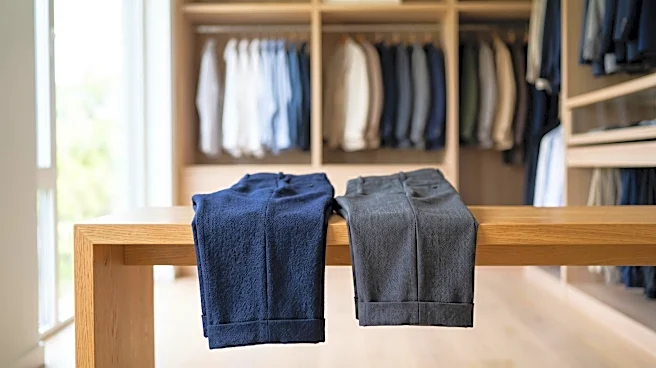
The next time you're shopping for pants, grab your size in two different inseam lengths if available. For example, if you normally wear a 32-inch inseam, try a 30-inch as well. First, try on the shorter inseam. This will likely create a 'no break' or slightly cropped look. This is your chance to see how the pants work for a more contemporary, casual vibe, ideal for pairing with sneakers, flats, or ankle boots. Next, try the longer inseam. This length will probably give you a 'slight' or 'half' break, which is perfect for wearing with dress shoes, heels, or boots where you want a longer, more continuous leg line. Seeing both options side-by-side provides a clear visual comparison and empowers you to make a more intentional choice.
Think About Your Shoe Rotation
The ultimate decision should come down to how you plan to wear the trousers. Before you buy, consider the shoes you'll pair them with most often. If the pants are destined to be worn with heels for work, the longer inseam that covers part of the shoe is likely the better choice. If they are casual chinos for weekend wear with low-profile sneakers, the shorter inseam that sits cleanly above the shoe will look more deliberate. Some stylists even recommend dedicating specific pants to either heels or flats to avoid the common problem of a hem that drags on the ground or sits too high. If a brand doesn't offer multiple inseams, this two-length test can help you decide if the single option available is worth taking to a tailor.
When to Call in a Tailor
Trying two inseams also helps you identify when tailoring is the best path forward. You might find that one inseam is just a little too short and the other is slightly too long. In this case, the best strategy is often to buy the longer pair. A tailor can easily hem them to your exact, perfect length for a surprisingly small investment, a level of precision that off-the-rack clothing can rarely match. This is especially true for wide-leg or bootcut styles, which need to fall correctly to look right. Don't be afraid to buy long and have them customized; it’s the secret to making an affordable pair of pants look like a custom-made garment.