

The Unfiltered Live Experience
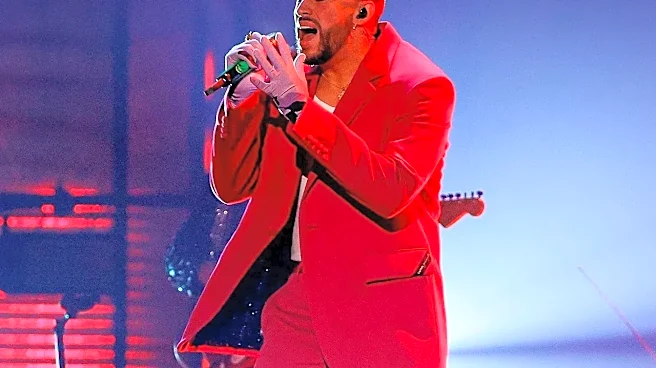
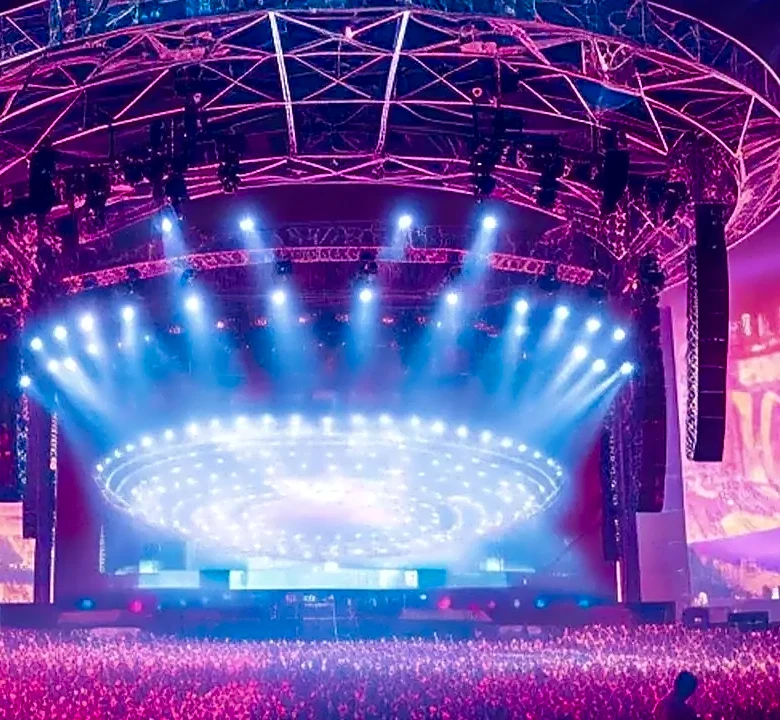
There is nothing quite like the energy of a live music festival. This weekend, on September 18th and 19th, Las Vegas's T-Mobile Arena will host a dizzying array of stars, from the global phenomenon BTS to superstars like Cardi B and rock legends Muse
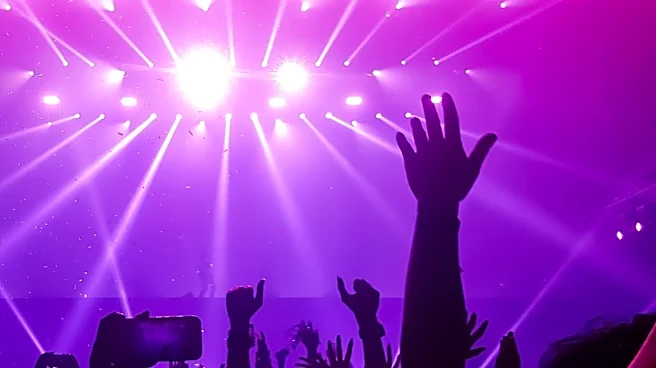
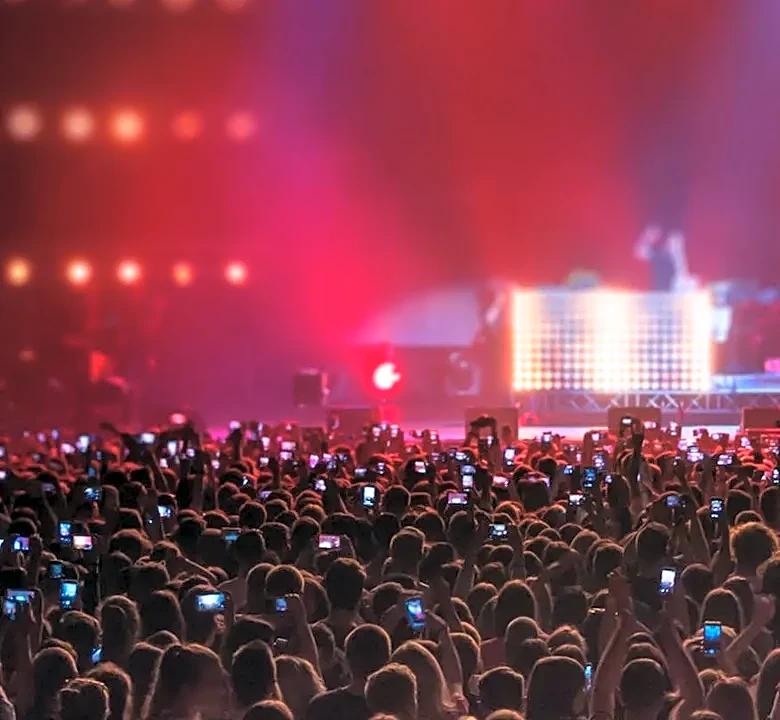
and The Smashing Pumpkins. Whether you’re in the crowd feeling the bass in your chest or watching the livestream from home via Disney+ or Hulu, you are part of a shared, chaotic, and beautifully imperfect moment. It’s the spontaneous crowd singalong, the unexpected feedback squeal, the ad-libbed joke from a performer, or the quirky dance move that never makes the highlight reel. This is your memory: visceral, personal, and authentic. It’s the version of the show that belongs entirely to you and the thousands of others experiencing it in real-time.
The Official Version, Remastered
Come Monday morning, you’ll likely see your social media feeds flooded with official clips. YouTube will feature “stunning” performances, and iHeartRadio itself will push out perfectly packaged recaps. This is the second life of the festival, and it’s a different beast altogether. That gritty, three-and-a-half-minute rock anthem you loved might now be a clean, two-minute clip optimized for virality. A slightly off-key note from a singer might be subtly corrected with pitch-correction software. The camera will no longer be on a random fan having the time of their life but will cut perfectly between a dramatic wide shot of the stage and a tight closeup of the artist. These moments are engineered for maximum impact and shareability. They are less a reflection of what happened and more a construction of what the broadcaster wants you to remember.
Behind the Curtain of Curation
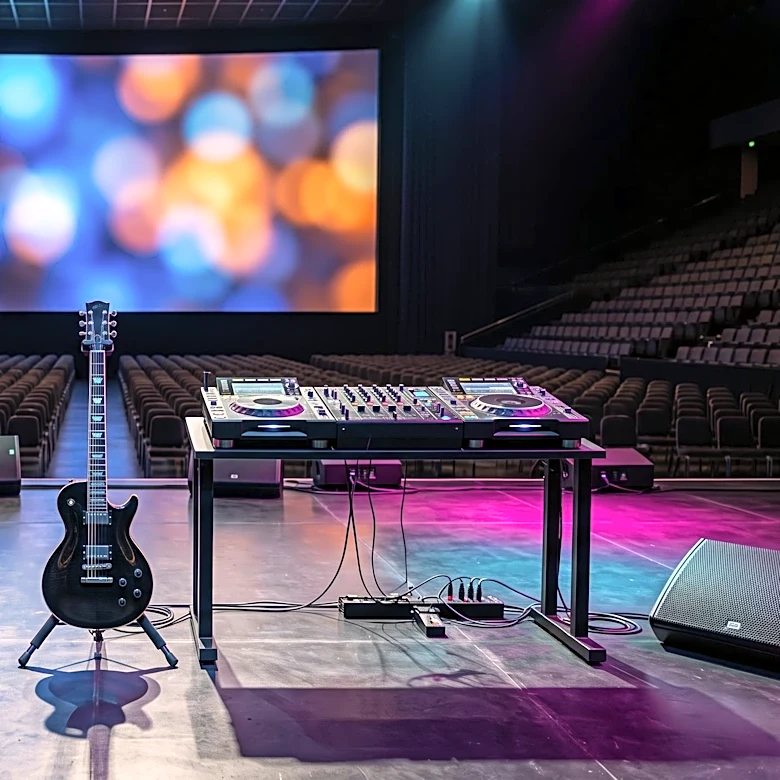
So, why does your memory get a makeover? It’s not necessarily a conspiracy to deceive you. It’s the result of a massive, complex production machine. Live television and streaming directors are making split-second decisions, calling camera shots based on prepared notes and the flow of the performance. But after the live feed ends, a new process begins. Post-production editors step in to create a cleaner, tighter narrative. They might remove a clunky stage transition to save time or cut a less popular song to make room for a bigger hit in a televised special. Sometimes, audio from a different take or even a rehearsal is blended in to fix a technical glitch. It’s also about rights and clearances; a spontaneous cover of another artist’s song might get snipped for legal reasons. The goal is to create a flawless, evergreen asset that represents the artists and the iHeartRadio brand in the best possible light.
When Your Memory Meets the Media
This leads to a fascinating modern dilemma: which version is the 'real' one? Is it your flawed, personal memory of the event, or the polished, widely distributed official clip? Psychologically, the repetition of the official version can slowly overwrite our own recollections. The slickly edited video becomes the definitive record, the historical document of the performance. The raw energy you felt gets replaced by a smoother, more produced feeling. It’s the difference between telling a story about a wild party and showing the curated photo album afterward. One is the experience; the other is the evidence. Neither is dishonest, but they aren't the same thing. The iHeartRadio Music Festival is designed as a massive content engine, built to be consumed live and then repackaged for weeks to come.