







The Psychological Anchor
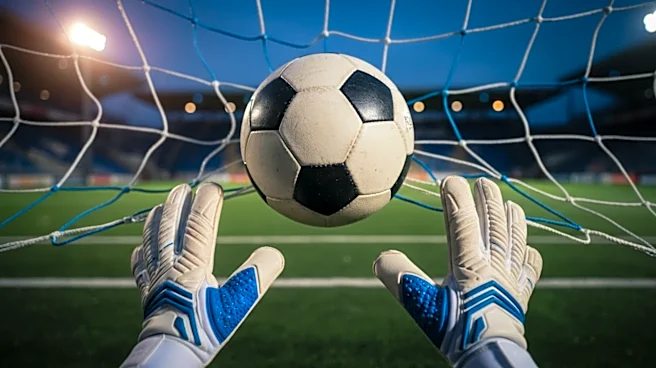
A goalkeeper’s most important job isn’t physical; it’s psychological. For a team that knows it's outmatched on paper, the presence of an elite keeper is a monumental confidence boost. That belief radiates outward. Defenders play with more assurance, knowing
that a minor mistake won't automatically end in a goal. A keeper who commands their penalty area with unshakable calm transmits that stability to the entire squad. Look at Yassine Bounou during Morocco's historic run to the 2022 World Cup semifinals. His calm demeanor, punctuated by timely, brilliant saves, transformed a solid defensive unit into an unbreakable wall. Morocco conceded only one goal (an own goal) before the semis. That doesn't happen just because of good tackling; it happens because the entire team believes their last line of defense is impenetrable, allowing them to play with a courageous discipline that frustrates powerhouse opponents.
The On-Field Organizer
From their unique vantage point, goalkeepers see the entire field of play unfold. For a dark horse team, which often spends long periods defending, the keeper becomes the de facto defensive coordinator. They are constantly shouting instructions, organizing the defensive line, and directing midfielders to cover passing lanes. This communication is vital. Underdog teams thrive on structure and frustrating their more talented opponents. A keeper who can read the game and arrange the pieces in front of them effectively prevents scoring chances from ever materializing. They are not just reacting to shots; they are proactively managing the defensive shape of the team. This turns a collection of determined players into a cohesive, organized unit that is incredibly difficult to break down, squeezing space and forcing opponents into low-percentage shots.
The Ultimate Equalizer
Ultimately, the most visible impact comes down to making the saves nobody expects. Elite attackers for top nations are paid millions to be clinical finishers. A world-class keeper is the ultimate equalizer, an eraser of that talent gap. They are the player who can, two or three times a game, pull off a save that defies physics and logic. These moments are more than just statistics; they are massive momentum shifts. The most iconic example remains Keylor Navas for Costa Rica at the 2014 World Cup. Placed in a group with three former champions—Uruguay, Italy, and England—Costa Rica was given zero chance. But Navas was a human highlight reel, finishing the tournament with a staggering 91% save percentage and conceding just twice in over 500 minutes of open play. His performance in the penalty shootout against Greece, where he made a crucial save, sent his country to the quarterfinals for the first time ever. That’s how a keeper makes a dark horse real: by single-handedly stealing results.
Launching the Counter-Attack
A great keeper's job doesn't end with a save. For an underdog team that soaks up pressure, the goalkeeper is often the first point of attack. A quick, decisive throw or a long, accurate kick can instantly turn a desperate defensive situation into a dangerous counter-attack. A keeper who can distribute the ball intelligently and swiftly is a massive tactical weapon. Instead of just clearing the ball aimlessly upfield and inviting another wave of pressure, they can bypass the opponent's midfield and find an open forward, giving their own defenders a much-needed breather and putting the favored team on their back foot. This ability to transition from defense to offense in a split second is a hallmark of modern goalkeeping and a critical tool for any team looking to punch above its weight.