




The Future We Were Promised: Sleek and Minimal
In the years leading up to the new millennium, the fashion world was forecasting a very different look. The future, as seen on high-fashion runways, was supposed to be minimalist, utilitarian, and intellectual. Designers like Helmut Lang and Prada championed
a stark, androgynous aesthetic with clean lines, sharp tailoring, and a palette of black, white, and gray. This vision was deeply influenced by technology, but in a cold, almost dystopian way. It was a future of sleek surfaces, high-tech fabrics, and a certain urban uniformity, a direct reaction against the excesses of the 1980s and the grunge of the early '90s. The vibe was less pop star, more stylish hacker from "The Matrix."
A Millennium Bug in the System
So what changed? In a word: anxiety. The widespread panic over the “Y2K bug”—the fear that computers wouldn't be able to handle the date change to 2000, causing global chaos—had a paradoxical effect on culture. While high fashion was embracing a sleek, machine-like future, the general public was growing wary of it. That cold, technological aesthetic suddenly felt less like an exciting new world and more like a threat. This created a cultural opening for something warmer, more human, and even a little messy. The sterile, minimalist future started to look boring compared to a more colorful, expressive alternative.
The Pop Culture Explosion
At the exact moment that faith in a sterile, tech-driven future was wavering, pop culture exploded with a new kind of energy. The late '90s saw the rise of MTV's TRL, where music videos became the ultimate fashion show. Pop icons like Britney Spears, Christina Aguilera, and Destiny's Child became the world's most influential style leaders. Their looks weren't about minimalist theory; they were about accessible, unapologetic fun. We’re talking low-rise jeans, baby tees, rhinestones, and coordinated group outfits. This was a democratic, celebrity-driven style that had more in common with exuberant pop art than it did with the severe chic of the runways. It was bright, bold, and designed to be seen.
The Mashup We Actually Got
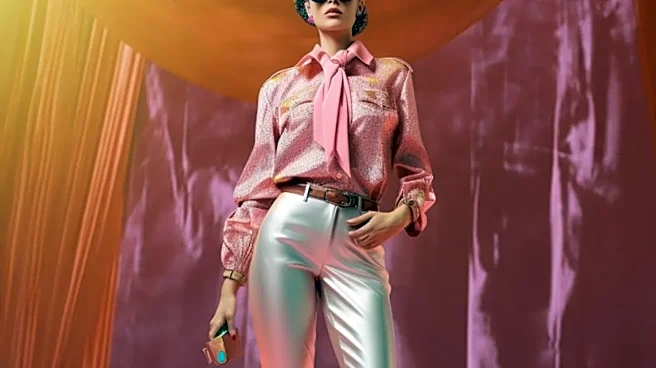
The Y2K fashion we now remember is a chaotic and fascinating collision of these two opposing forces. It wasn't purely the minimalist future or the bubblegum pop present; it was a blend. The futuristic vision survived in the form of metallic fabrics, silver eyeshadow, tech-inspired accessories like shield sunglasses, and a general fascination with anything that looked shiny or new. But it was filtered through the lens of pop-culture maximalism. This is how we ended up with the eclectic mix of sparkly tracksuits, chunky sneakers, butterfly clips, and low-slung jeans that defined the era. It was a style that captured the spirit of the moment perfectly: a little bit of optimism about the digital future, a little bit of rebellion against it, and a whole lot of celebrity worship.