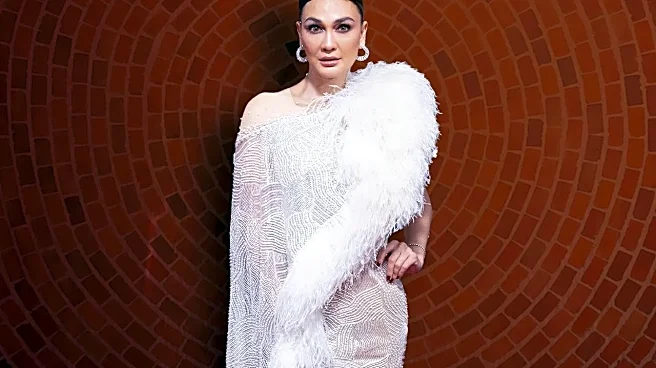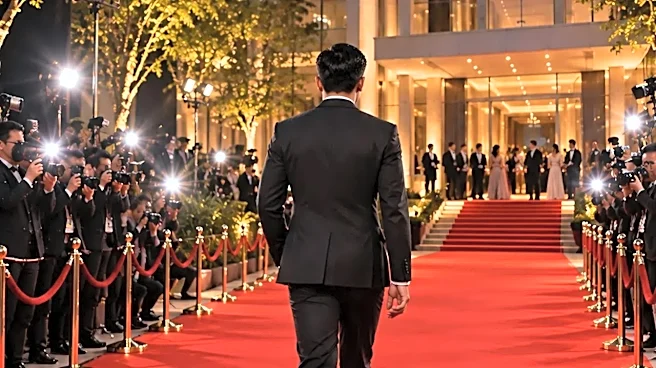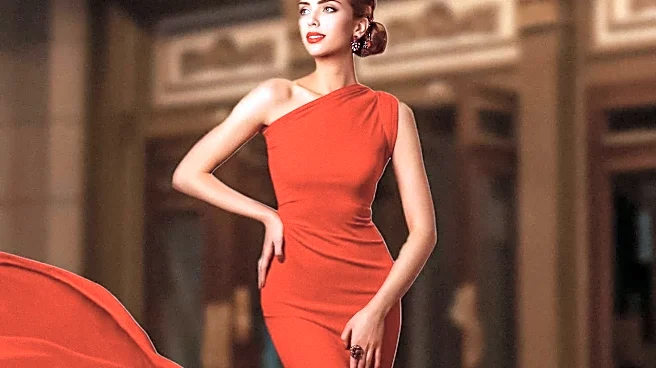



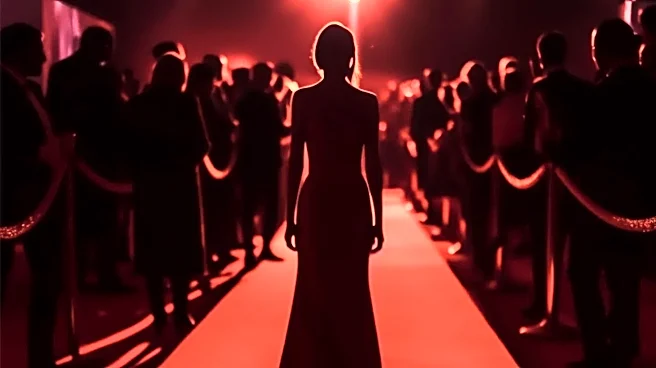



Ever wonder how a celebrity’s floor-length gown glides so perfectly down the red carpet, seemingly immune to gusts of wind or static cling? The secret is a tiny, hidden detail that speaks volumes about the artistry of couture fashion.
Fashion’s Unsung Hero
The magic lies in
something deceptively simple: hem weights. A time-honored technique in high-end dressmaking, these weights are strategically sewn into the bottom edge of a garment to give it substance and control. Whether it’s a delicate silk chiffon that wants to fly away or a slinky satin that could cling unflatteringly, a little bit of weight provides the grounding force needed for a perfect drape. This isn't about adding heavy, cumbersome metal; it's a subtle art. The goal is to ensure the fabric hangs exactly as the designer intended, creating a clean, elongated silhouette that moves with grace rather than chaos. Famous couturiers have used this trick for decades, from the signature chains in Chanel jackets to the discreet weights in Queen Elizabeth II's skirts to prevent any royal wardrobe malfunctions.
More Than Just Gravity
While preventing a 'Marilyn Monroe moment' is a key benefit, the function of hem weights goes far beyond fighting the wind. They add a crucial element of 'swing' and 'follow-through' to the fabric. As the wearer walks, the weighted hem creates a pendulum effect, allowing the skirt to trail beautifully and settle perfectly when they stop to pose for photographs. This controlled movement is essential on the red carpet, where every step is scrutinized. It prevents the fabric from bunching at the ankles or getting caught under a heel. Instead, the dress appears to float and glide, becoming an active part of the wearer's grand entrance. It’s the difference between a dress that is simply worn and a dress that performs.
The Tools of the Trade
Not all hem weights are created equal. The type used depends on the fabric and the desired effect. For decades, the standard has been small, lead-based weights, similar to those used in drapery, which are either individually sewn in or encased in a fabric-covered cord. For a more distributed weight, especially in the iconic Chanel-style jacket, a delicate metal chain is meticulously hand-stitched into the lining. The craftsmanship is paramount; the weights must be completely invisible and not create any bumps or pulls on the outside of the garment. For the everyday fashion enthusiast, modern, non-sew options have become available, including small, reusable weights with a fabric-safe adhesive that can be stuck onto the inside of a hem for a temporary fix.
The Art of the Drape
Ultimately, the use of hem weights is a testament to the fact that luxury fashion is an art of engineering as much as it is an art of aesthetics. A designer's vision for how a gown should look isn't just about its color or silhouette when standing still; it's about how it comes to life through movement. The drape—the way fabric falls and folds—is everything. By adding a small, calculated amount of weight, a seamstress or tailor can control the physics of the garment, ensuring that a lightweight fabric has presence and a heavier fabric falls smoothly. This attention to detail is what separates a standard dress from a piece of couture. It’s a quiet, invisible collaborator in creating some of fashion's most iconic and unforgettable moments.