



The MCU Is Now The Old Testament
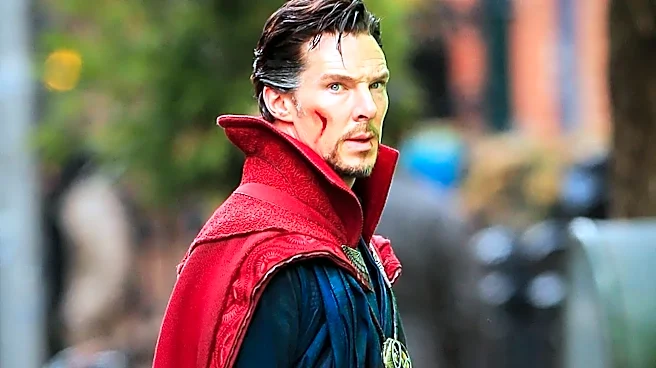
For fans under 25, a standalone superhero origin story feels like a relic. Their entire fan-life has been shaped by the Marvel Cinematic Universe, a sprawling, interconnected narrative that became the new normal. At NYCC panels for upcoming shows like 'VisionQuest'
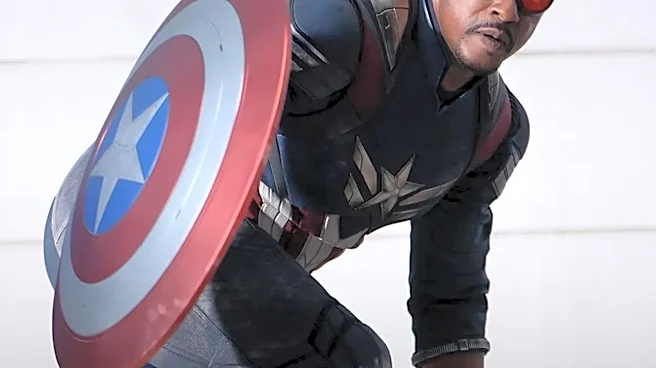
and the new season of 'X-Men '97', the questions from younger attendees weren’t about individual hero journeys, but about cosmic implications and multiverse connections. This is the first generation that doesn't remember a time before massive cinematic crossovers. As a result, their expectation isn't for a single, perfect hero, but for a vast, ever-expanding roster of flawed, complex characters who exist in a constant state of narrative flux. The classic, self-contained hero's journey that defined characters for Gen X and Millennial fans is now just the backstory.
Brand Loyalty Is Over
In decades past, you were a “Marvel person” or a “DC person.” That binary has all but collapsed. On the convention floor and in Artist Alley, the longest lines are often for creators of indie hits. Series like 'Something is Killing the Children' and 'Dungeon Crawler Carl' generate as much, if not more, organic buzz than the legacy publishers. This trend signals a major change: younger fans have allegiance to compelling characters and innovative storytellers, not to a corporate logo. They grew up with endless content options, from webcomics to manga, making them discerning consumers. If a story is good, they’ll embrace it, whether it’s from a massive studio or a creator-owned upstart. The idea of brand loyalty in a fragmented media landscape seems antiquated to them.
Anime and Gaming Are the New Blueprint
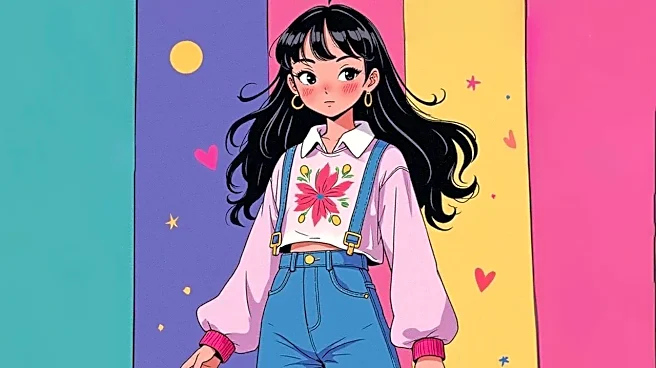
The aesthetic of modern fandom is being powerfully reshaped by anime and gaming. Cosplay trends at NYCC tell the story: while traditional superheroes are present, they are often variant versions with Japanese-inspired designs or cyberpunk stylings. Meanwhile, characters from franchises like 'One Piece' and various RPGs are everywhere, showcasing intricate designs and a different narrative sensibility. This influence goes beyond looks. Younger fans, raised on the complex, morally gray, and slow-burn storytelling of popular anime, are bringing those expectations to Western comics. They are more patient with long-form stories and more interested in characters with ambiguous morality than the classic good-versus-evil dichotomy that defined older American superhero tales.
Representation Is the Price of Admission
For older generations of fans, diversity was often a talking point or a welcome bonus. For Gen Z, it's the absolute baseline. Panels focusing on characters like Miles Morales and Kamala Khan, or discussions about the future of diverse heroes in the Spider-Man universe, are packed and passionate. This isn't about tokenism; it’s about authenticity and seeing a world of heroes that reflects the actual world they live in. They're not just asking for more diverse faces; they demand that these characters have meaningful stories, agency, and cultural specificity. Any franchise or publisher that fails to deliver on this front is seen as out of touch and irrelevant. For this generation, a superhero universe that isn't inclusive isn't just flawed—it's boring.