

From Basement to Ballroom
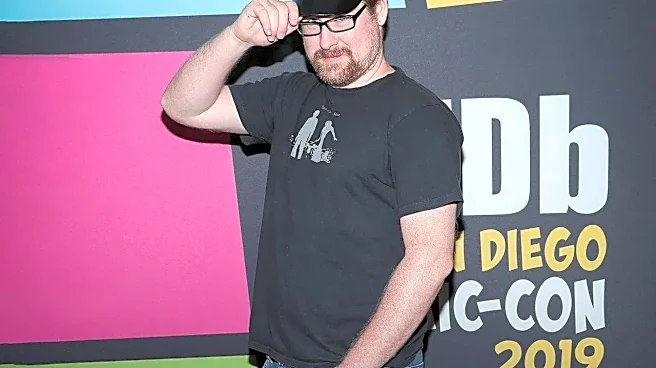
The first San Diego Comic-Con—then called the Golden State Comic-Con—was a world away from the sprawling event it is today. Organized by a small group of passionate fans, it was an intimate affair for comic book collectors and science fiction readers
to meet, trade, and share their love for the medium. For years, it remained a niche convention, moving between various San Diego hotels and community centers through the 70s and 80s. The focus was squarely on the art and literature of comics. Even from the beginning, founders envisioned including films and science fiction, but the vibe was communal, not corporate. It was a space where liking comic books wasn't just accepted; it was the entire point.
Hollywood Discovers a Captive Audience
The dynamic began to shift as Hollywood started to notice the passion brewing in San Diego. The rise of blockbuster superhero films in the late 1990s and early 2000s, like "X-Men" and Sam Raimi's "Spider-Man," showed there was a massive, untapped audience for these stories. Studios realized Comic-Con wasn't just a gathering of fans; it was the most concentrated and influential group of tastemakers on the planet. They started bringing exclusive clips and making surprise announcements, turning the convention into a powerful marketing launchpad. This marked the beginning of a transformation from a fan-centric hobbyist convention into a crucial stop on the Hollywood promotional circuit.
The Hall H Effect
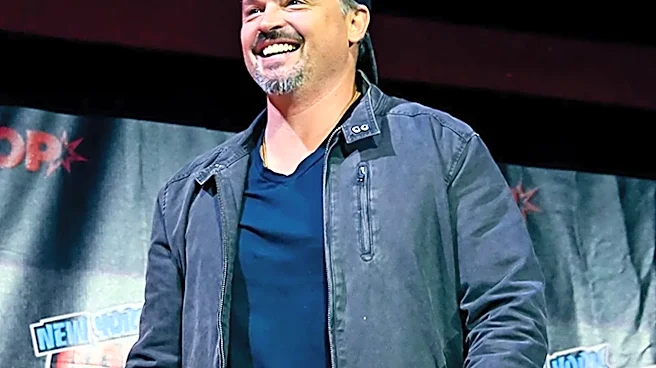
Now legendary, Hall H is the epicenter of this shift. The 6,500-seat auditorium became the stage where careers are made and franchises are born. Studios began a tradition of bringing their biggest stars and most anticipated footage for splashy presentations. The 2007 panel for "Iron Man," where Robert Downey Jr. and Jon Favreau debuted the first footage from the high-risk film, is often cited as a turning point. The ecstatic reaction proved that winning over Hall H could generate global buzz. Suddenly, spending days camping in line for a seat became a rite of passage for dedicated fans, and the announcements made within those walls dominated entertainment news for the entire year.
Fandom Gets a Promotion
Comic-Con didn't just give Hollywood a stage; it gave fans a voice. For the first time, audiences had a direct line to the creators and stars behind their favorite properties. Panels and Q&A sessions created a feedback loop where fan enthusiasm could directly influence studio decisions. This two-way street empowered the community, turning them from passive consumers into an active constituency to be courted. This new dynamic also elevated fan creativity. Cosplay, once a quirky side activity, evolved into a celebrated art form, with participants spending months on elaborate costumes. Fandom was no longer something to be hidden; it was an identity to be performed and celebrated on a massive scale.
The Con That Ate the Culture
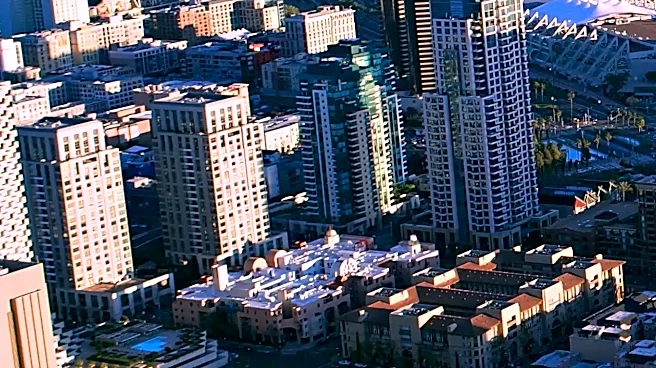
The influence of Comic-Con now extends far beyond the San Diego Convention Center. It created a blueprint for modern fan conventions around the world and established a year-round news cycle for pop culture. The event proved that "geek culture" was not a niche but a powerful market force, accelerating the mainstream acceptance of superheroes, fantasy, and sci-fi. Major television networks, video game companies, and toy manufacturers followed the movie studios, making Comic-Con a multi-billion-dollar nexus of entertainment commerce. It became the place where the entire pop culture landscape is previewed and defined, proving that a small group of fans in a basement really could change the world.